Rewild My School
Wild Gardening, Outdoor Learning, and Ecological Repair
Bring learning, wellbeing, and biodiversity to your school grounds. Tended Earth partners with Melbourne public high schools to co-create biodiverse gardens that nurture students, staff, and the natural world. Through hands-on “wild gardening” activities, students explore, care for, and learn from living landscapes — strengthening connections with each other and the land.
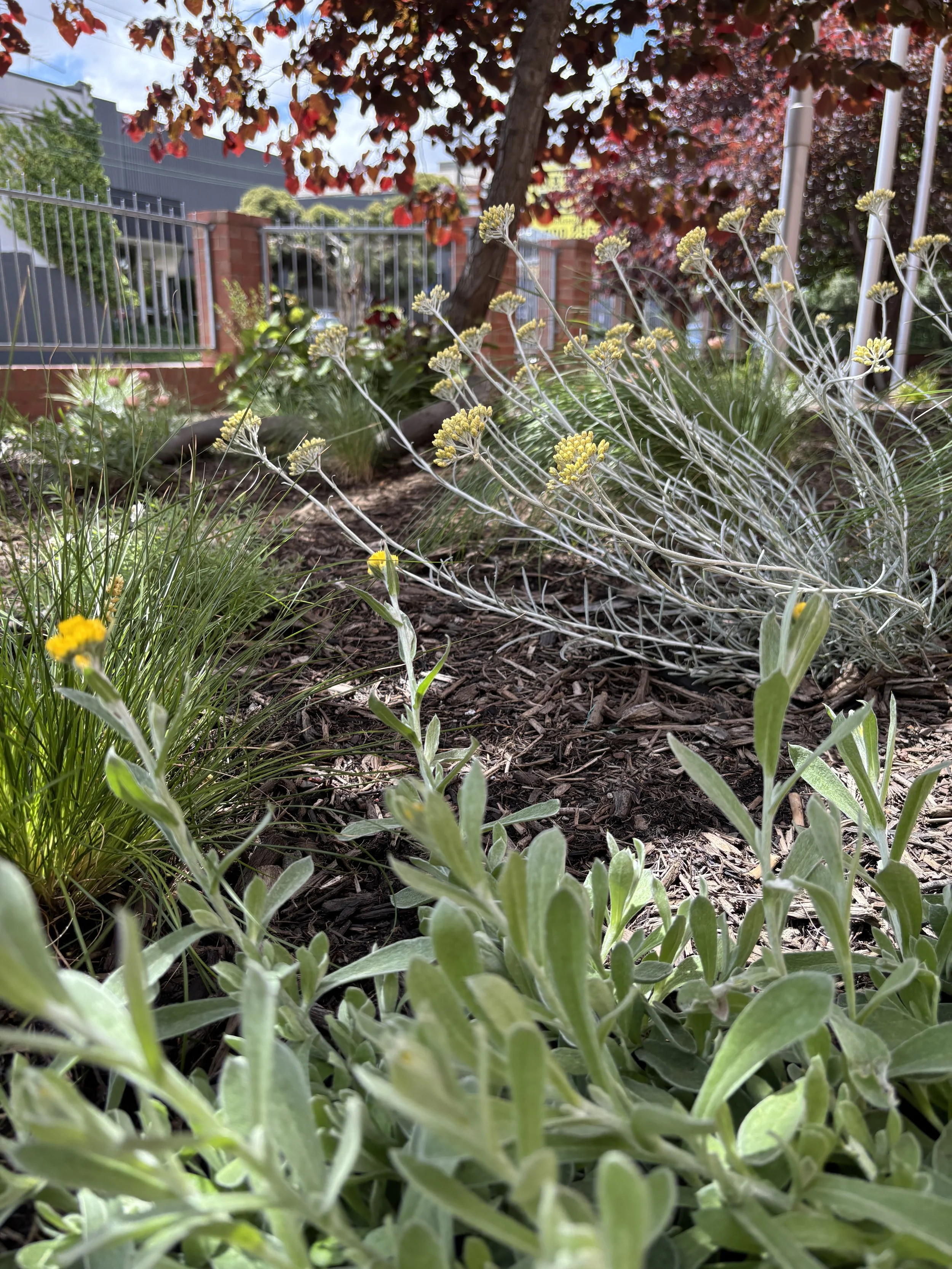
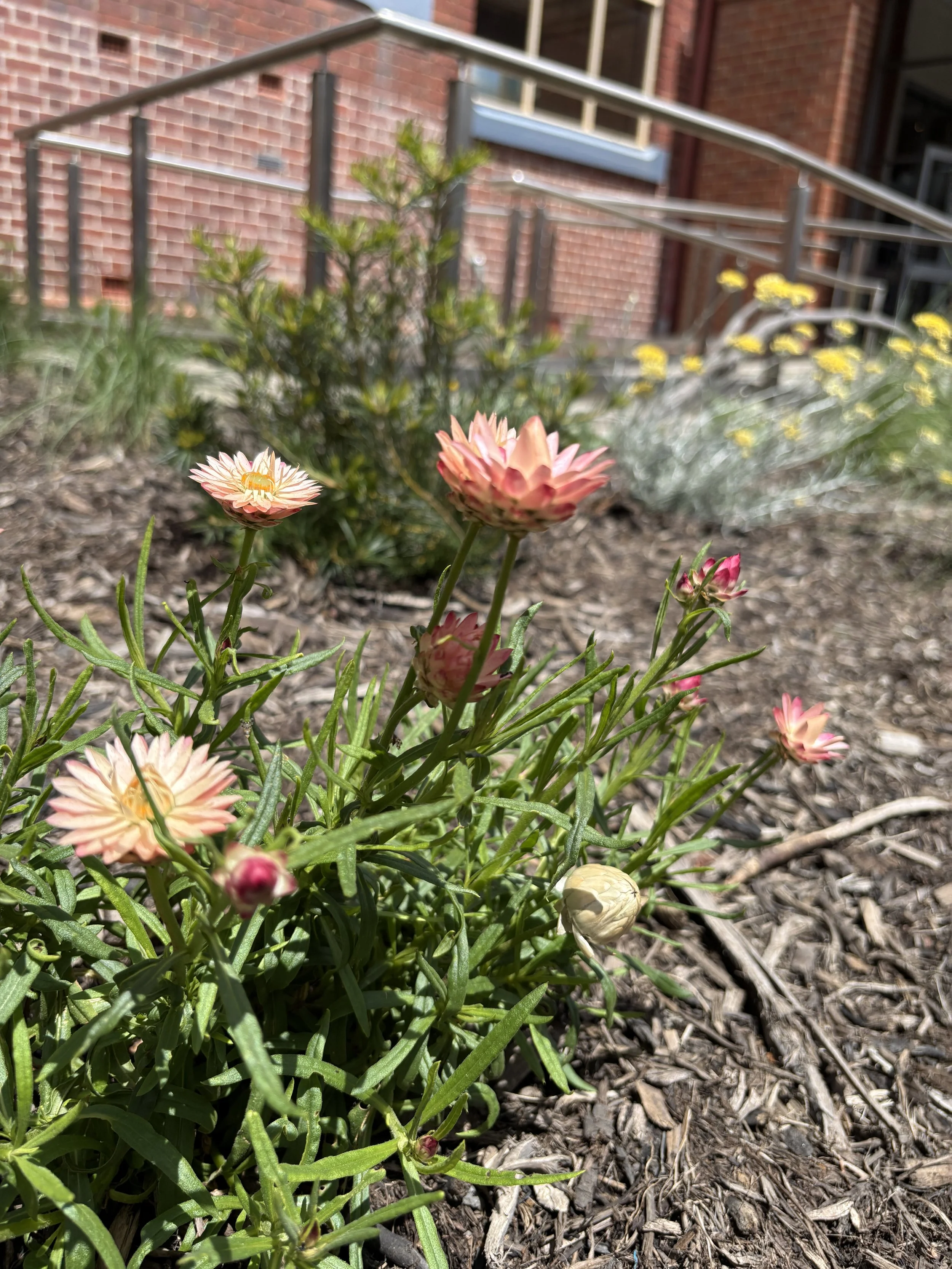
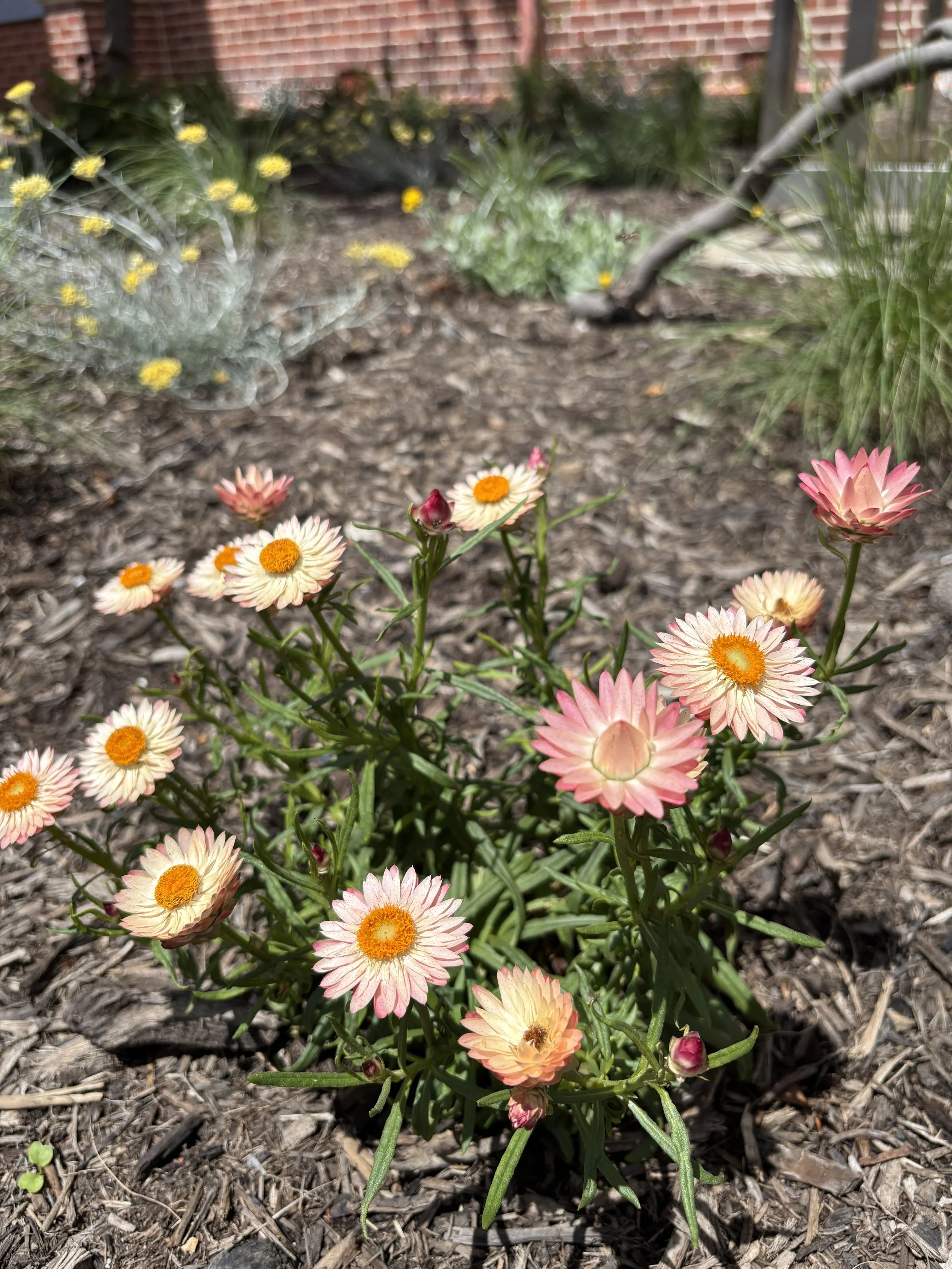
High School Rewilding
Case Study
Key Benefits
Hands-On Learning – Students develop practical skills and engage in inquiry-based, experiential learning.
Biodiversity & Habitat – School wild gardens support biodiversity, attract wildlife, and build ecological repair and resilience.
Wellbeing & Connection – Restorative outdoor spaces foster teamwork, belonging, and student wellbeing.
Community & Stewardship – Inclusive wild gardens strengthen school communities, encourage student leadership, and cultivate care for the land.
Curriculum Connections
Wild gardens are living outdoor classrooms where students engage in hands-on, place-based learning across areas including Science, Maths, Geography, Sustainability, Design, and Wellbeing. Learning experiences can be tailored to different year levels and integrated into applied learning and vocational pathways.
Wild Gardening Activities
“Wild Gardening” activities are hands-on, place-based, and shaped by each school landscape. Students participate in meaningful, real-world projects that build skills, curiosity, and care for the natural world.
-
Students plan, plant, and care for biodiverse gardens while developing practical horticultural skills.
-
Activities include creating habitat for local fauna, supporting pollinators, and observing ecological change over time.
-
Students collect seed, test germination, and explore how wild gardens sustain themselves.
-
Activities can support inquiry learning, applied learning, and VCE Vocational Major programs.
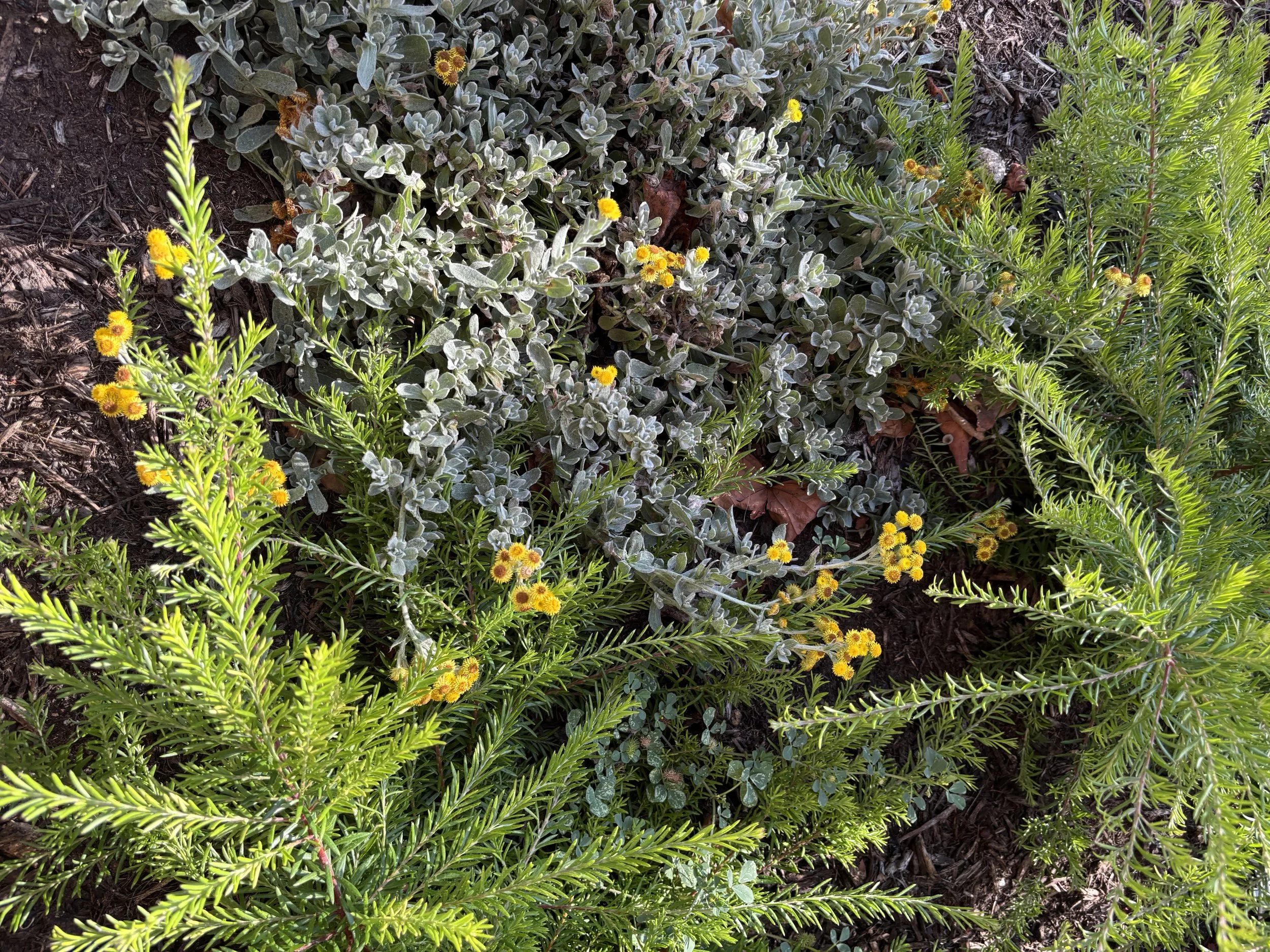
How it Works
-
Tended Earth will visit your school to explore potential spaces for wild gardens. Together, we discuss goals, biodiversity opportunities, and how gardens can support student learning, wellbeing, and ecological restoration.
-
Following the initial on-site consultation and confirmation by school leadership, Tended Earth will develop a tailored Rewild My School Program Proposal for your school.
This proposal outlines site and plant selection, habitat features, hands-on learning activities, and intended learning outcomes, including alignment with the school curriculum.
For details on costs, see below.
-
Students, staff, and families engage directly with the gardens through activities such as:
Community planting days
Seed collecting and germination studies
In-fill planting to boost biodiversity and ecological resilience
Creating habitat for pollinators and local fauna
Monitoring biodiversity and recording ecological change
Activities are linked to curriculum outcomes. They can also be tailored for applied learning and VCE Vocational Major students.
-
Tended Earth provides guidance and support to help schools maintain their gardens long-term. Students continue to monitor, care for, and learn from the spaces they helped create.
Program Costs
The cost of implementing the Rewild My School program depends on the size and condition of the selected garden site(s) and the intended learning outcomes. These factors are explored in an initial on-site consultation and used to develop a tailored Rewild My School Proposal for your high school.
Each Proposal provides an overview of the program, details of site and plant selections, methods of community engagement, intended outcomes, and an estimate of implementation costs.
Indicative costs:
Proposal development: ~$2,000–$2,500
Program delivery: varies depending on site size, planting scope, and learning activities (final costs confirmed in the Proposal)
Grant funding note: Program Proposals can be used to apply for funding
Philanthropic Support & Grants
Tended Earth is seeking philanthropic support to ensure every public high school has the opportunity to create a wild, restorative garden — designed and co-created for, and with, its school community.
By supporting Rewild My School, donors and grant-makers help bring:
Hands-on learning opportunities for students
Biodiversity and habitat creation on school grounds
Restorative, inclusive outdoor spaces that benefit students, staff, and the wider community
Curriculum-linked experiences that connect students to nature and ecological stewardship
Program Proposals developed for schools can also be used to apply for grant funding, ensuring philanthropic support reaches the schools and students who will benefit most.
Victorian Government Schools are eligible to apply for the following grants -
Frequently Asked Questions
Extra Information
-
Wild gardens can be used for science (life cycles, ecosystems, climate), humanities (place-based learning), art, maths, and wellbeing sessions.
-
Wild gardens provide food, shelter, and nesting opportunities for urban wildlife including insects, small birds, beneficial pollinators, and native skinks.
-
Our wild gardens are designed to maximise resilience through multi-layered plantings with optimal mulch depth. Each garden includes hardy plants that are well-suited to Melbourne’s climate. Once established, these plants will cope well with heat and require minimal watering. Watering and maintenance advice is provided to guide schools with caring for their wild gardens while plants establish. Holiday watering rosters with parent volunteers can be coordinated upon request.
-
Rewild My School is designed to complement what schools already do. Wild gardens can support wellbeing programs, nature-play initiatives, STEAM learning, biodiversity studies, and curriculum-linked outdoor activities. Rewild my School can be tailored to align with your school’s top priorities.
-
Tended Earth’s approach is designed to avoid overloading staff. Before planting day, we need a point of contact for scheduling and approvals. After planting, ongoing care can be shared across staff, students, and parent volunteers.
-
We can ensure paths, planting heights, and activity stations are accessible for students with mobility, sensory, or learning needs. Schools can use wild gardens as inclusive outdoor learning spaces.
-
Yes! Many Melbourne school grounds include hard surfaces or difficult soil conditions. We can revitalise compacted soil, create raised beds, or introduce new pockets of gardens. Small spaces, fence lines, or under-used corners can still become biodiverse wild spaces.
-
Absolutely! Many schools begin with a single pocket garden and gradually extend, connecting wild areas to create small habitat corridors.
-
Within 6–10 weeks you’ll see clear growth. By 6–12 months, most wild gardens develop strong structure and visible biodiversity. Plant species used for Rewild my School generally establish quickly and thrive with minimal intervention.
-
Yes! Schools can form “Wild Garden Crews”, or wellbeing groups responsible for small seasonal tasks. These roles build responsibility, teamwork, and pride within the school community.