Planting layers of a wild garden
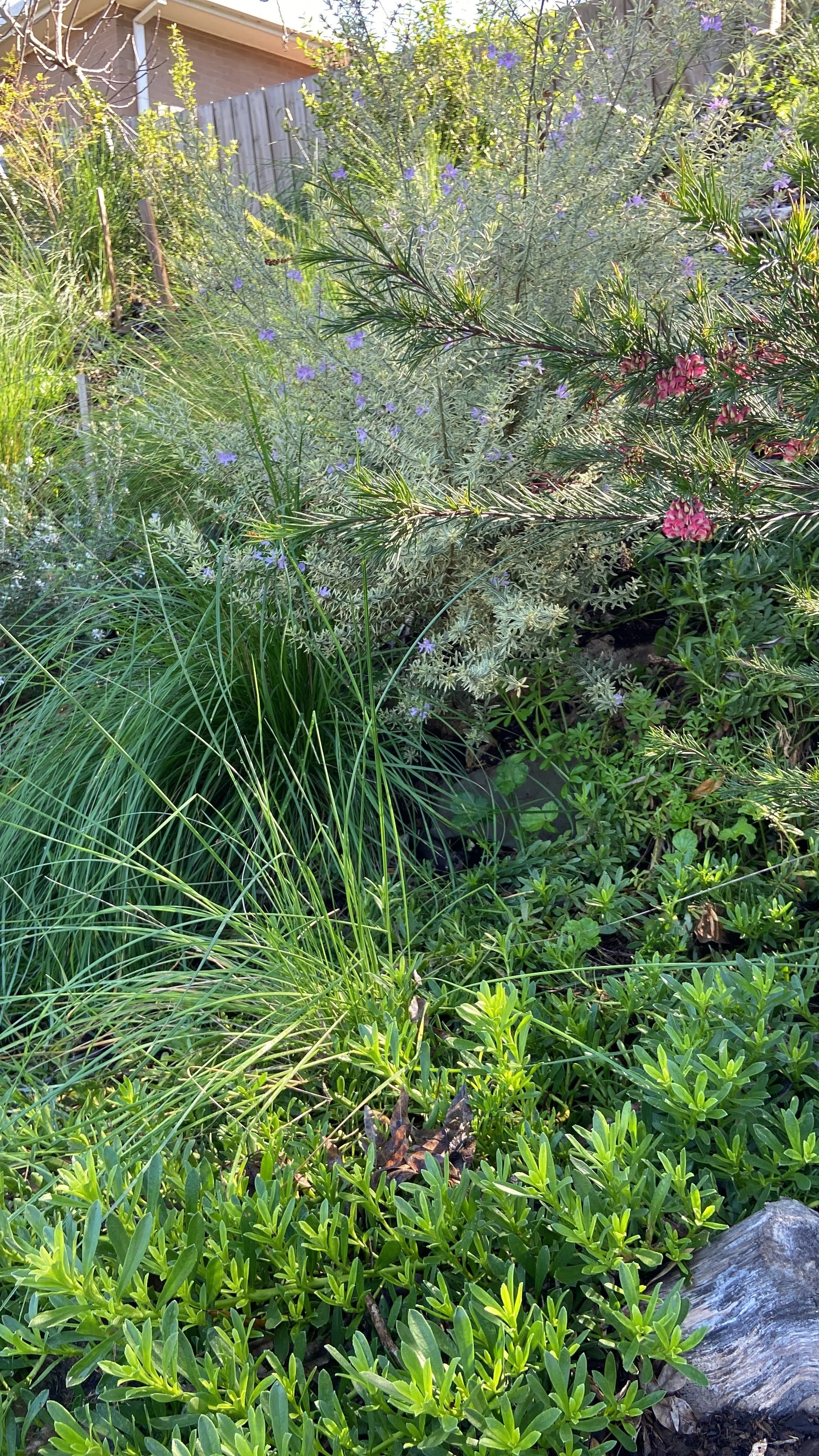
A healthy wild garden is multi-layered, creating:
rich biodiversity
habitat for insects, birds, and other wildlife
year-round flowers for food & colour
natural weed suppression
cooling shade and sheltered microclimates
beauty and seasonal change
greater resilience and ecological health
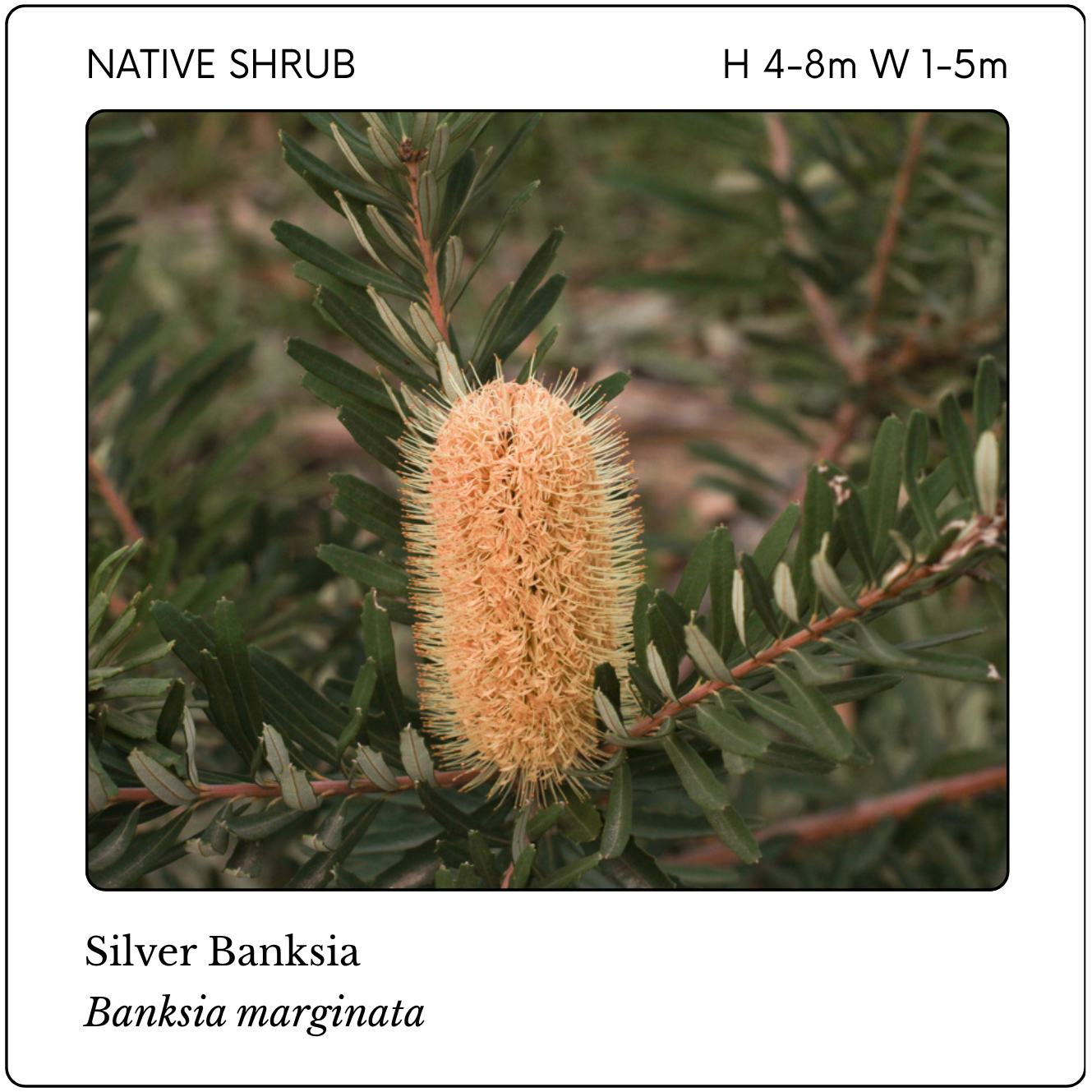
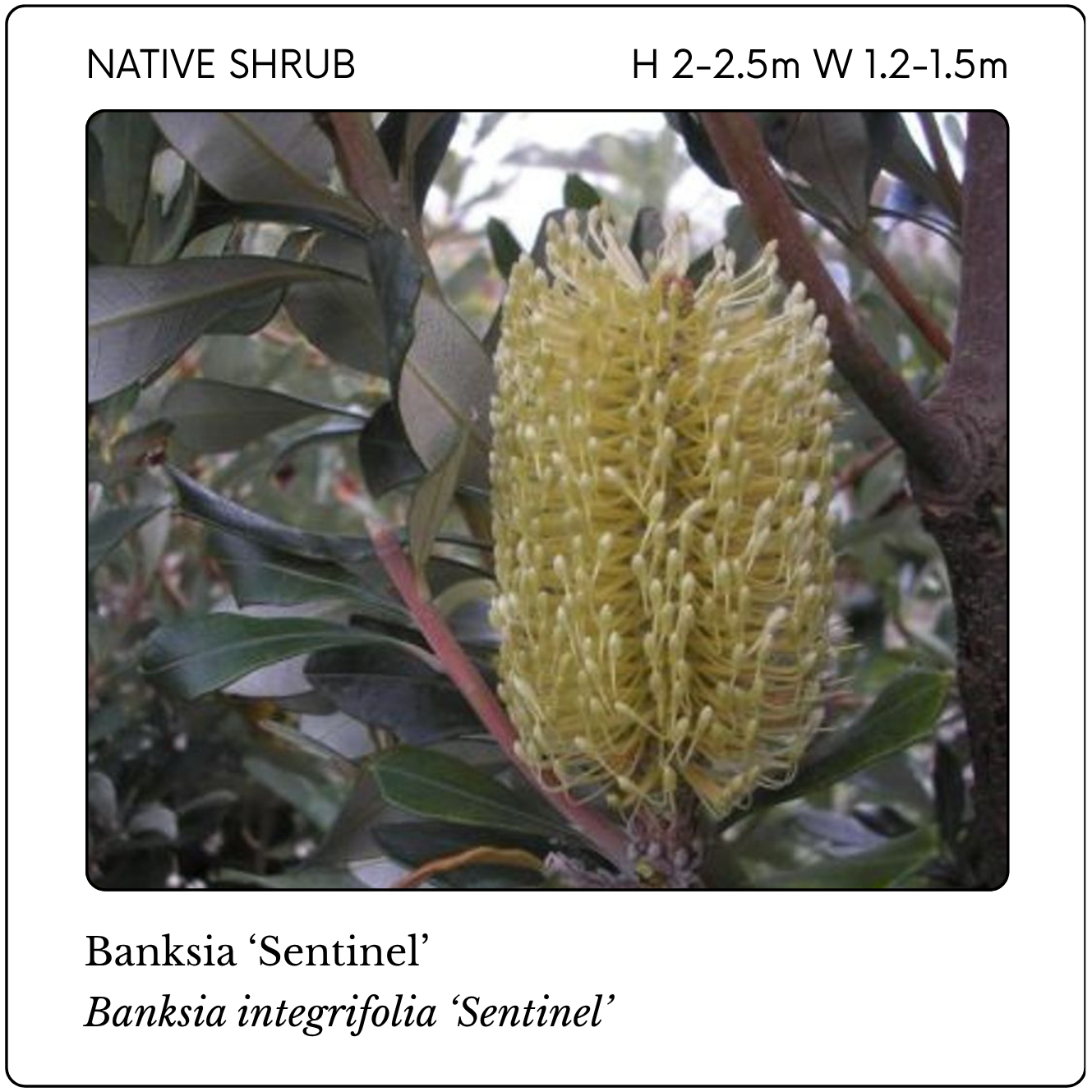
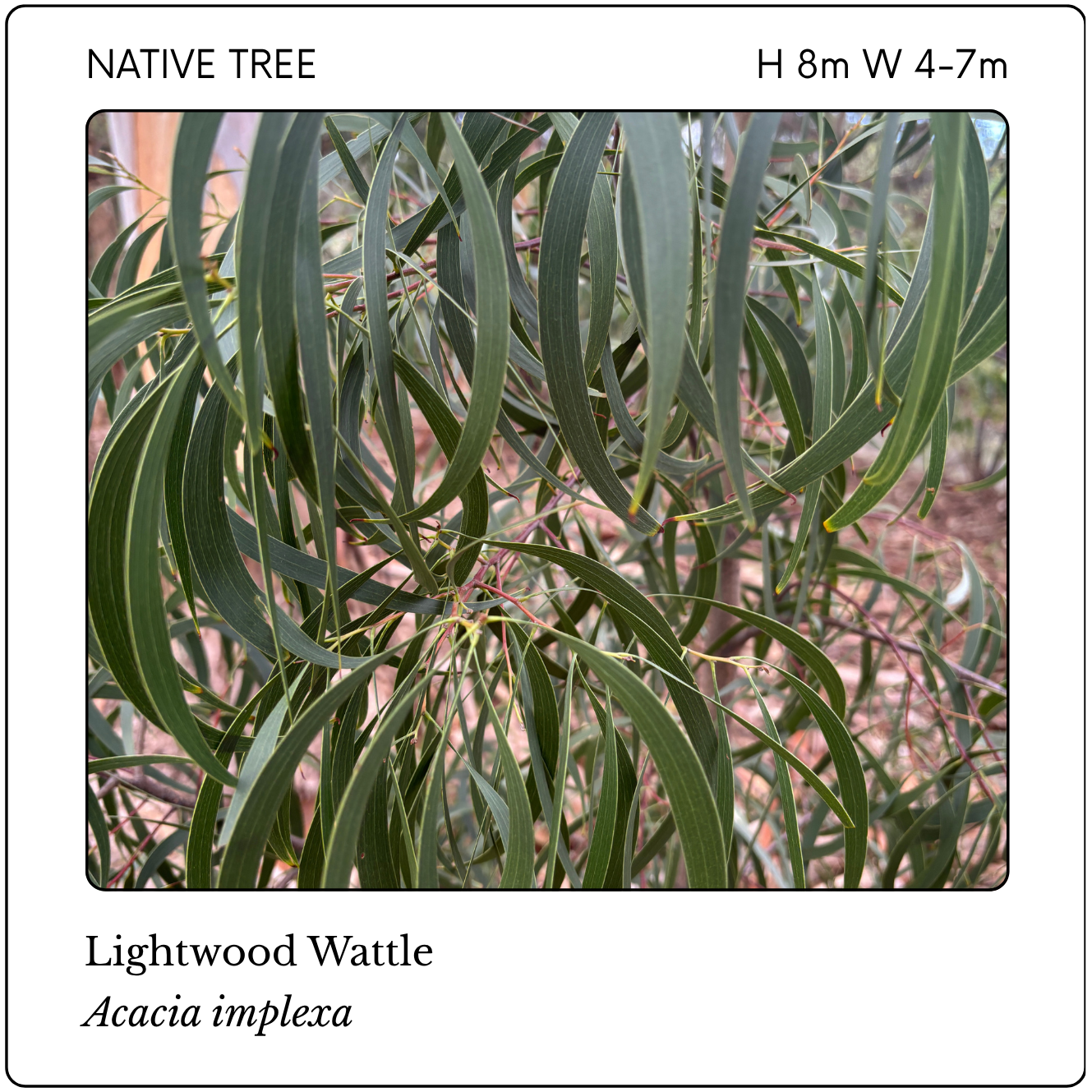
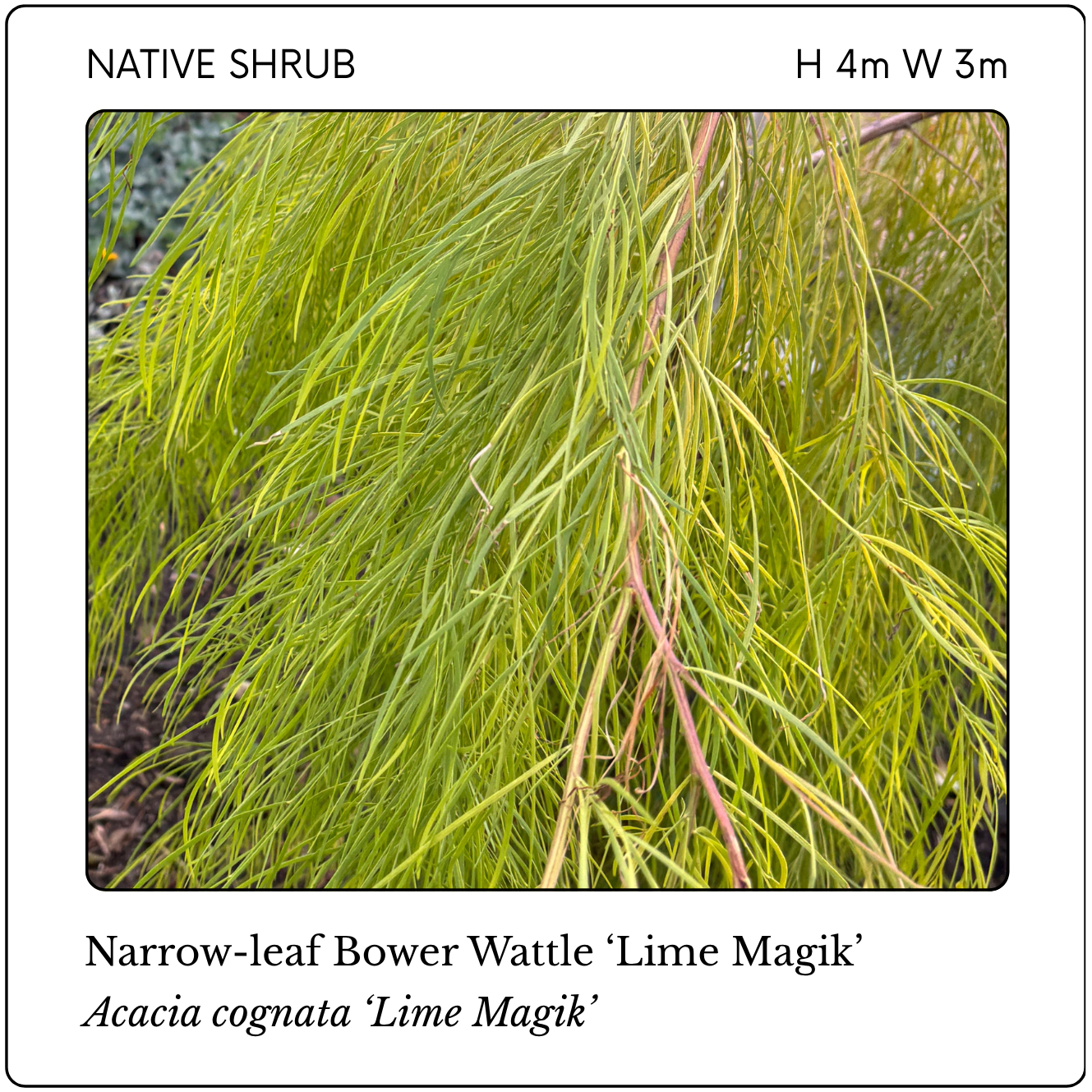
Some favourite plants used by Tended Earth are shared here. To help visualise the structure of a wild garden, these plants are grouped according to their layer:
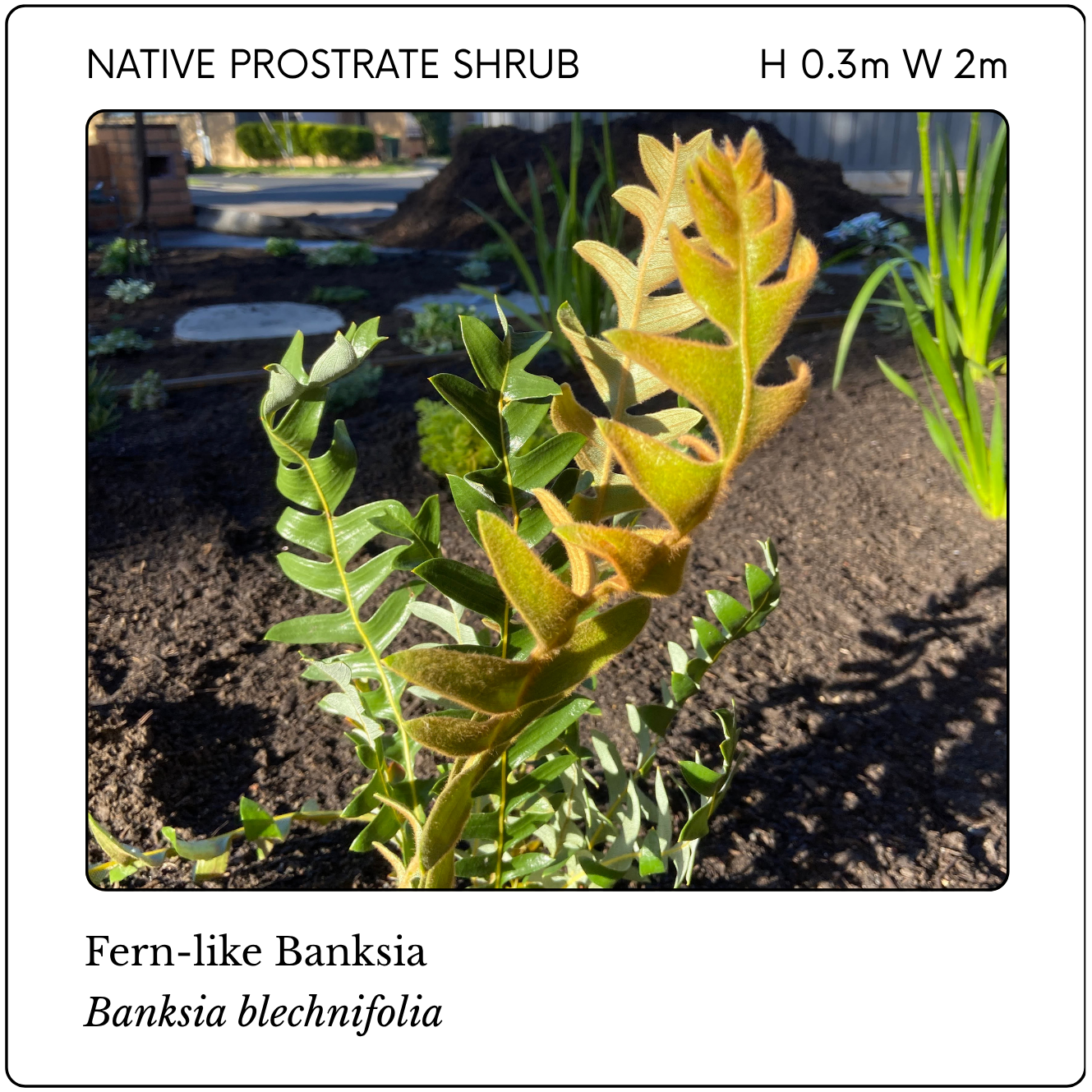
Ground-Hugging
Low
Mid-Storey
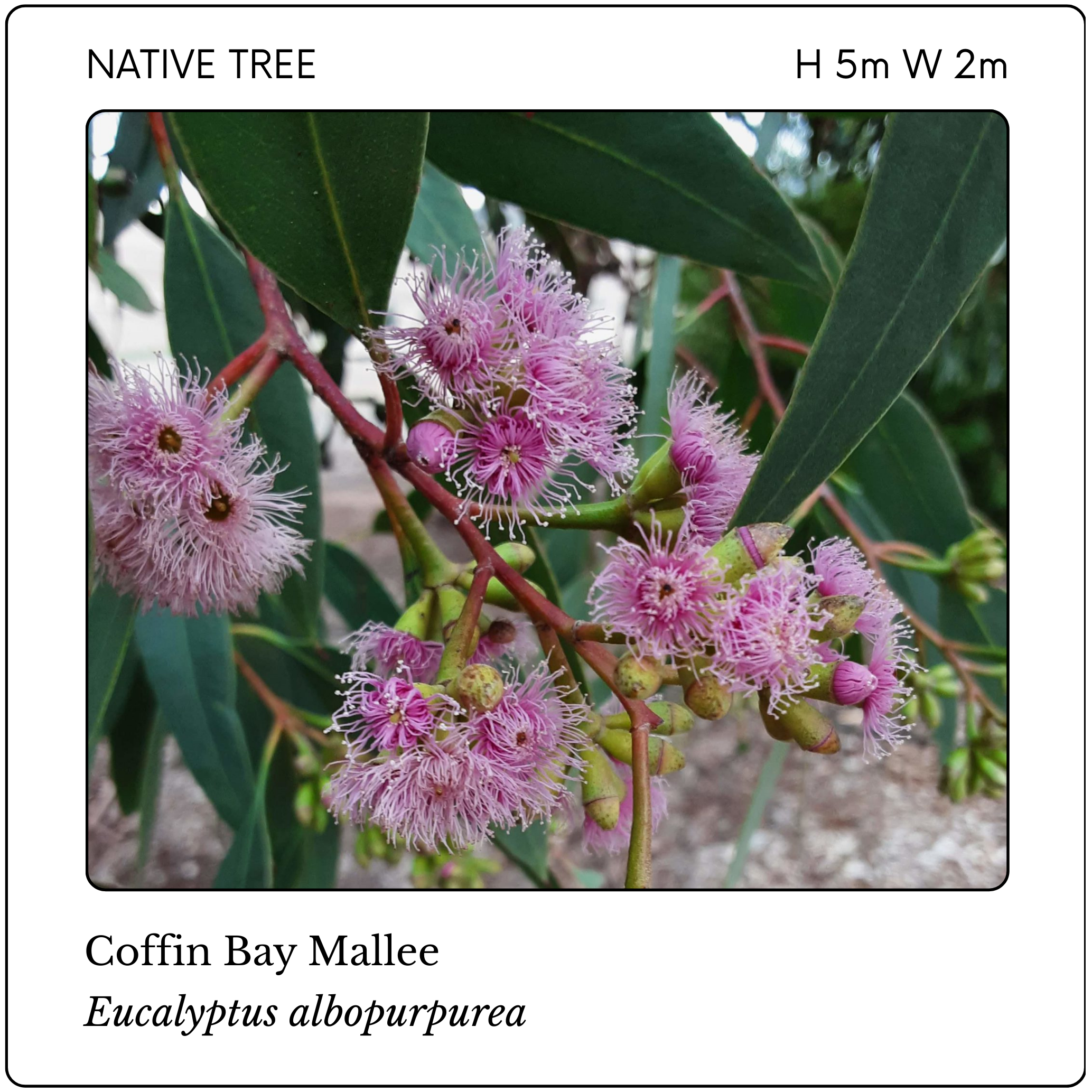
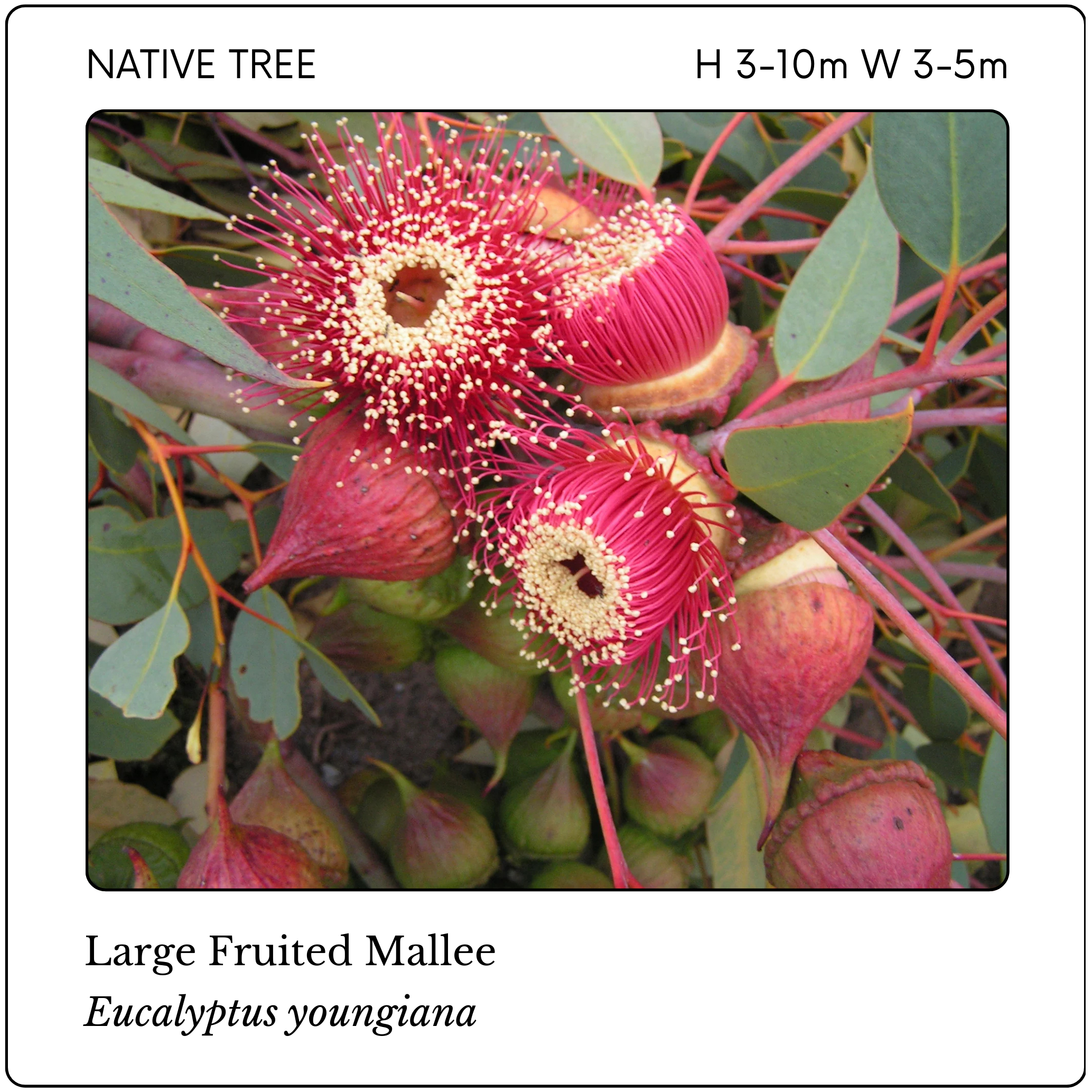
Canopy
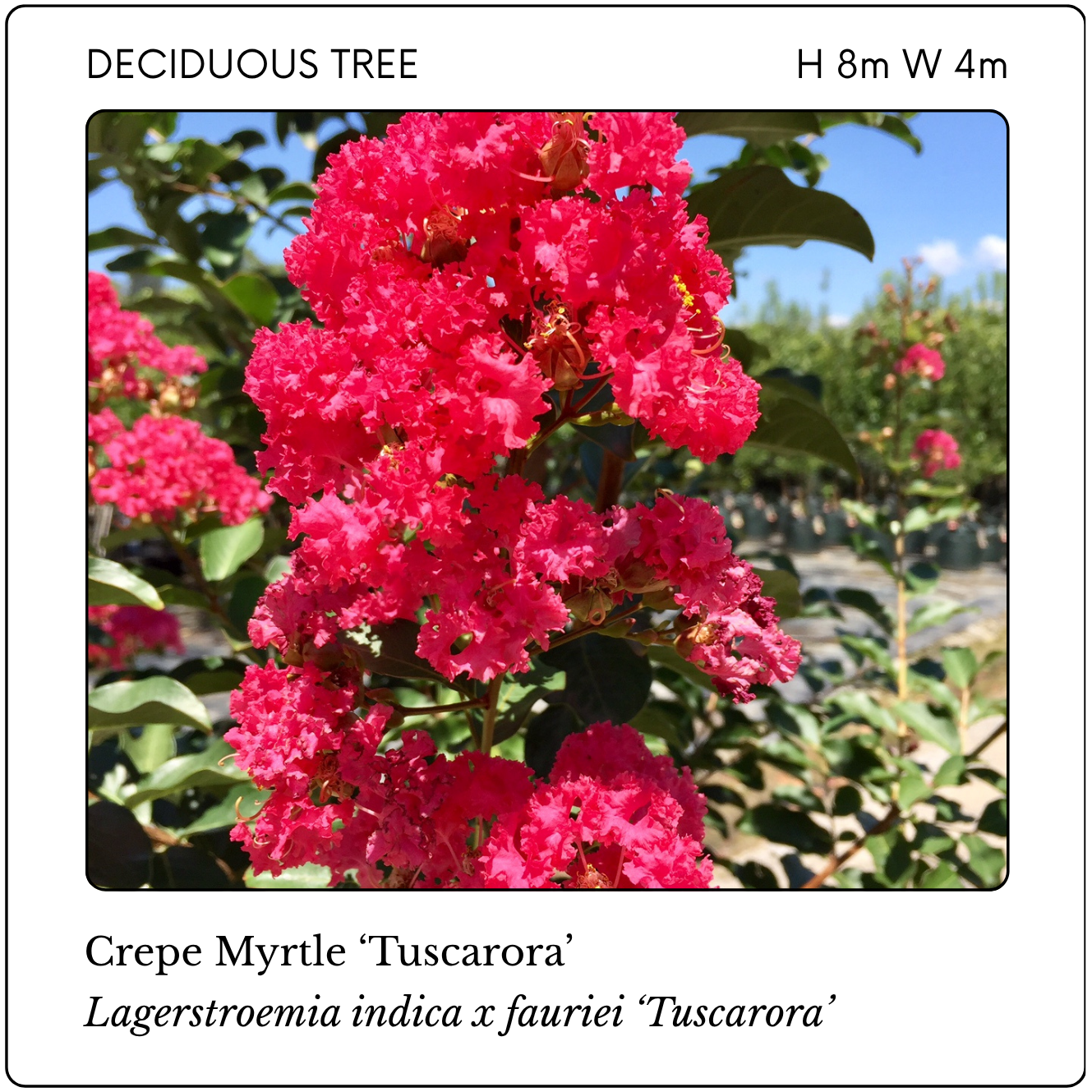
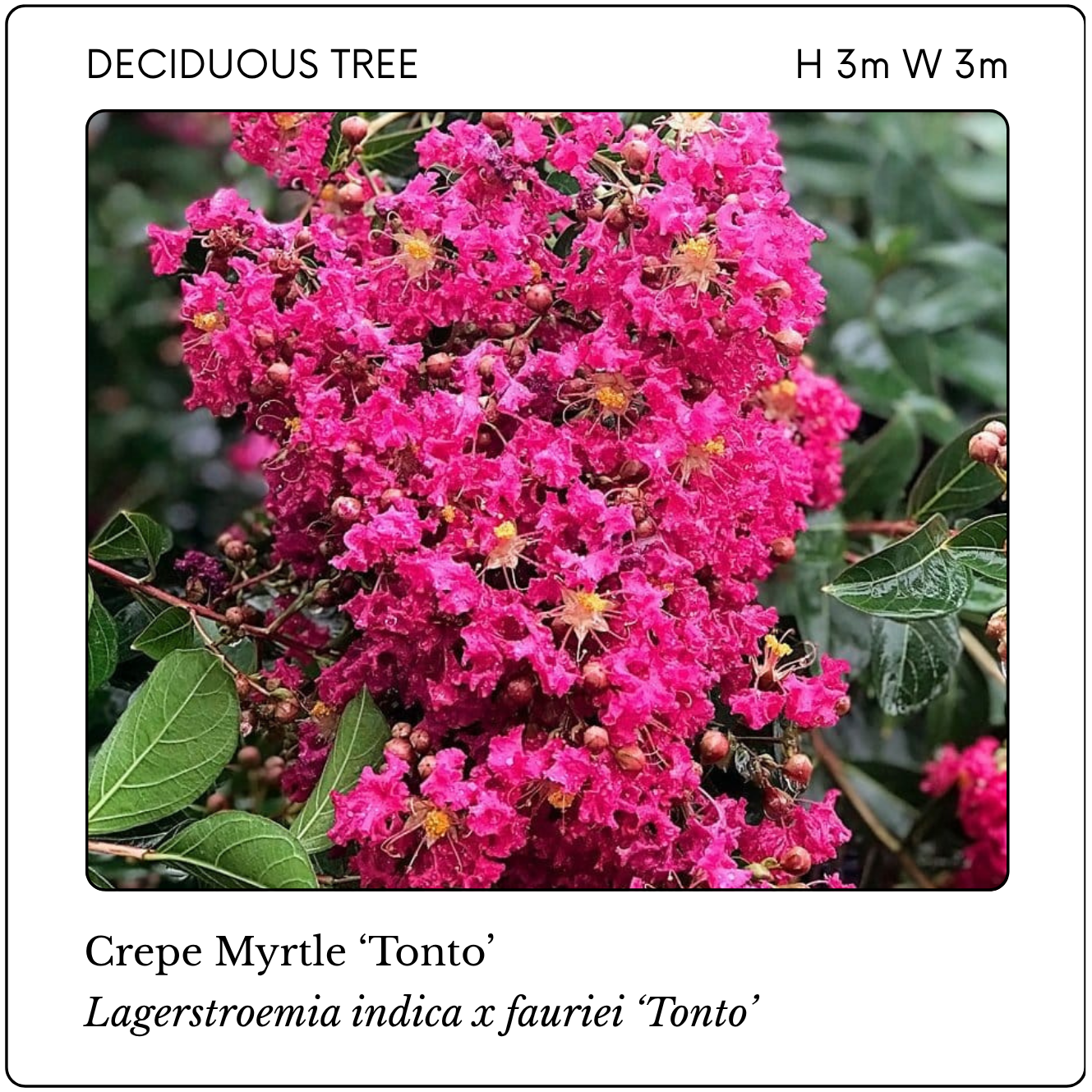
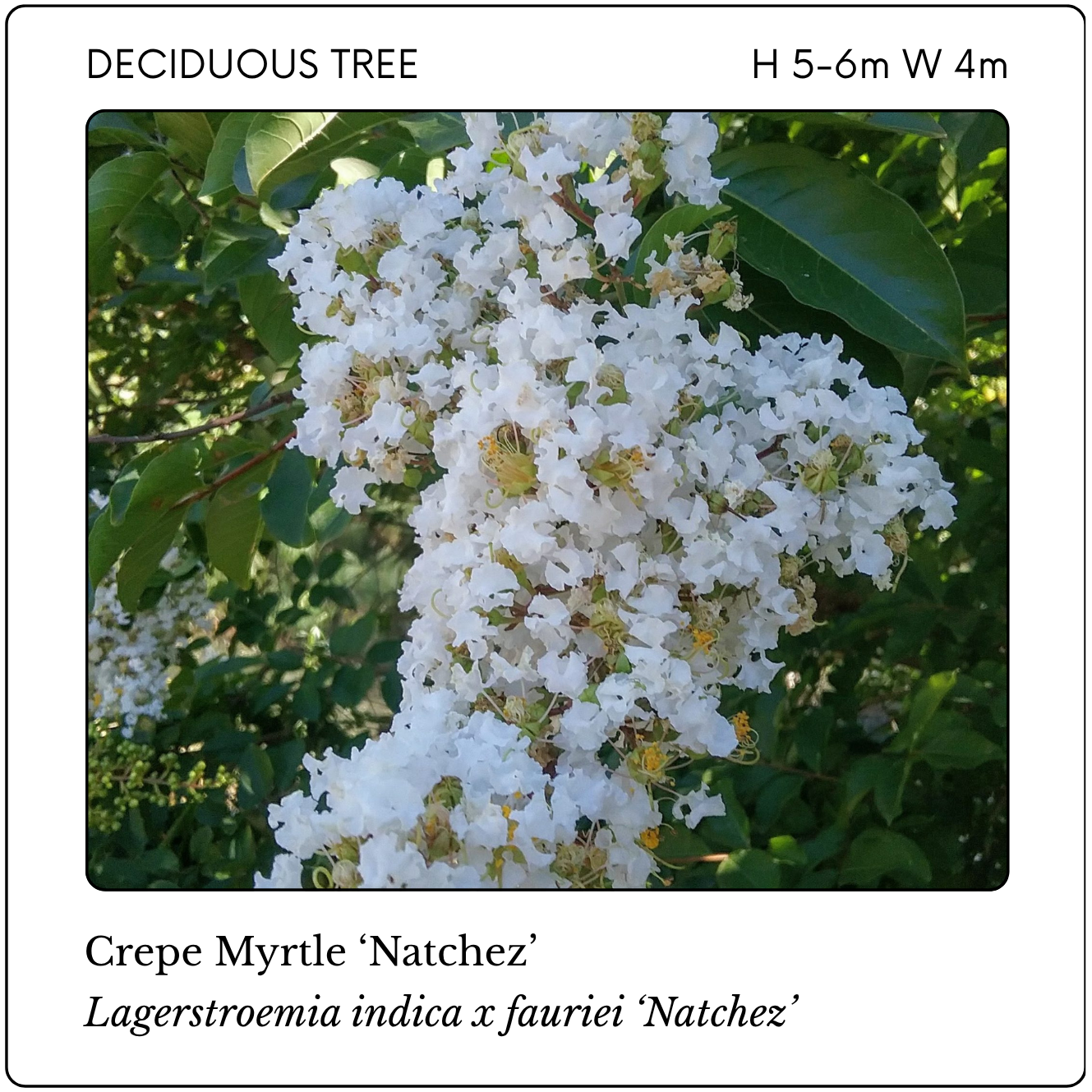
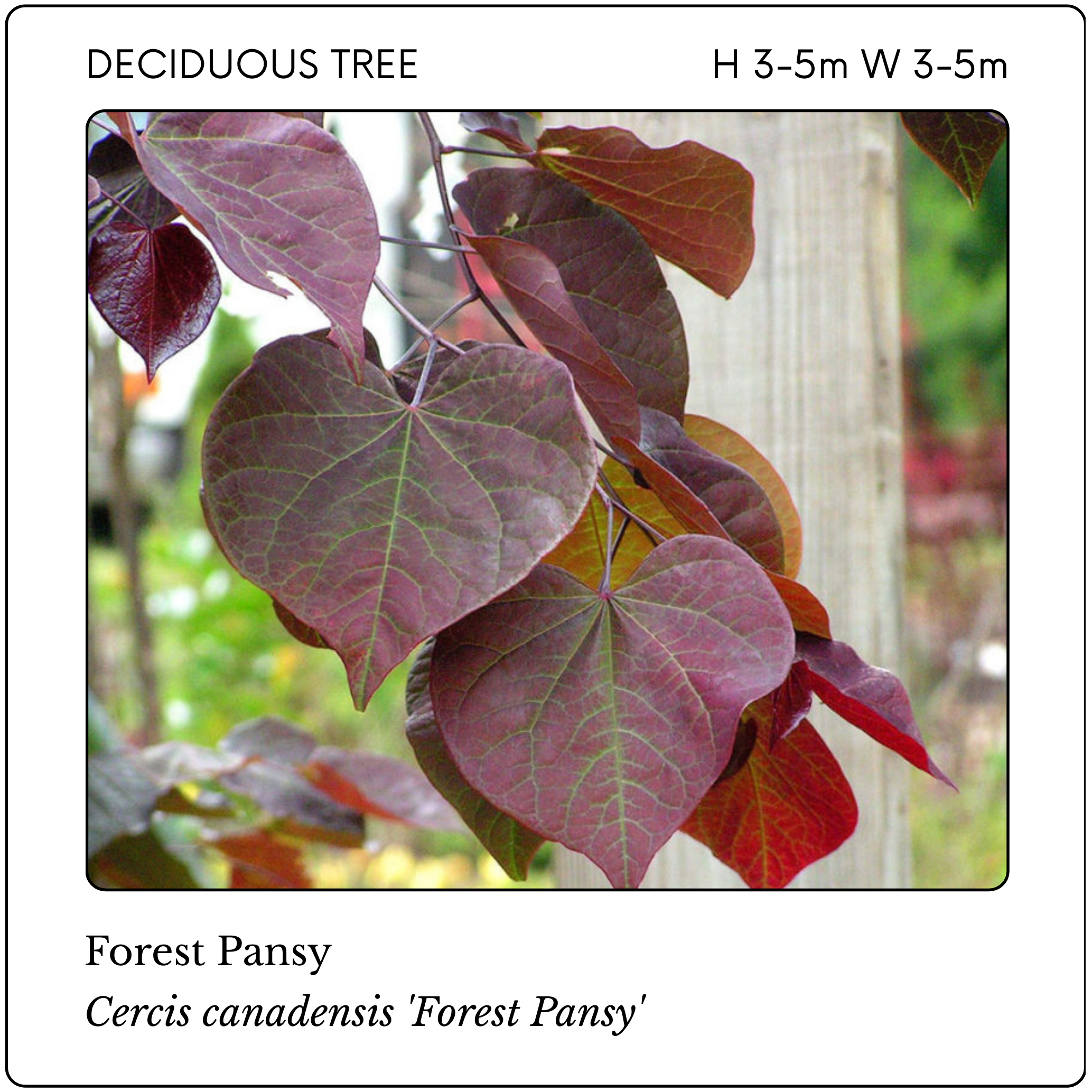
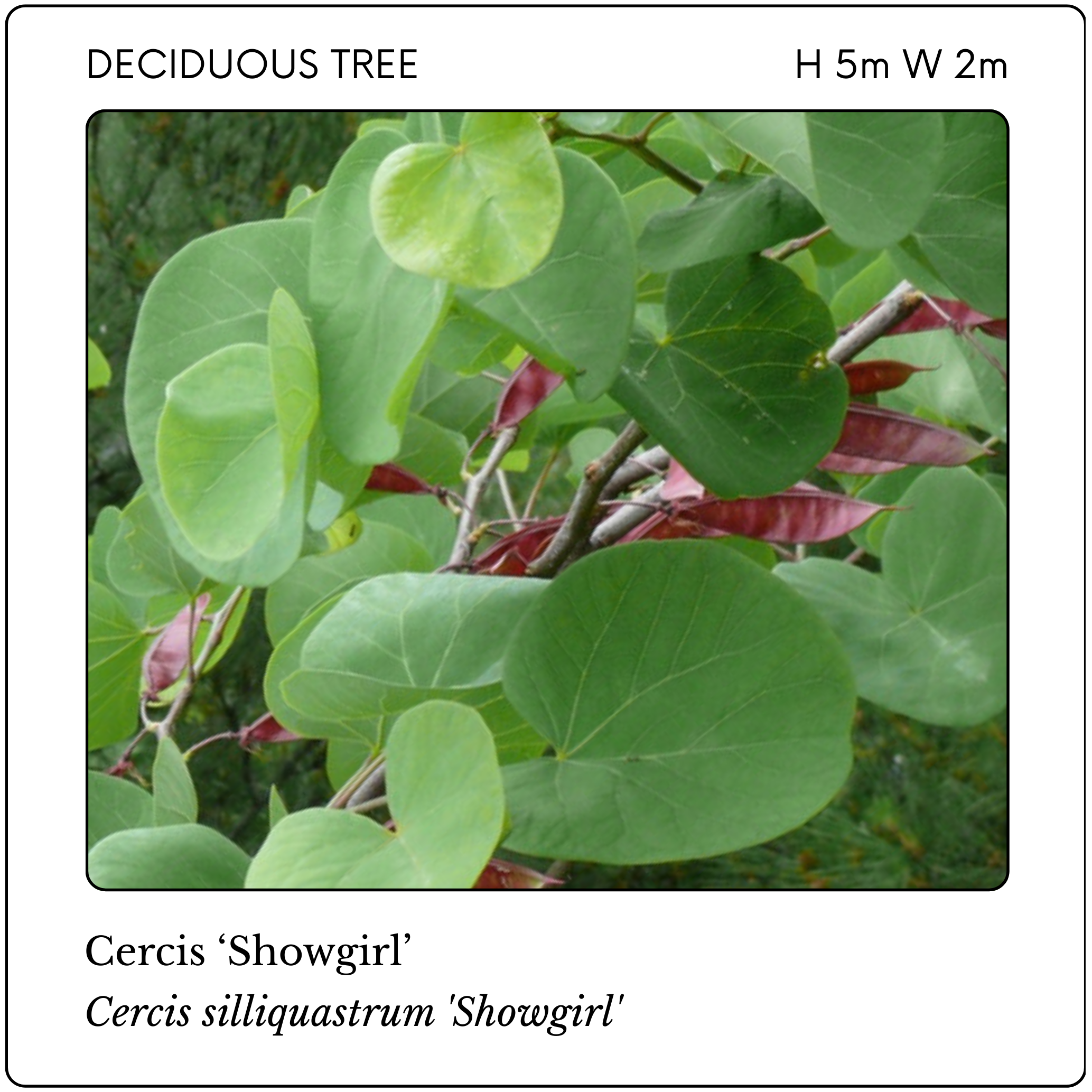
Many, but not all, of these plants are native to Australia. Tended Earth also likes to include some exotic species that are well-adapted to our climate and conditions. Of note, hardy deciduous trees such as the Crepe Myrtle are wonderful summer shade-providers! Importantly, it is best to understand how a plant grows and ensure that we avoid planting any invasive species.
Ground-Hugging Plants
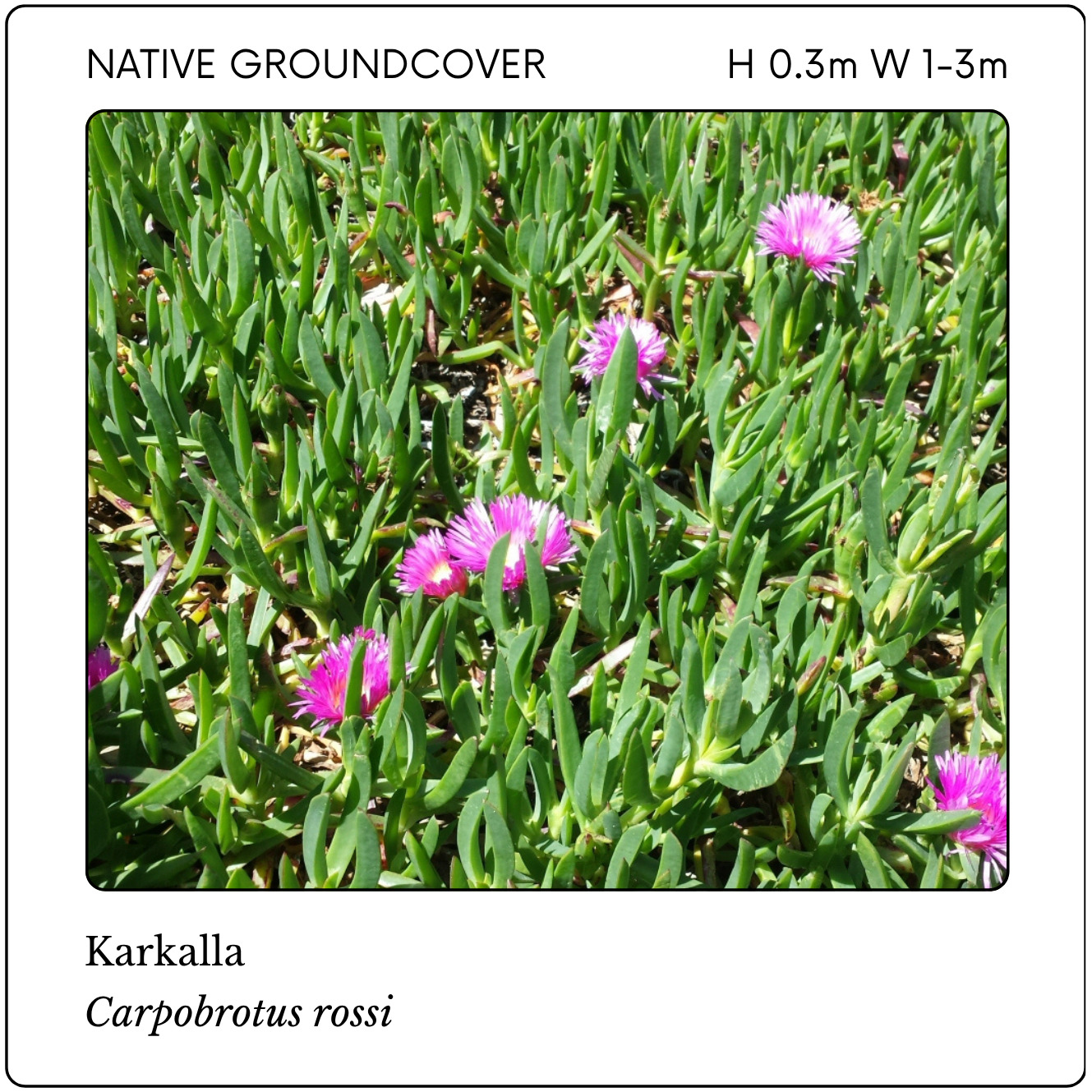
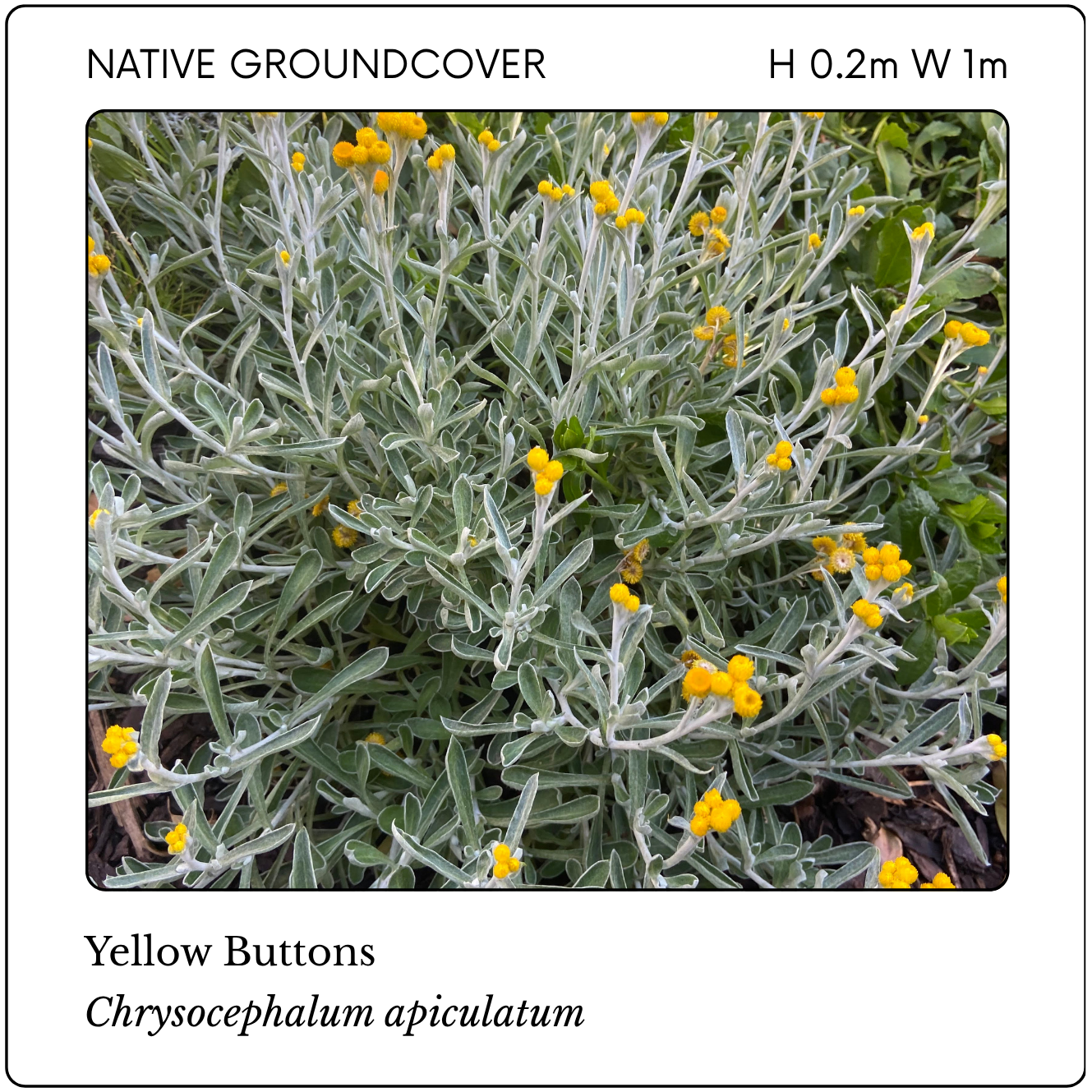
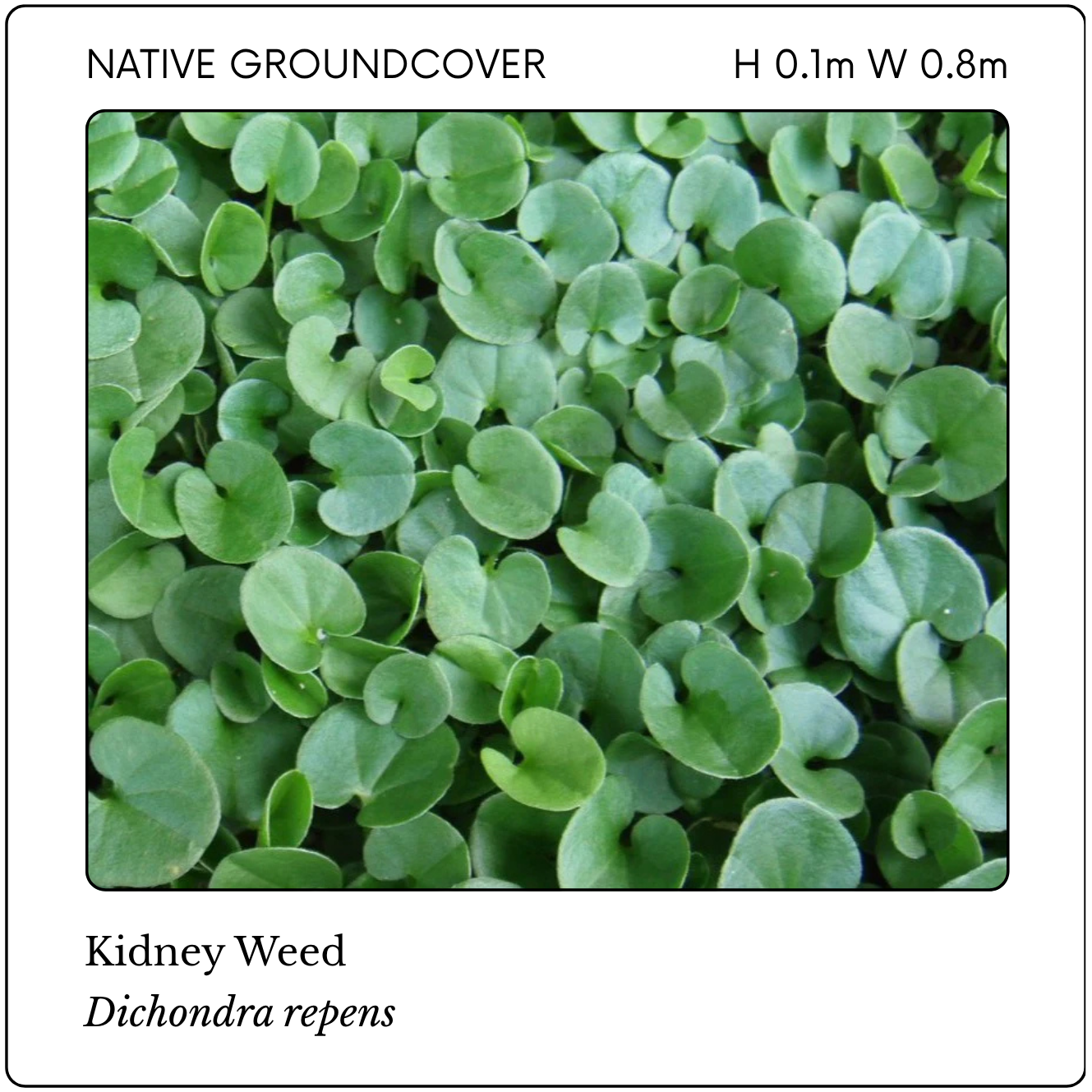
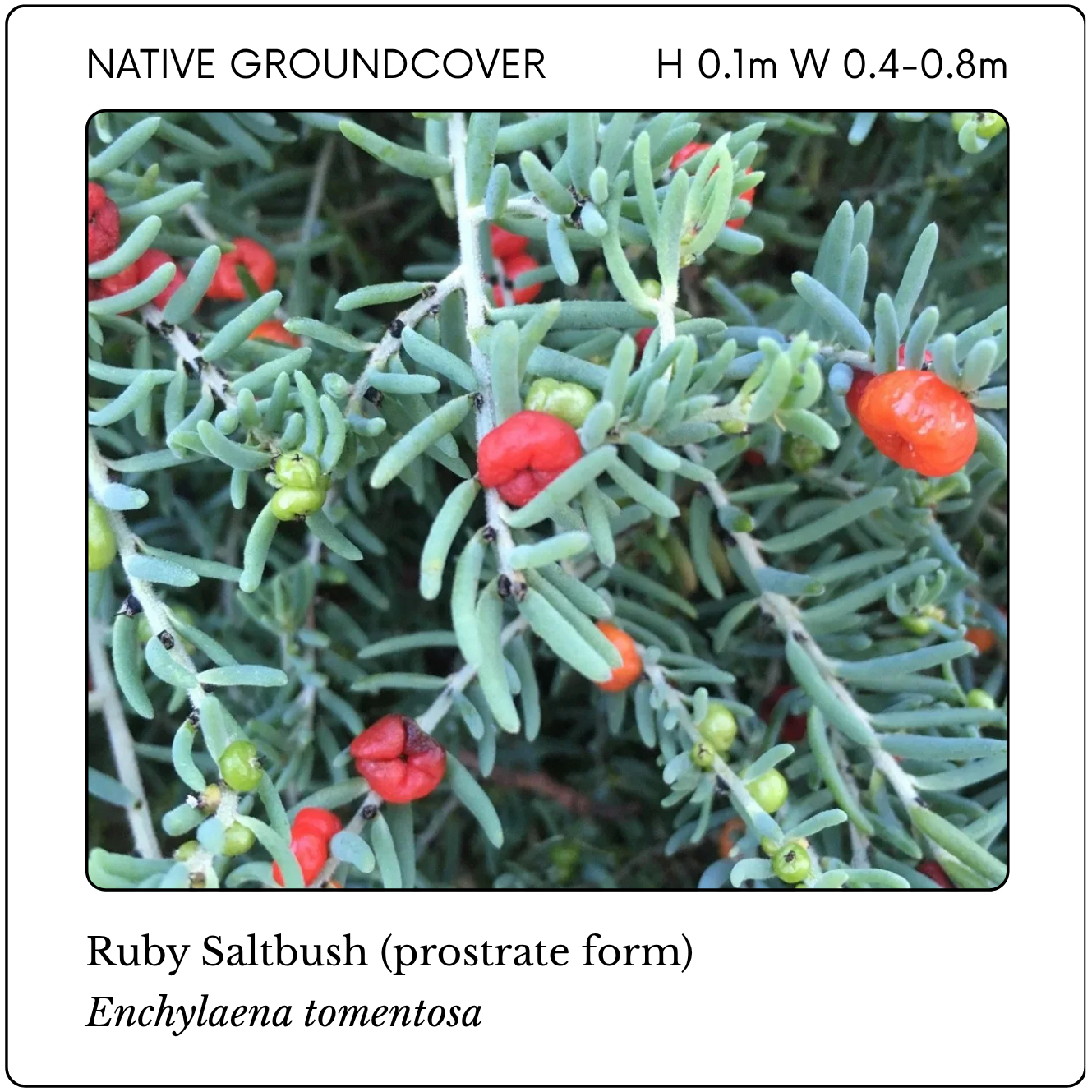
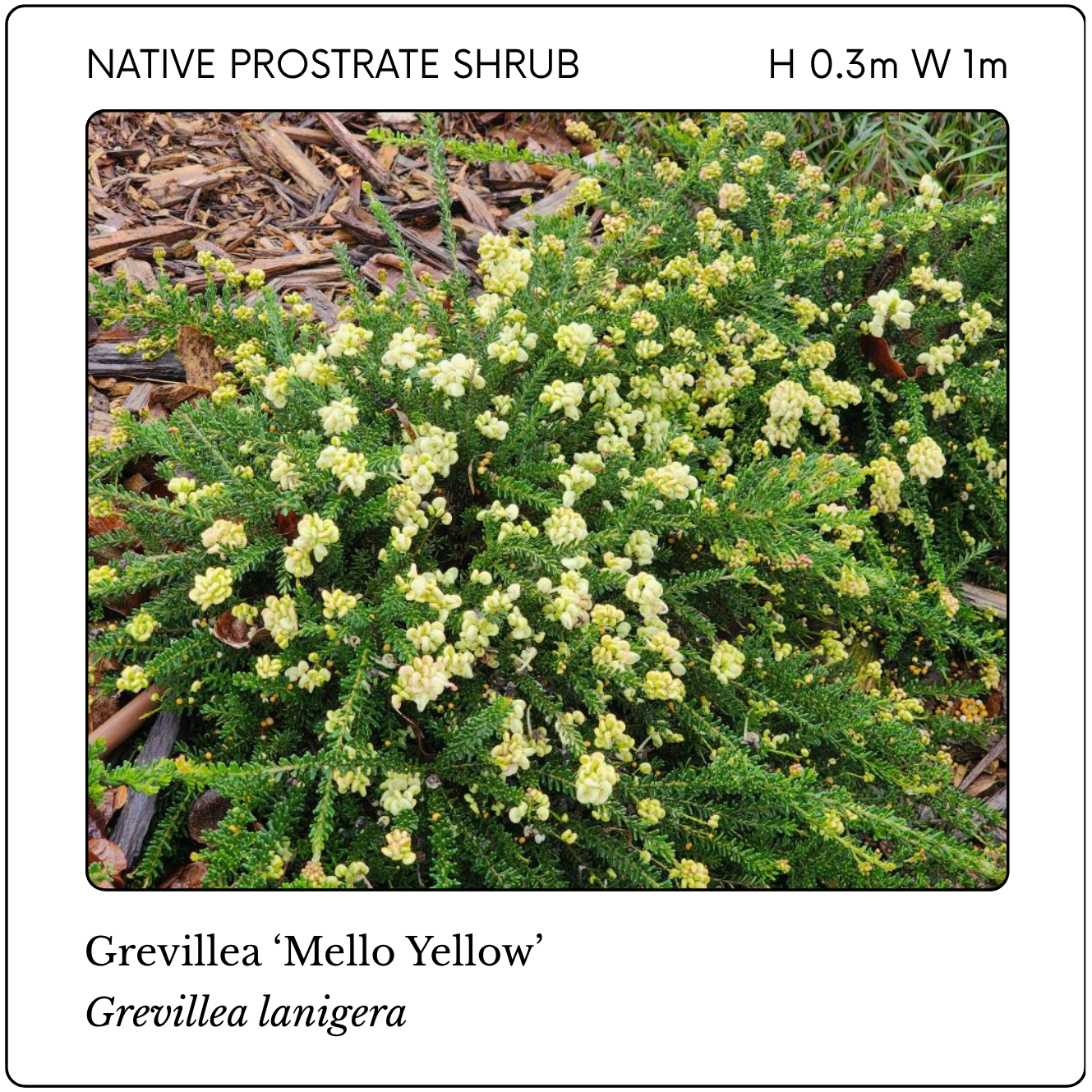
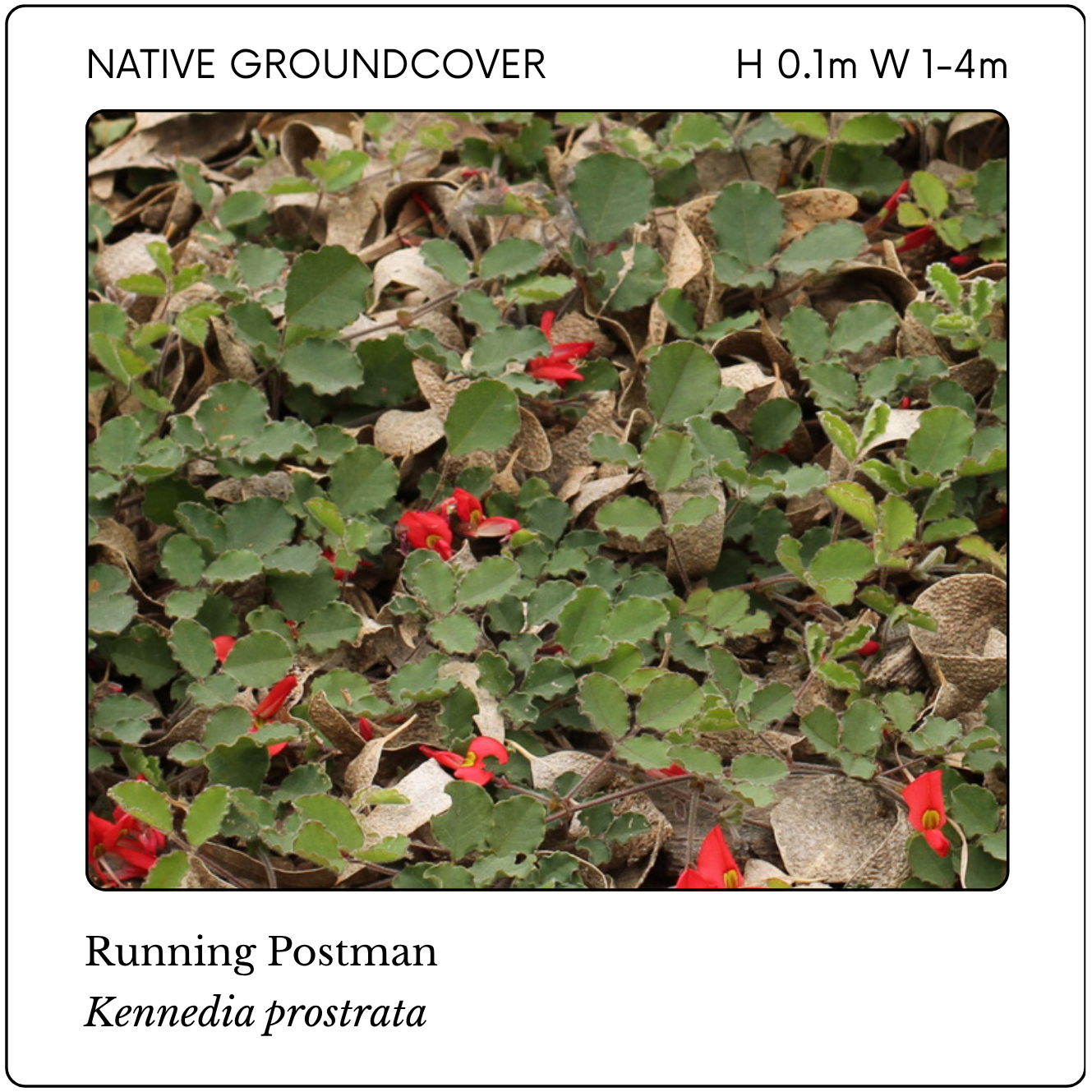
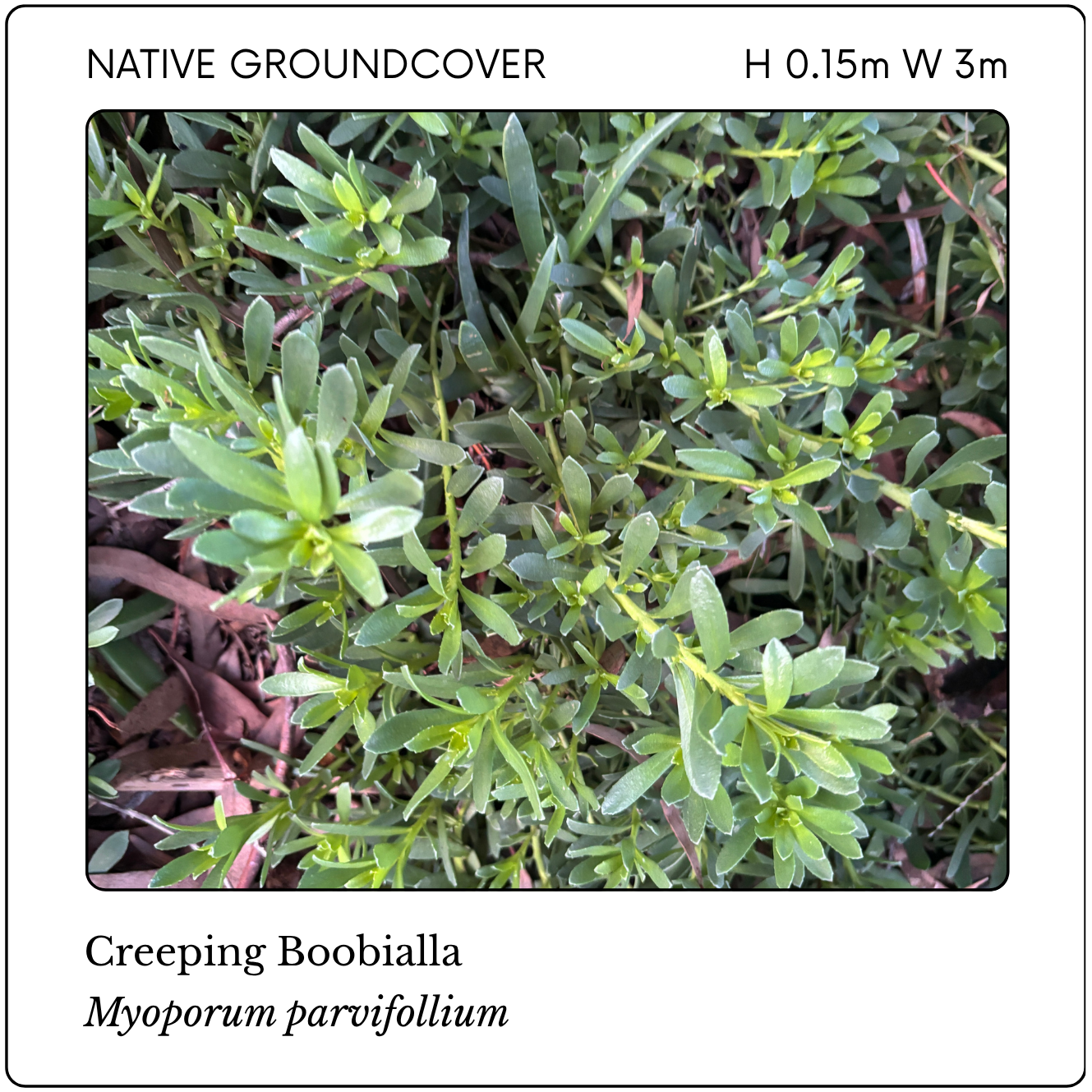
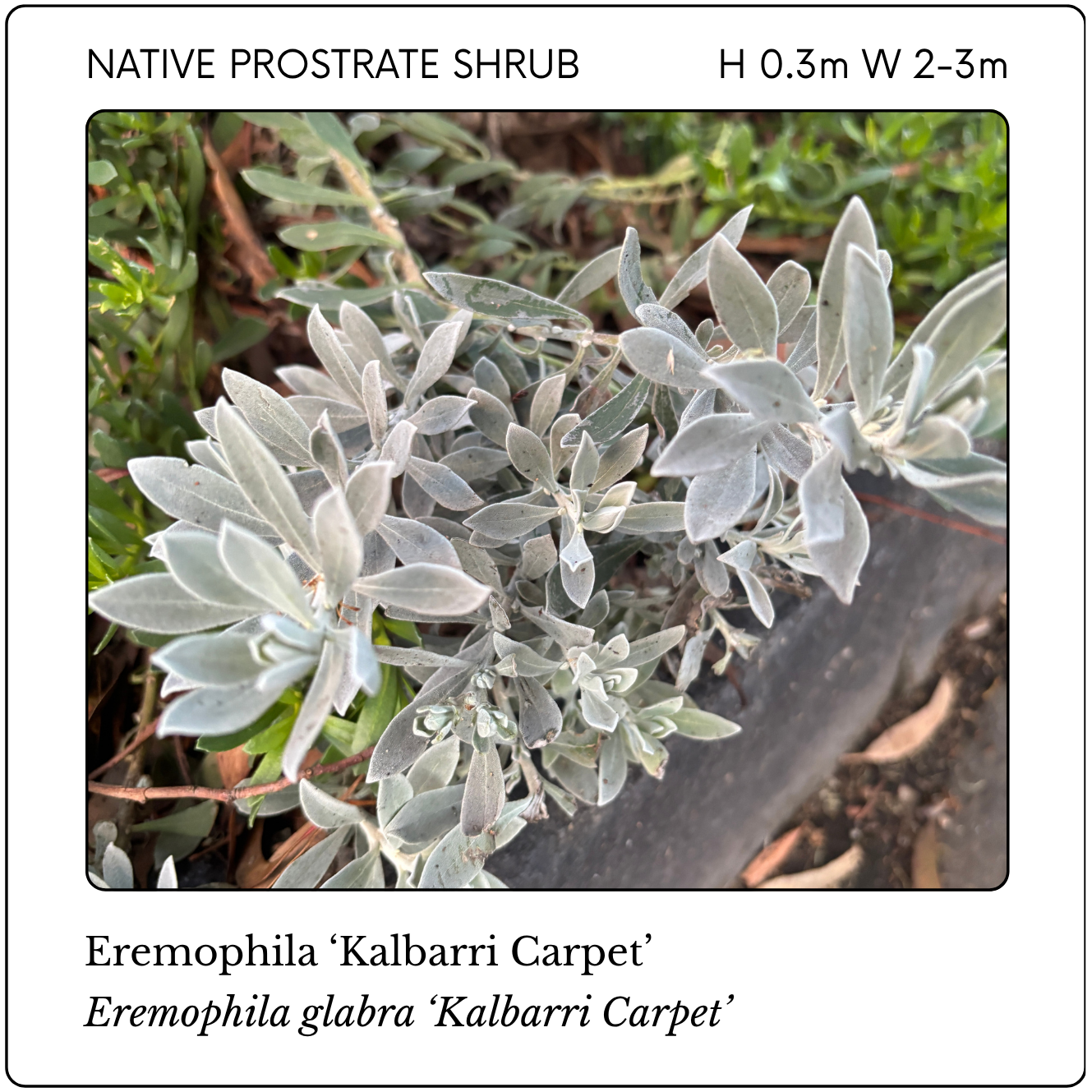
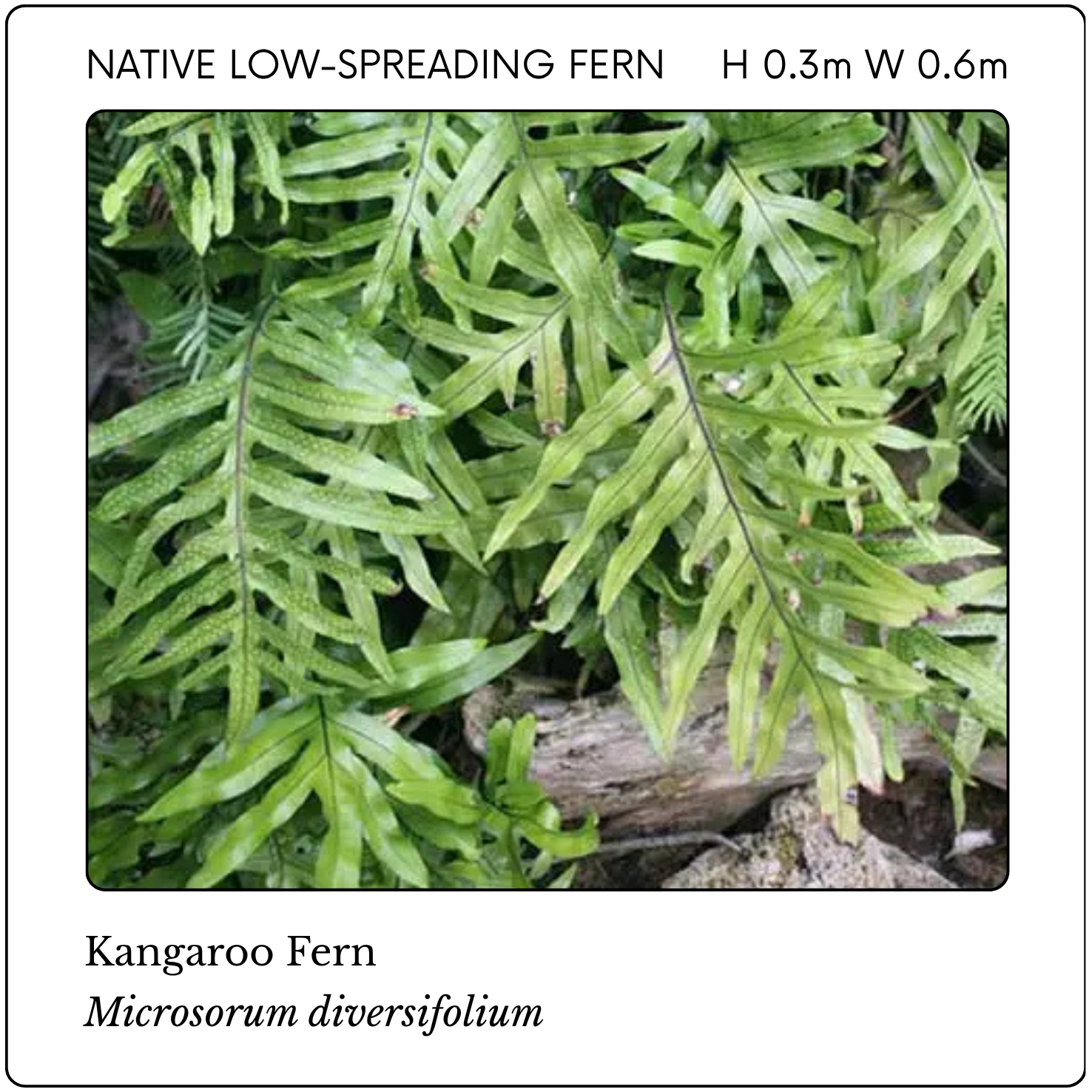
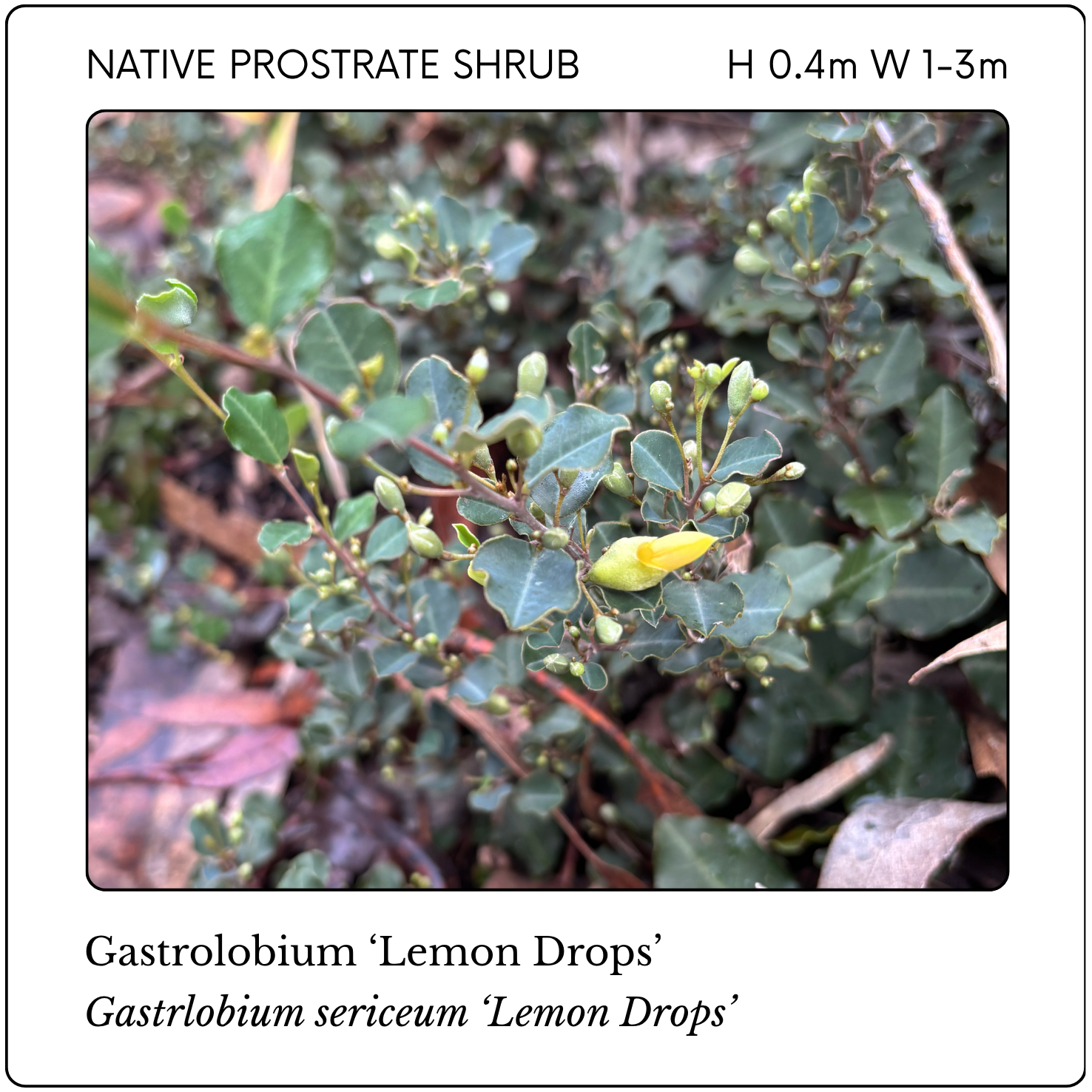
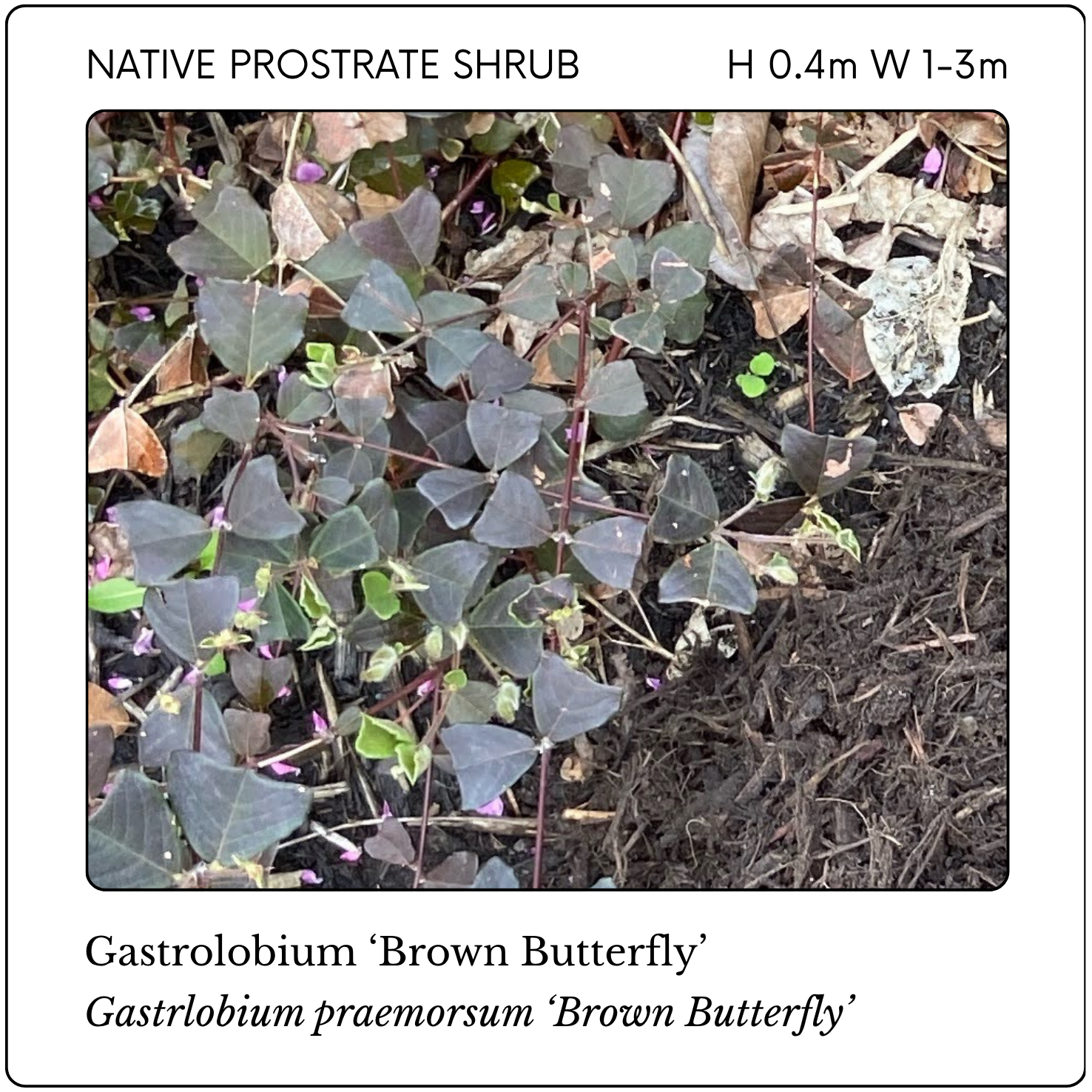
Groundcovers & Prostrate Shrubs (0-20cm)
These plants stay low and spread across ground to protect the soil, suppress weeds, and provide food and shelter for insects. Note, some of these plants, such as Chrysocephalum apiculatum, could also be grouped as a ‘Small Flowering Plant’, depending on its growth form.
Low Plants
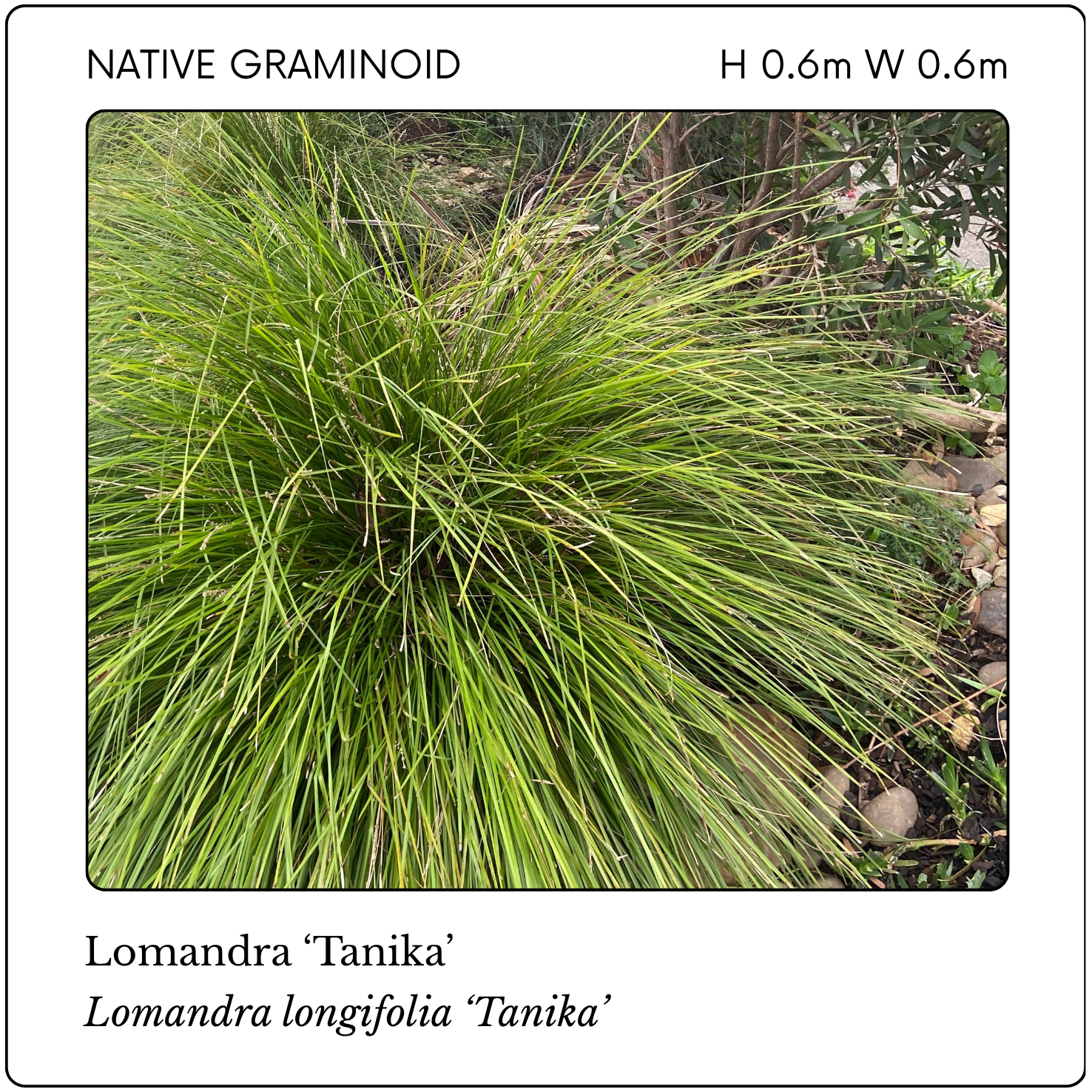
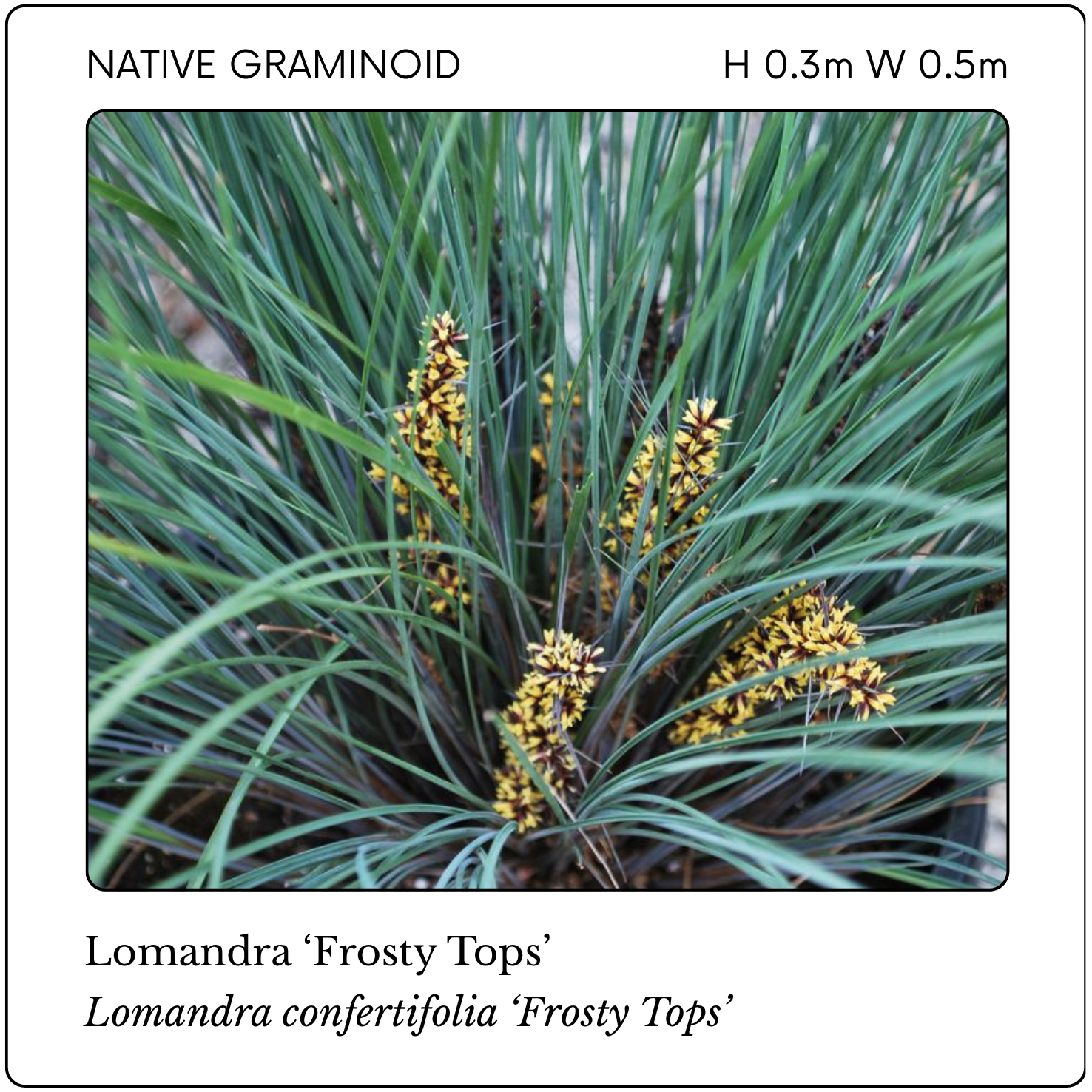
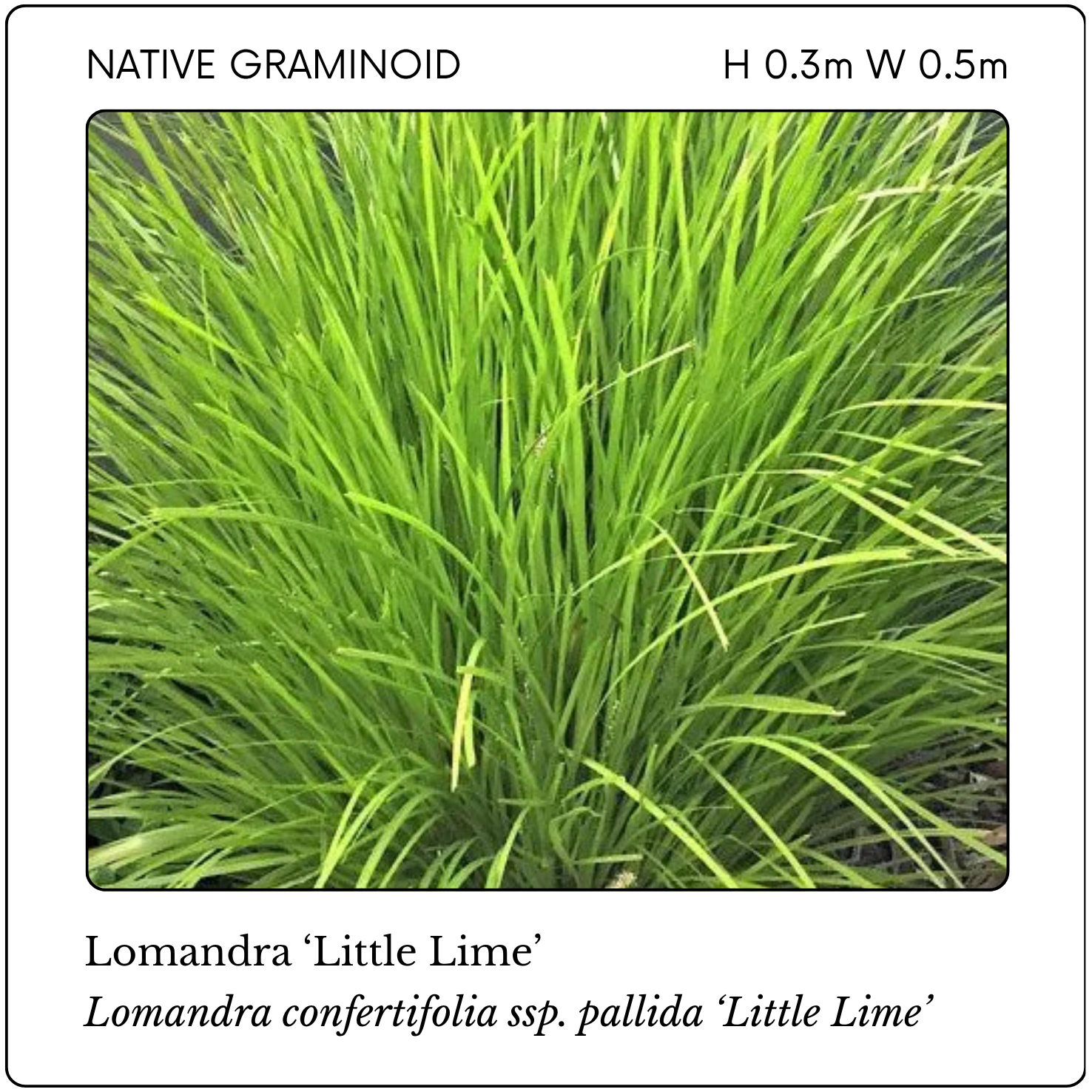
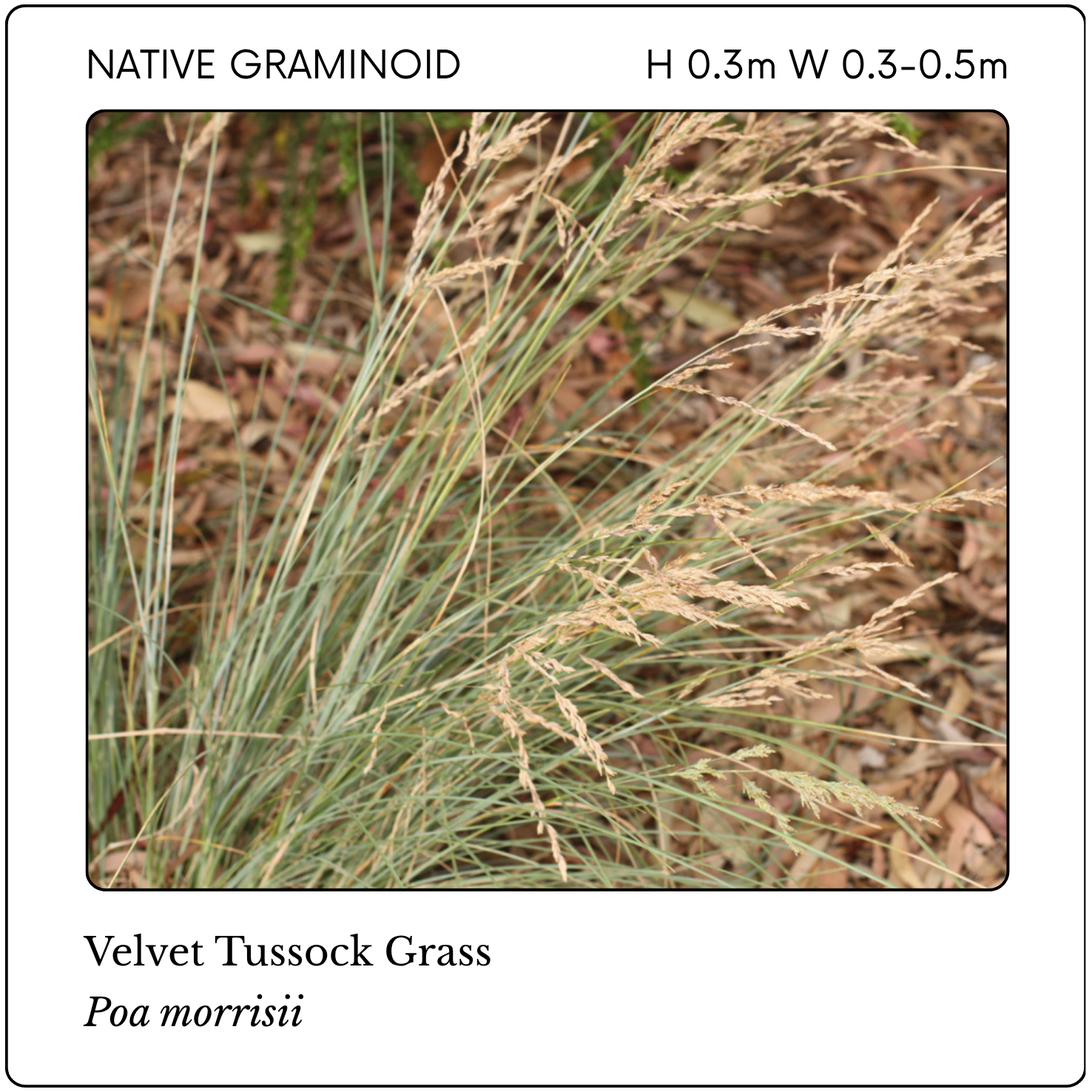
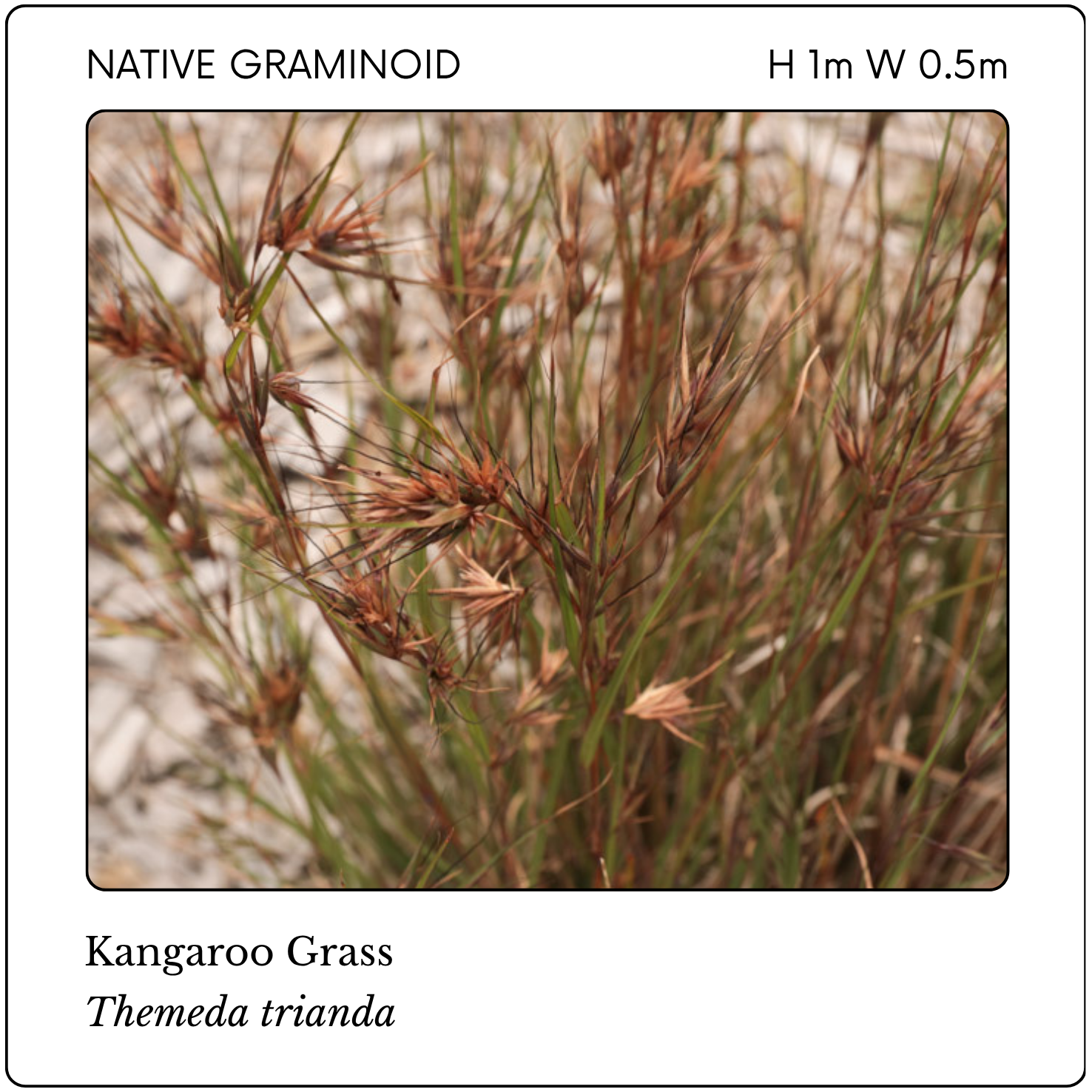
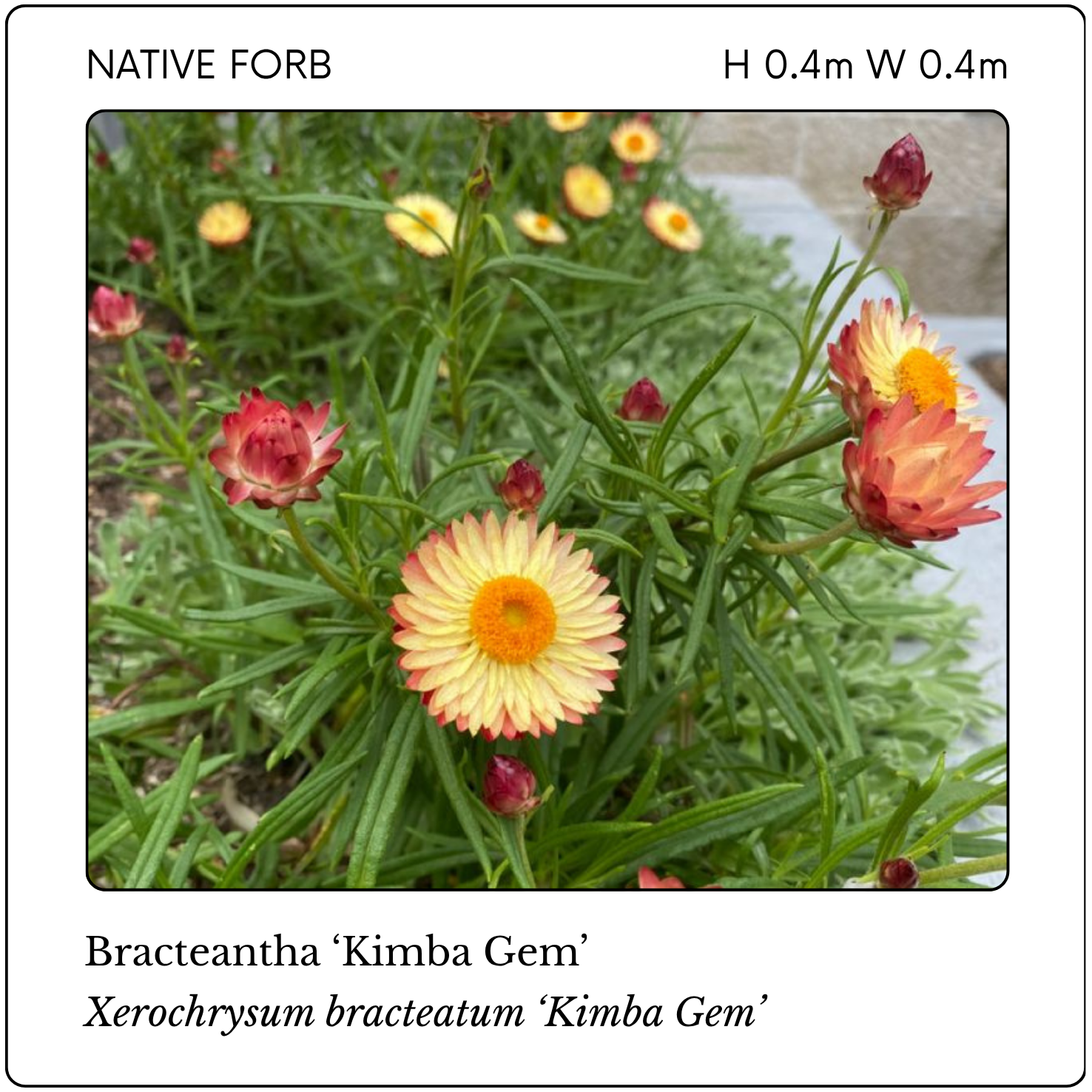
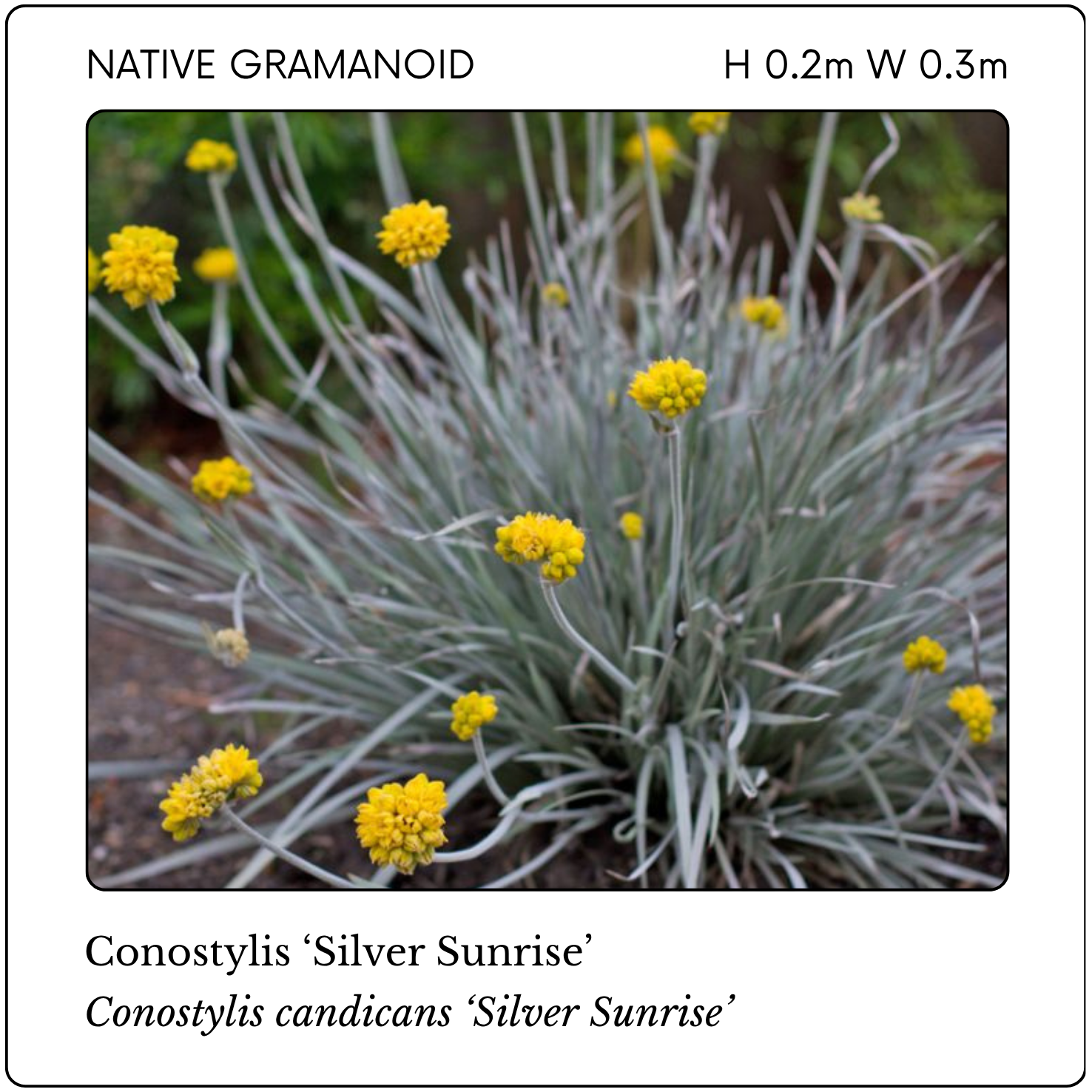
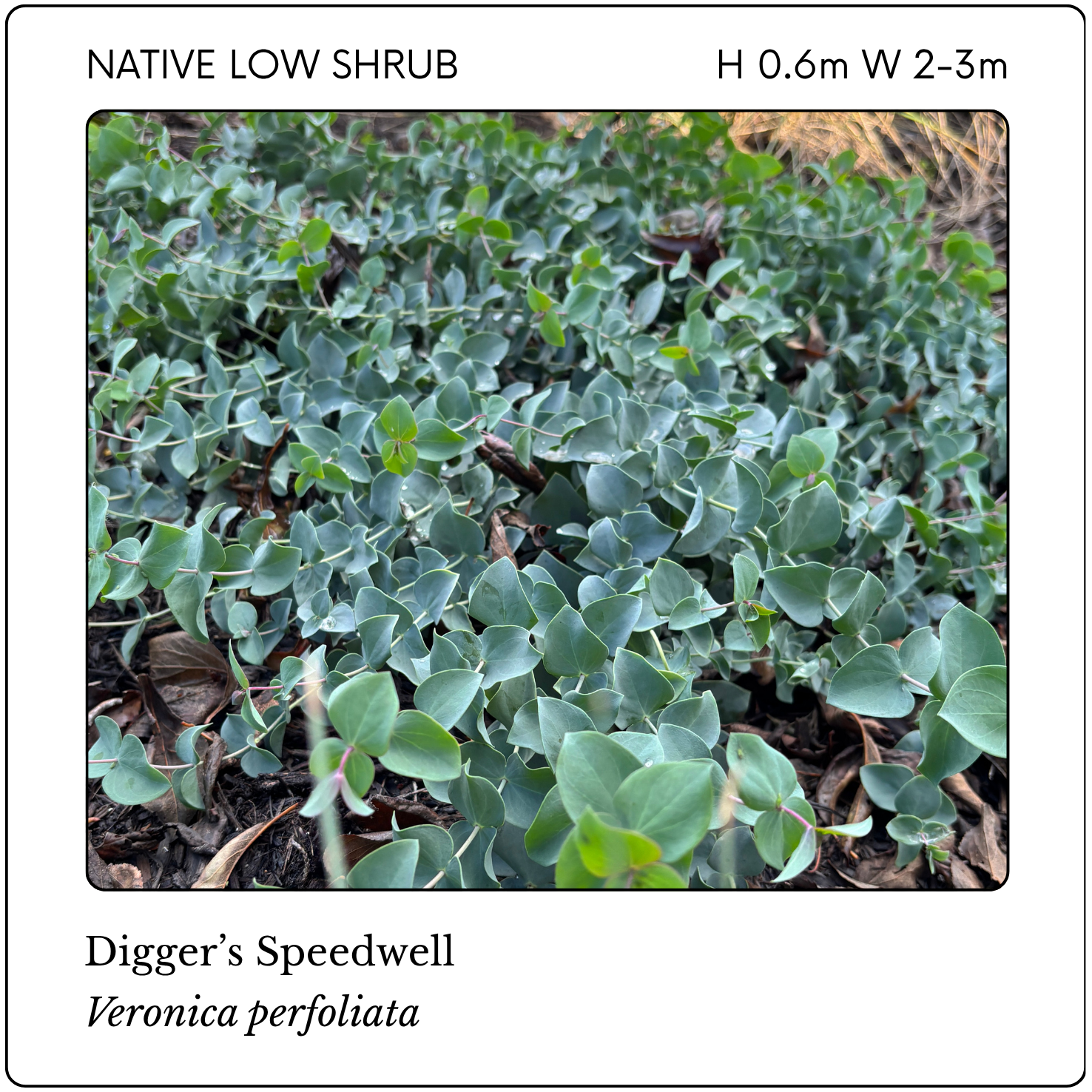
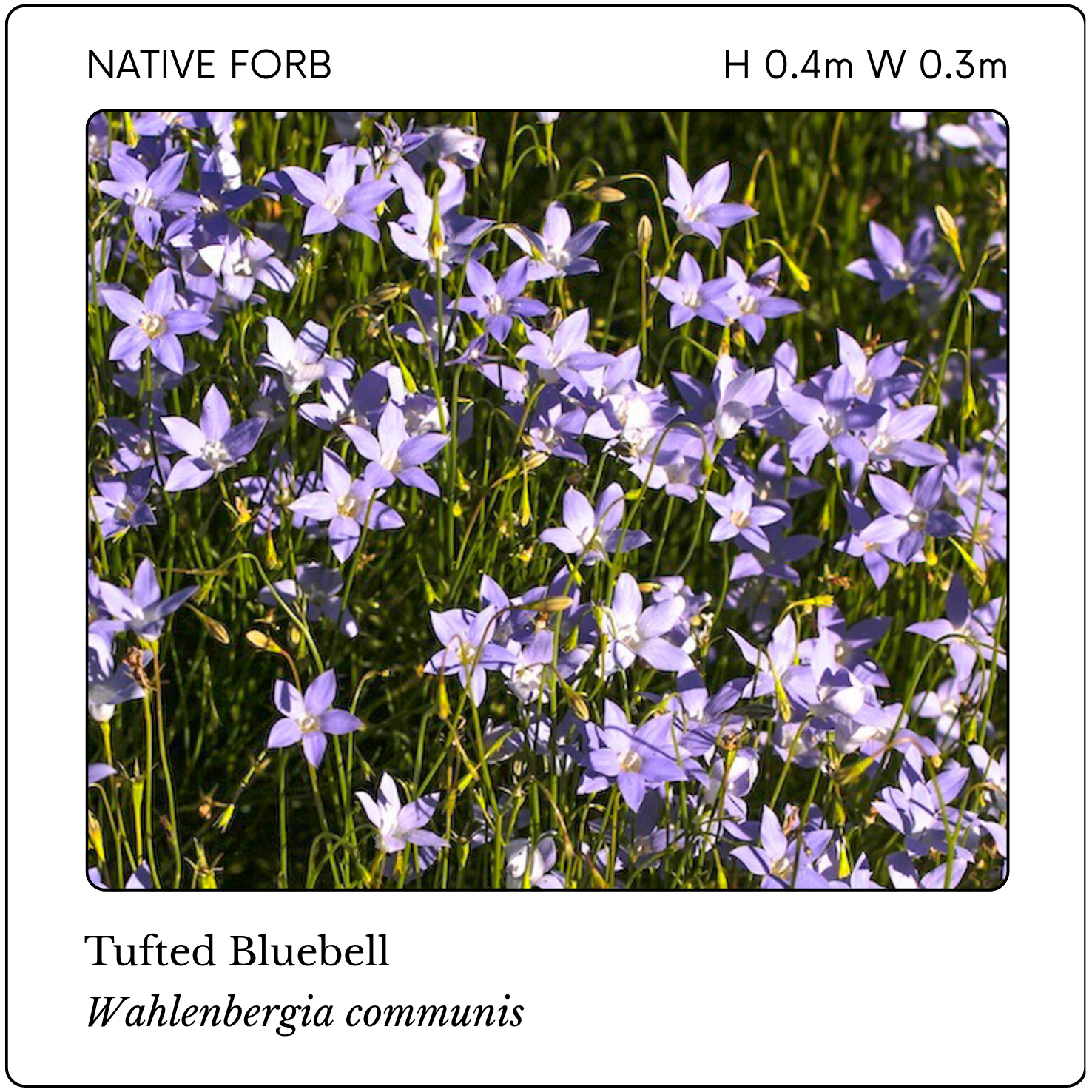
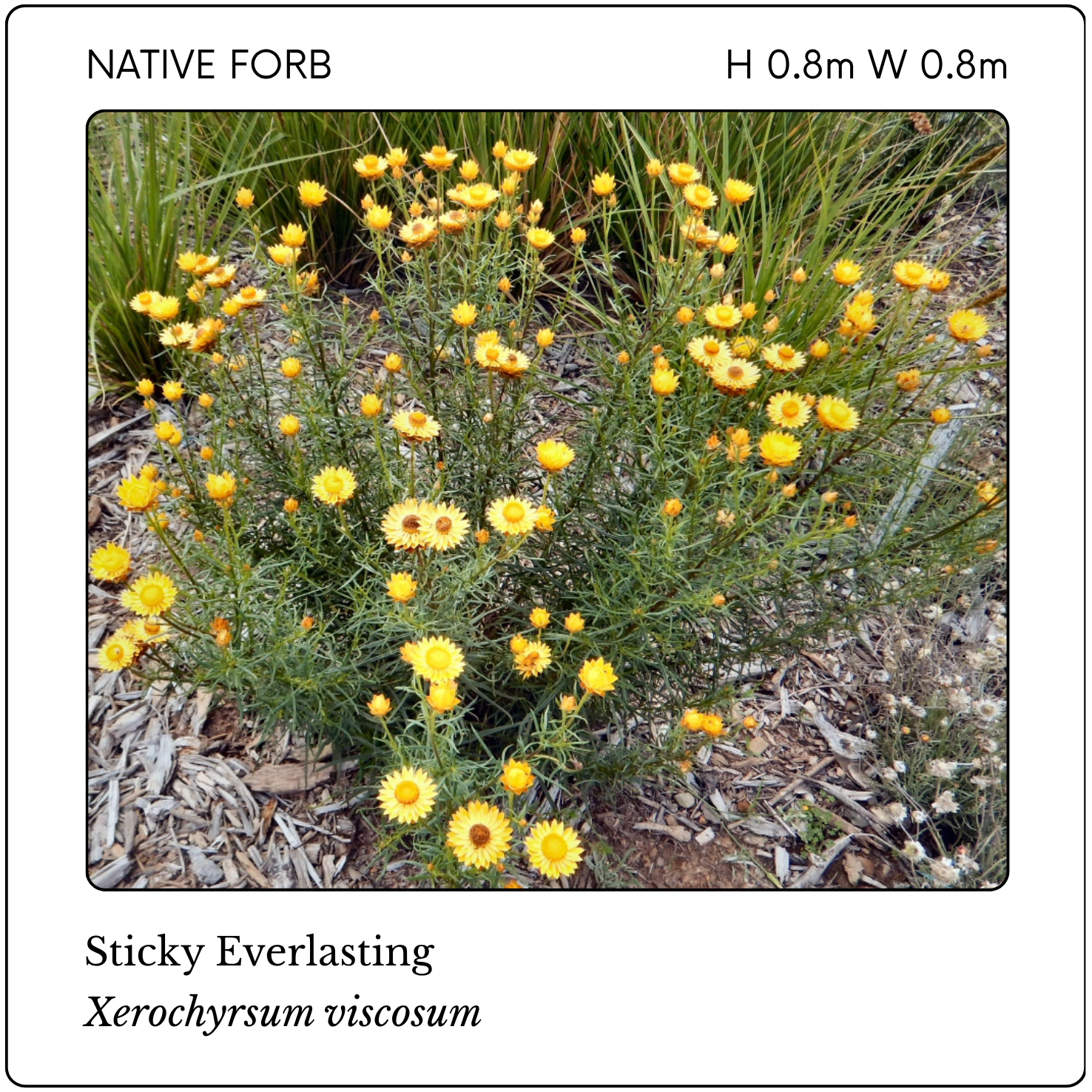
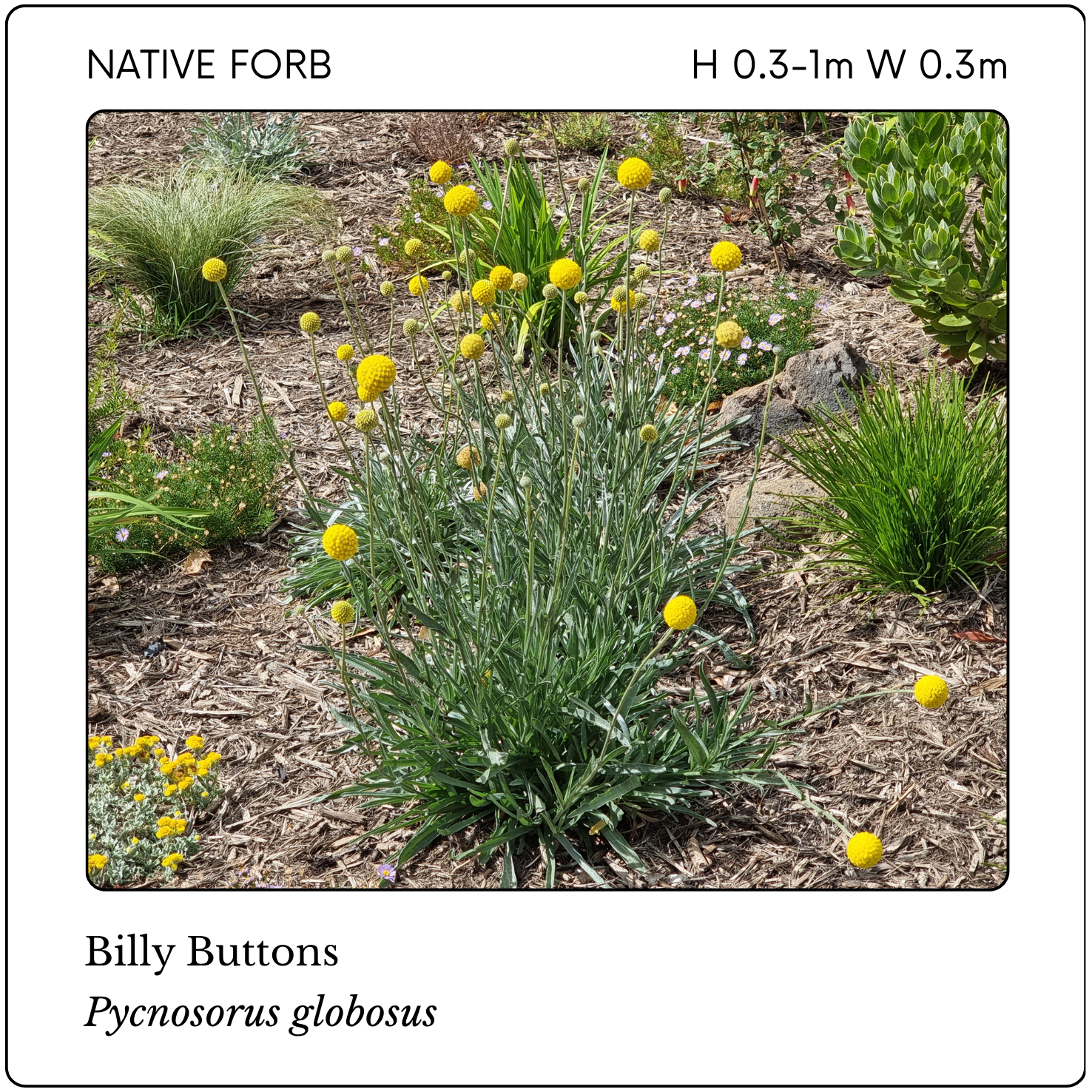
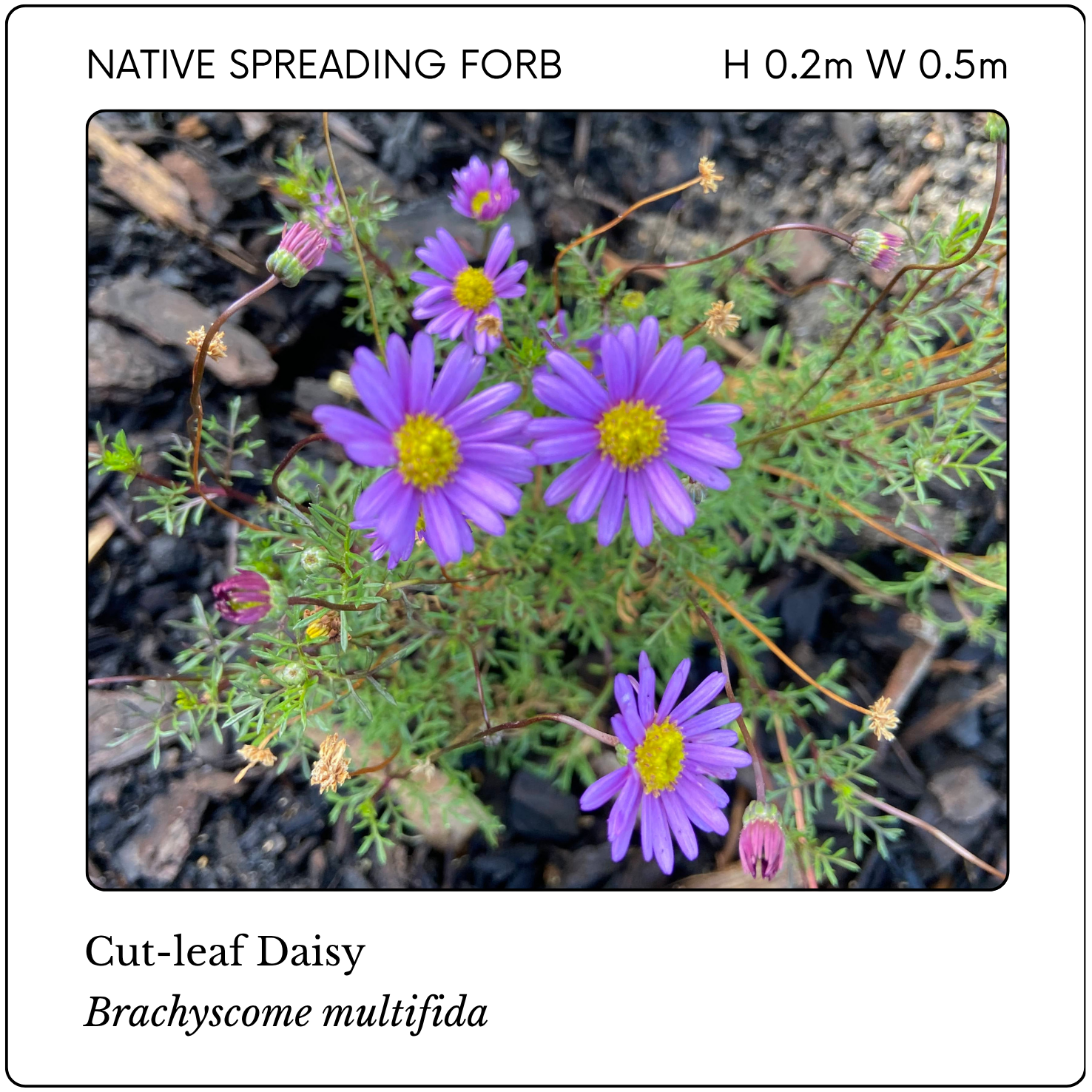
Graminoids, Small Flowering Plants & Low Shrubs (< 1m)
These grasses, grass-like plants, and small flowering plants bring colour, texture, and seasonal change to the garden. They also provide food for wildlife.

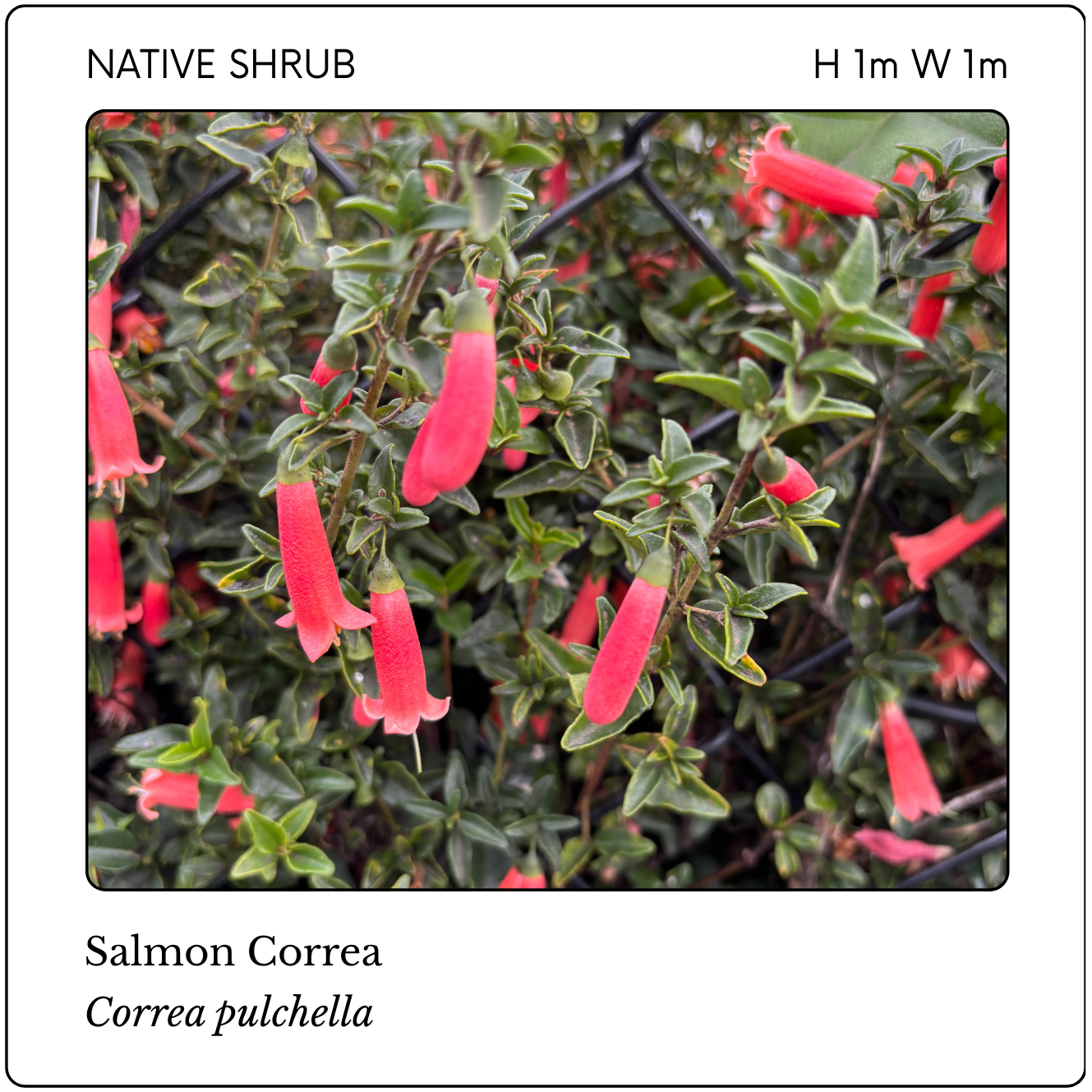
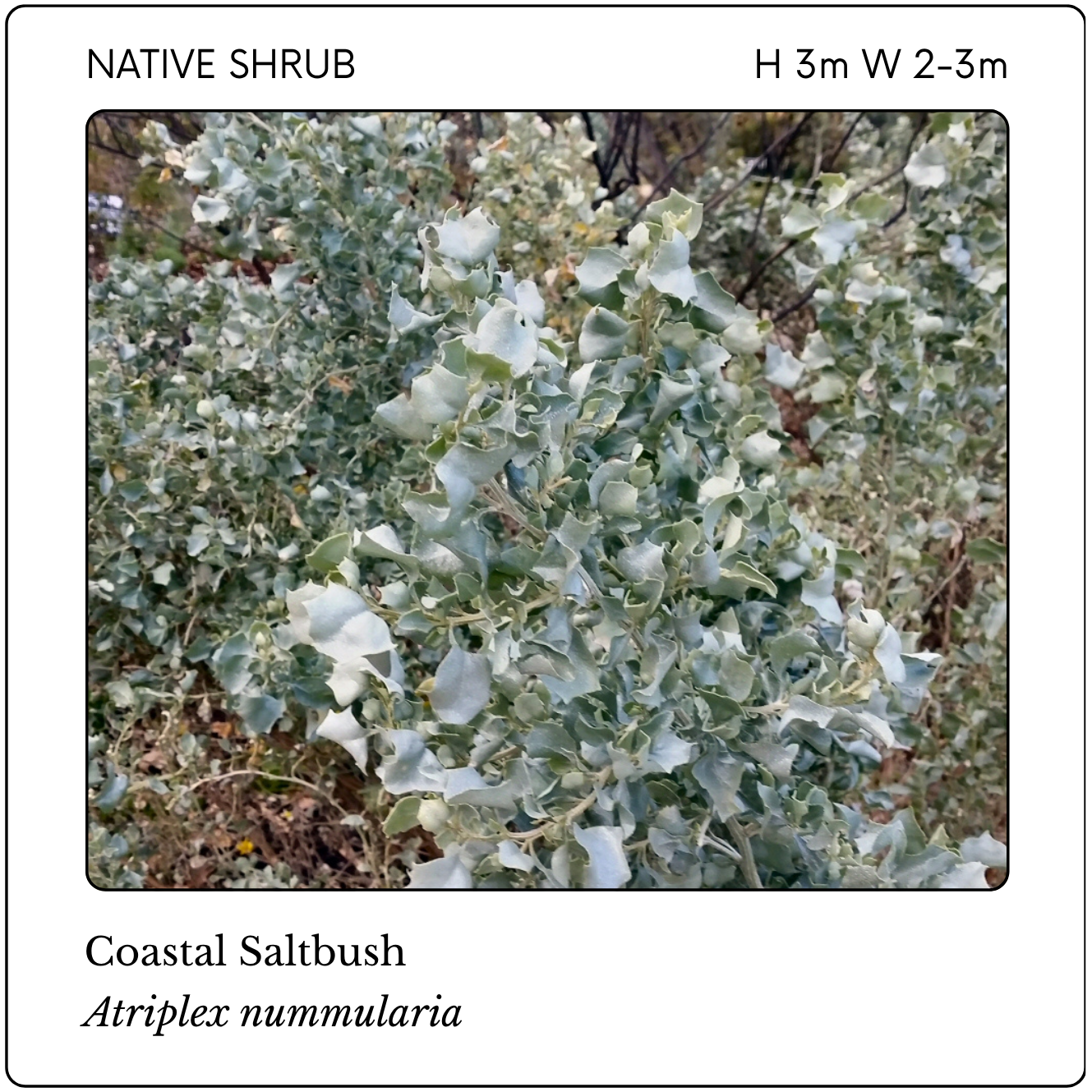
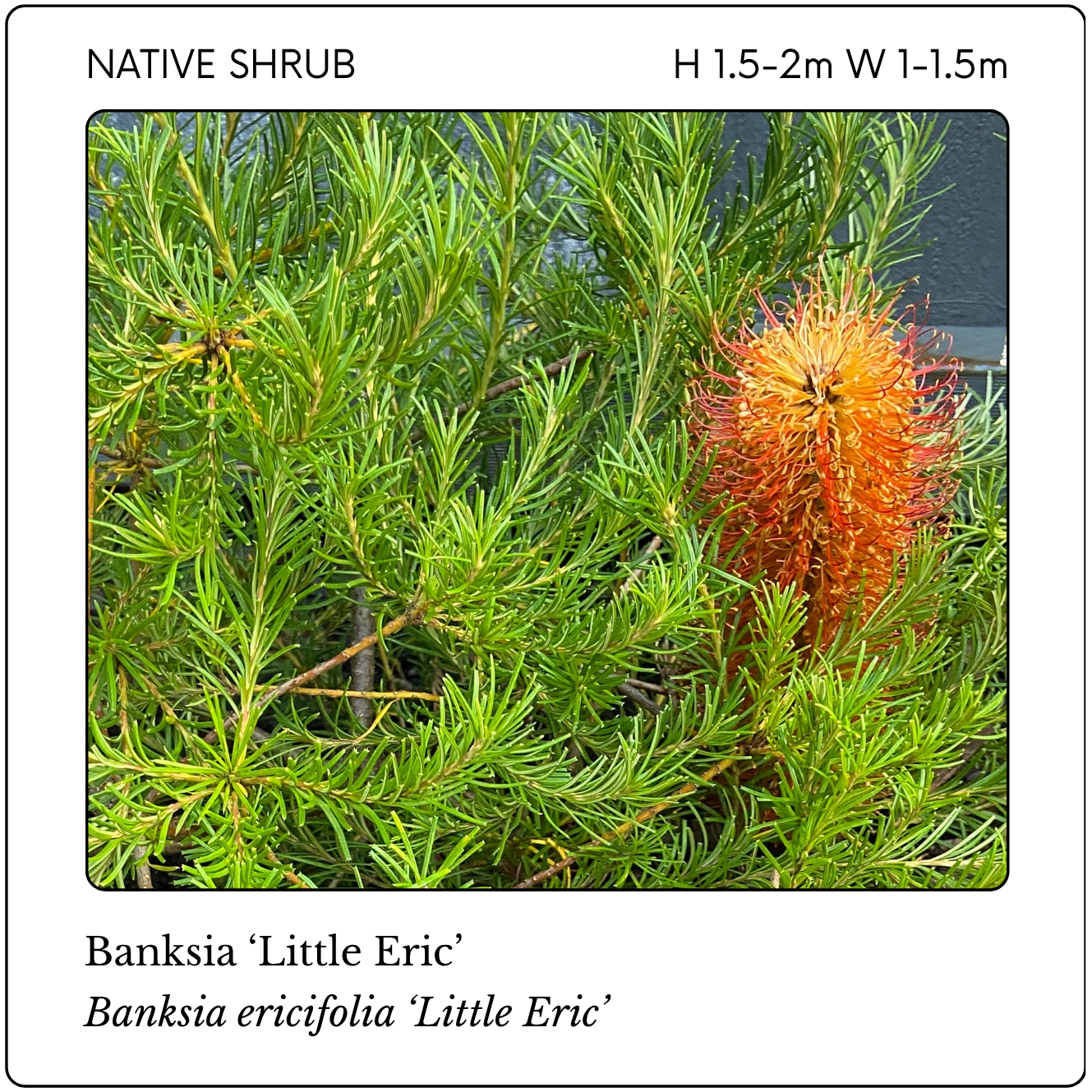
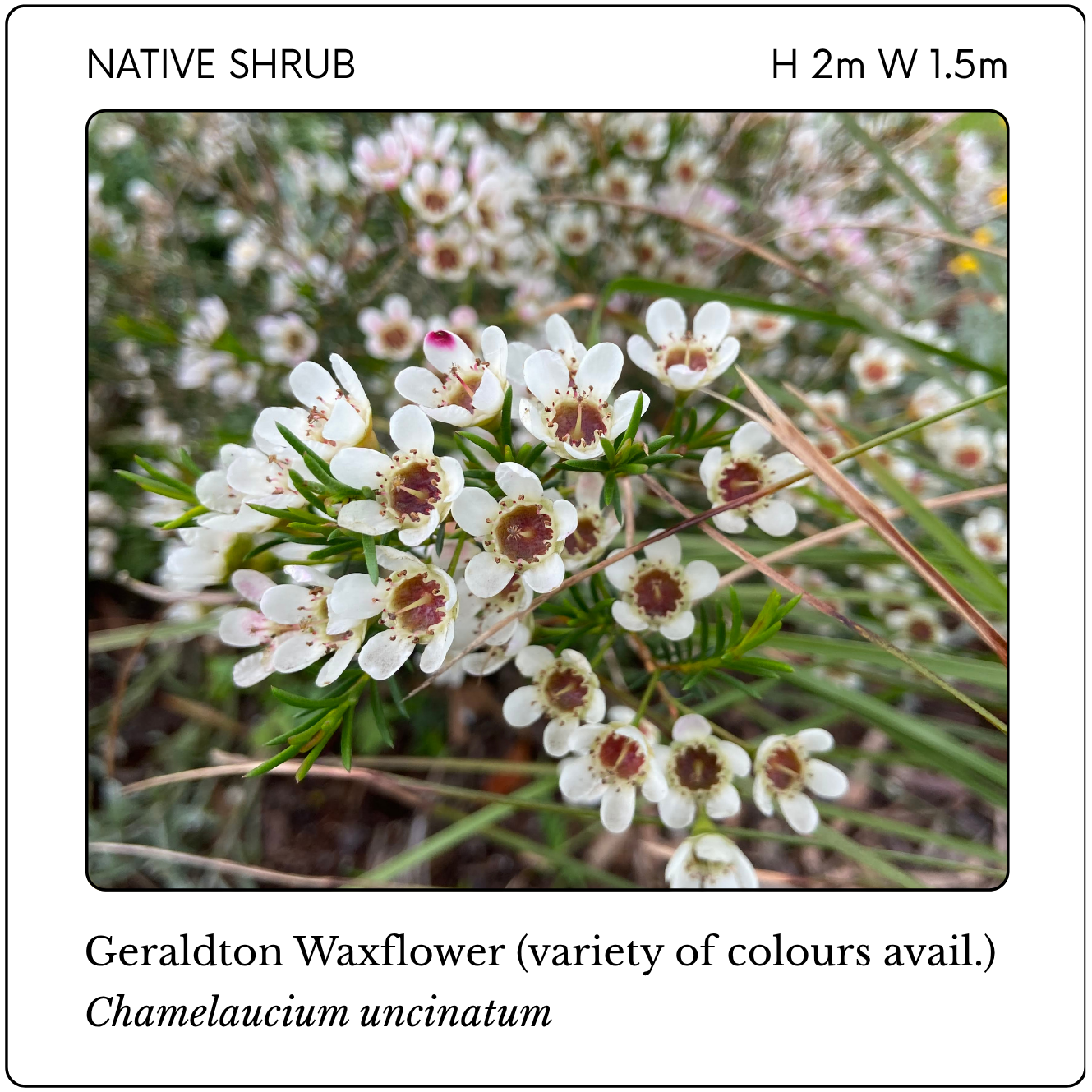
Mid-storey Plants
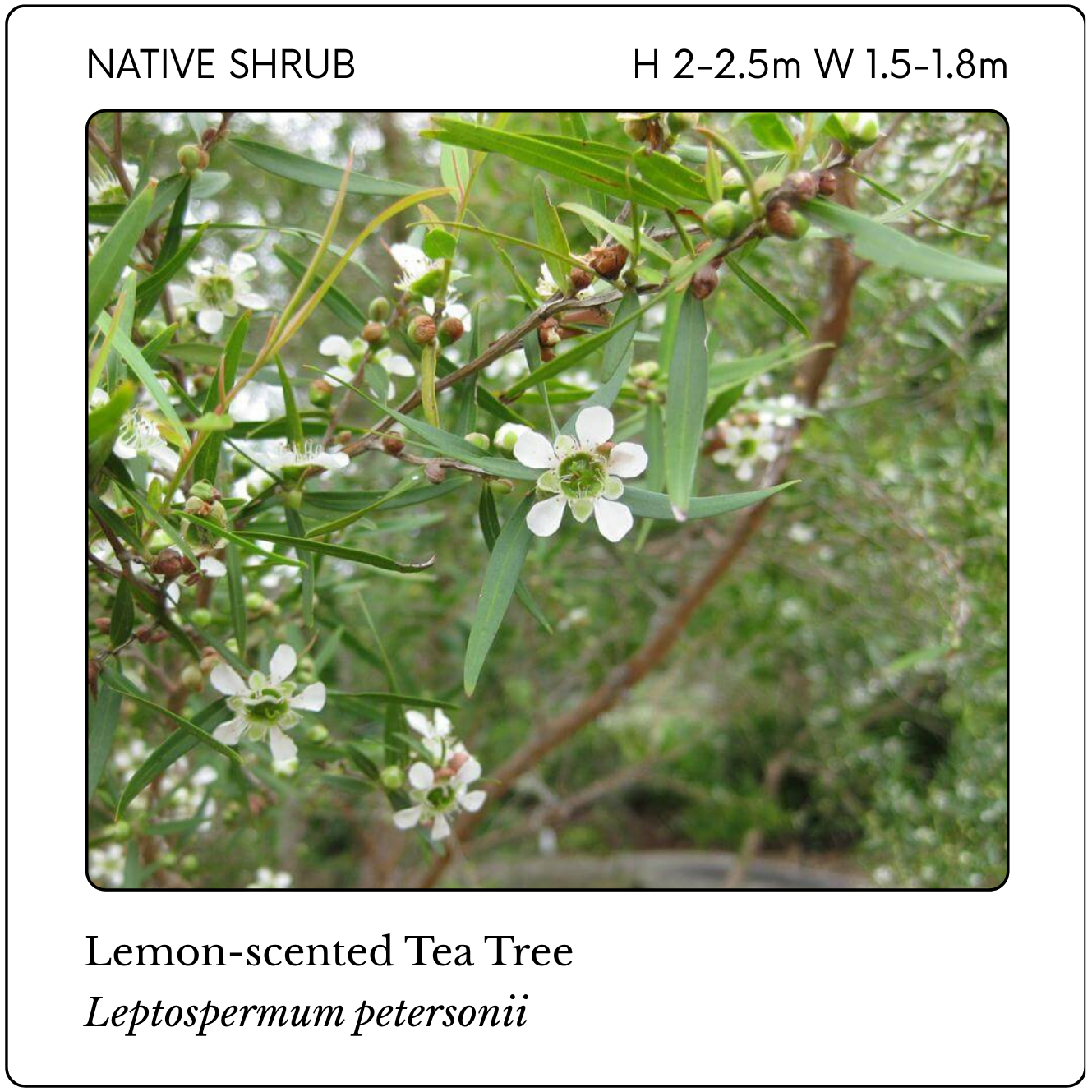
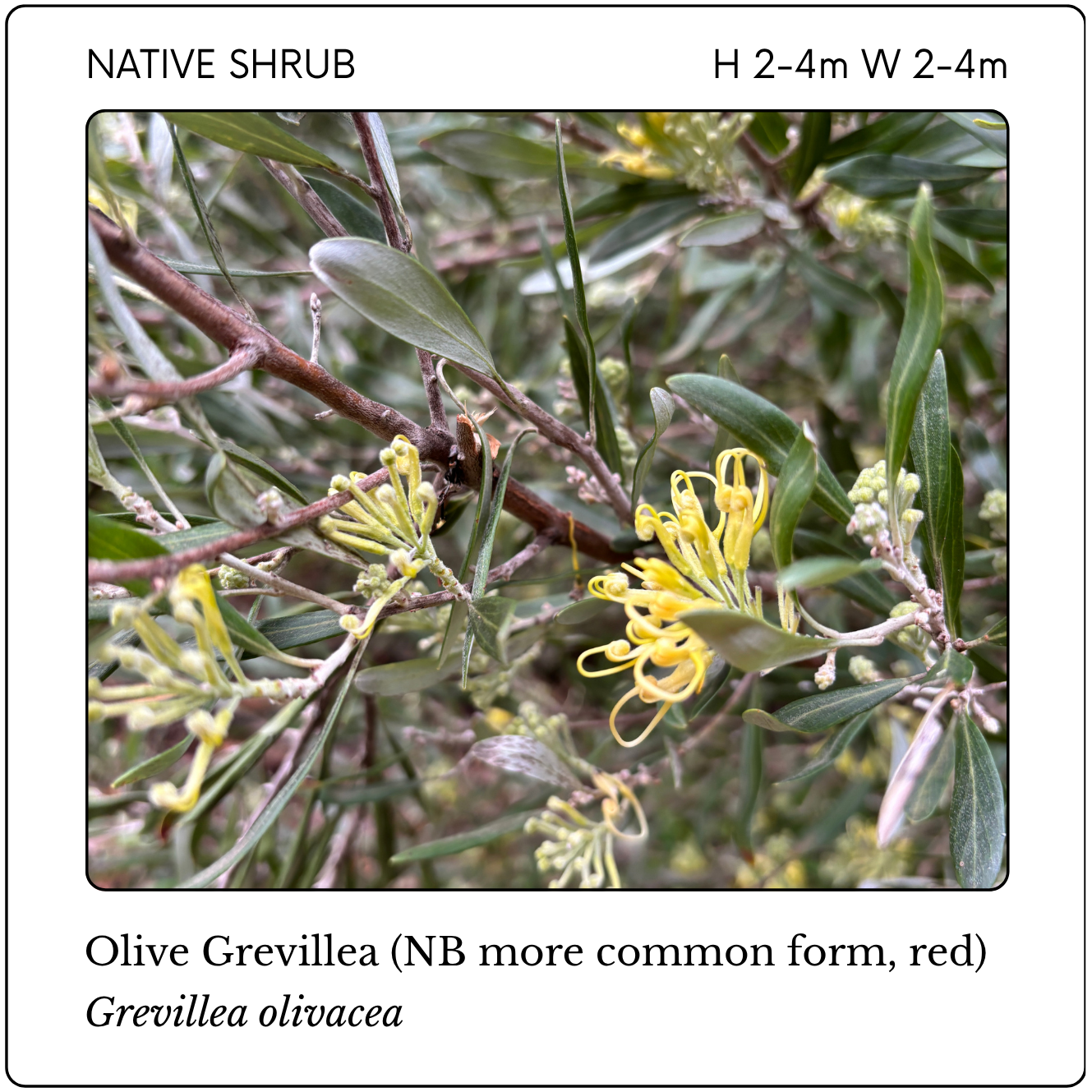
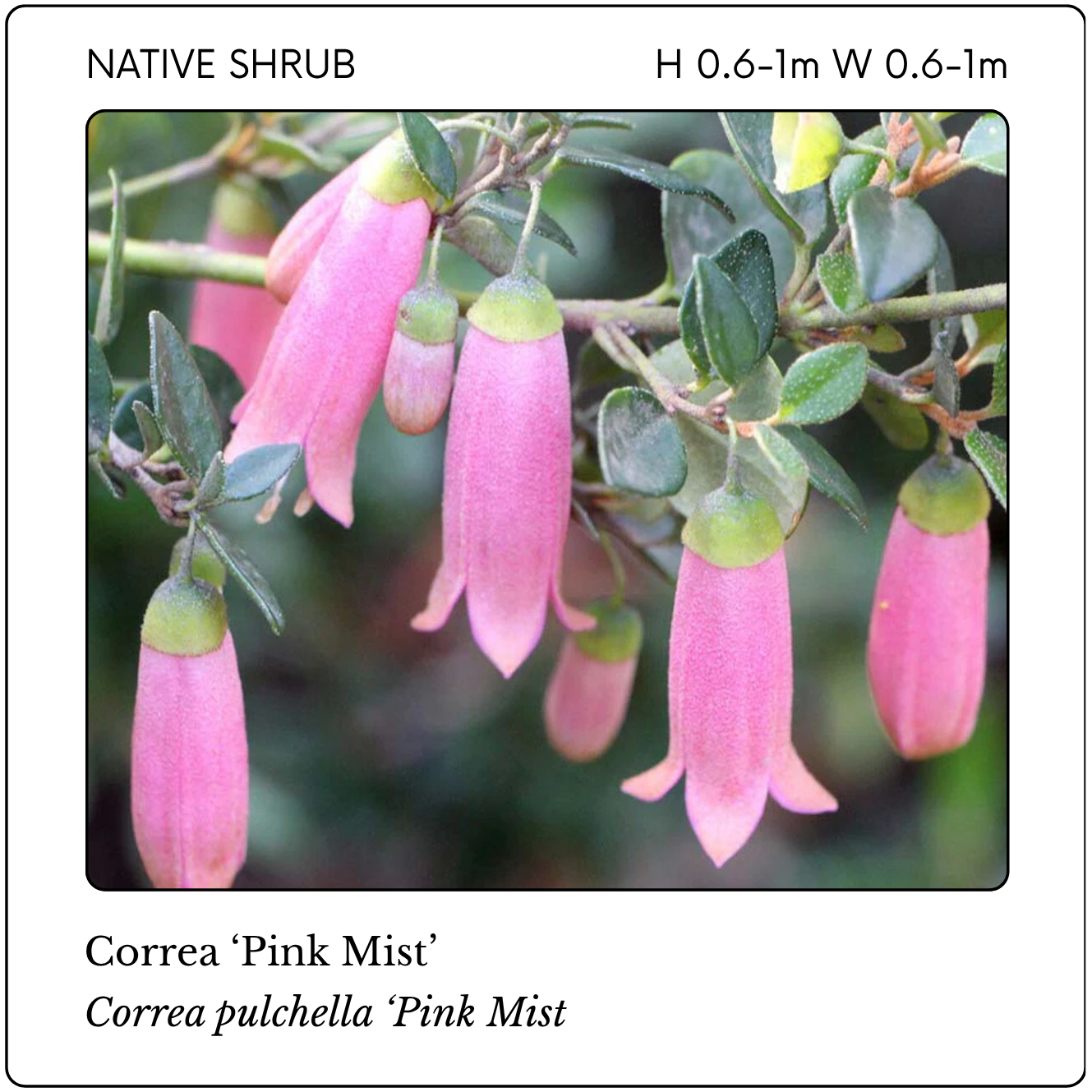
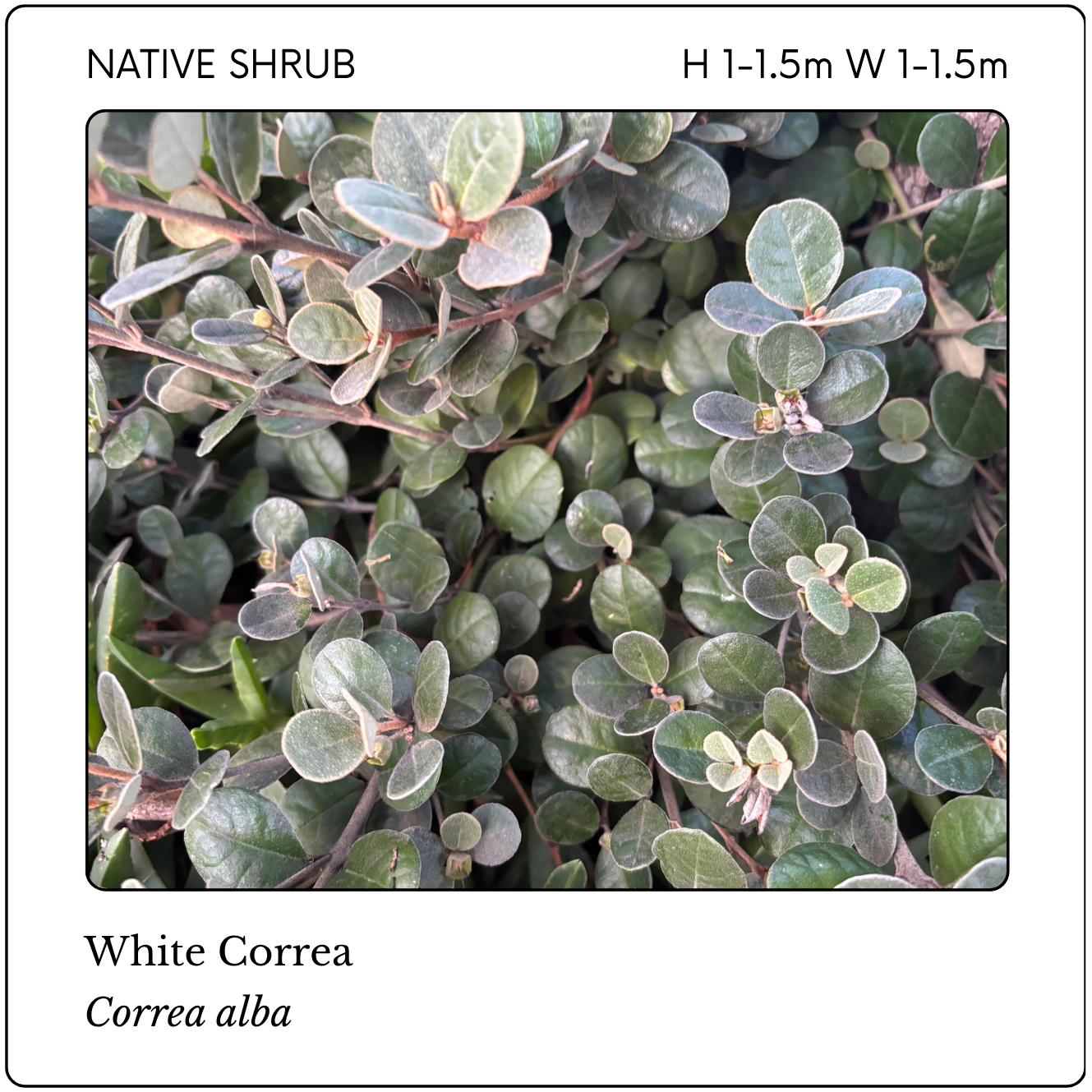
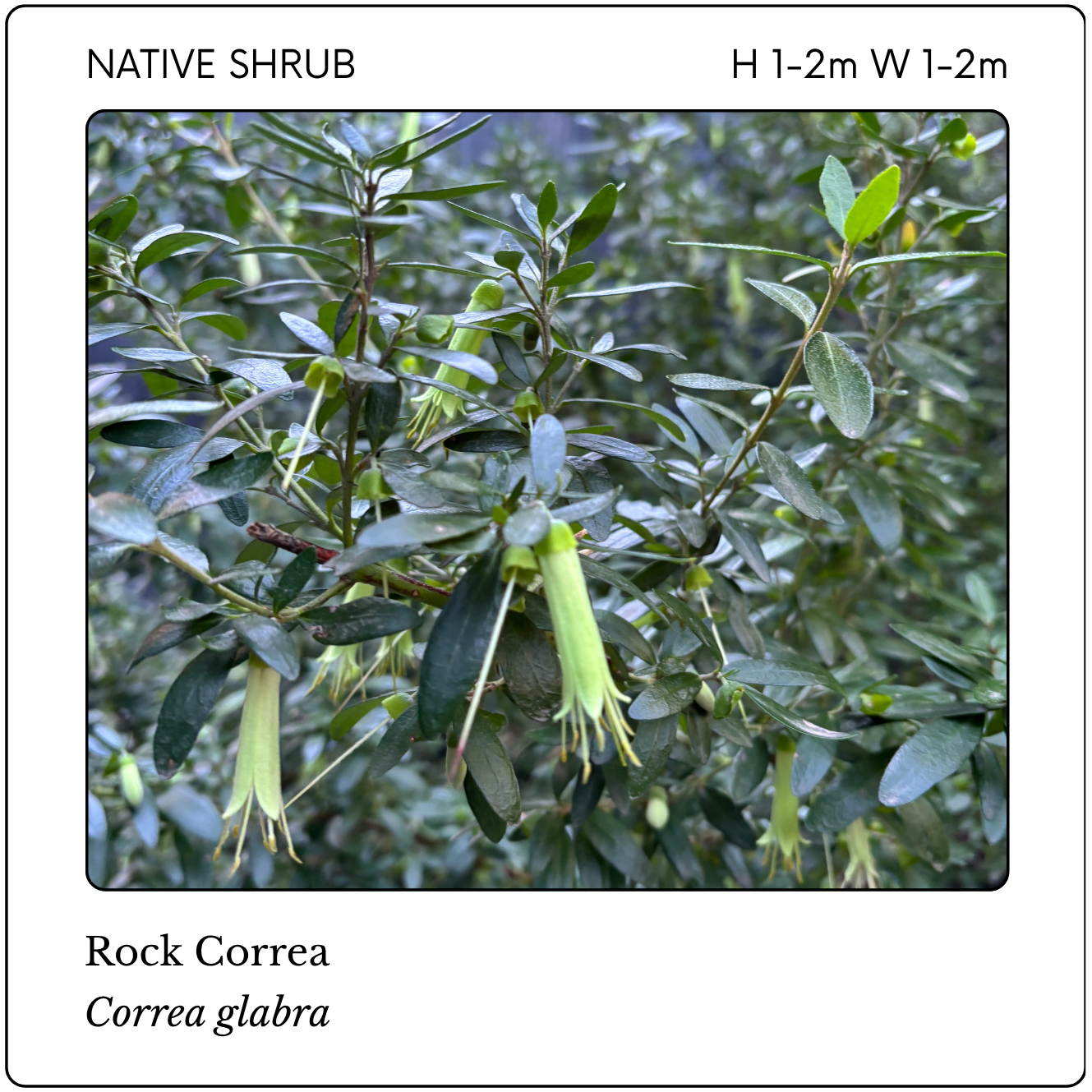
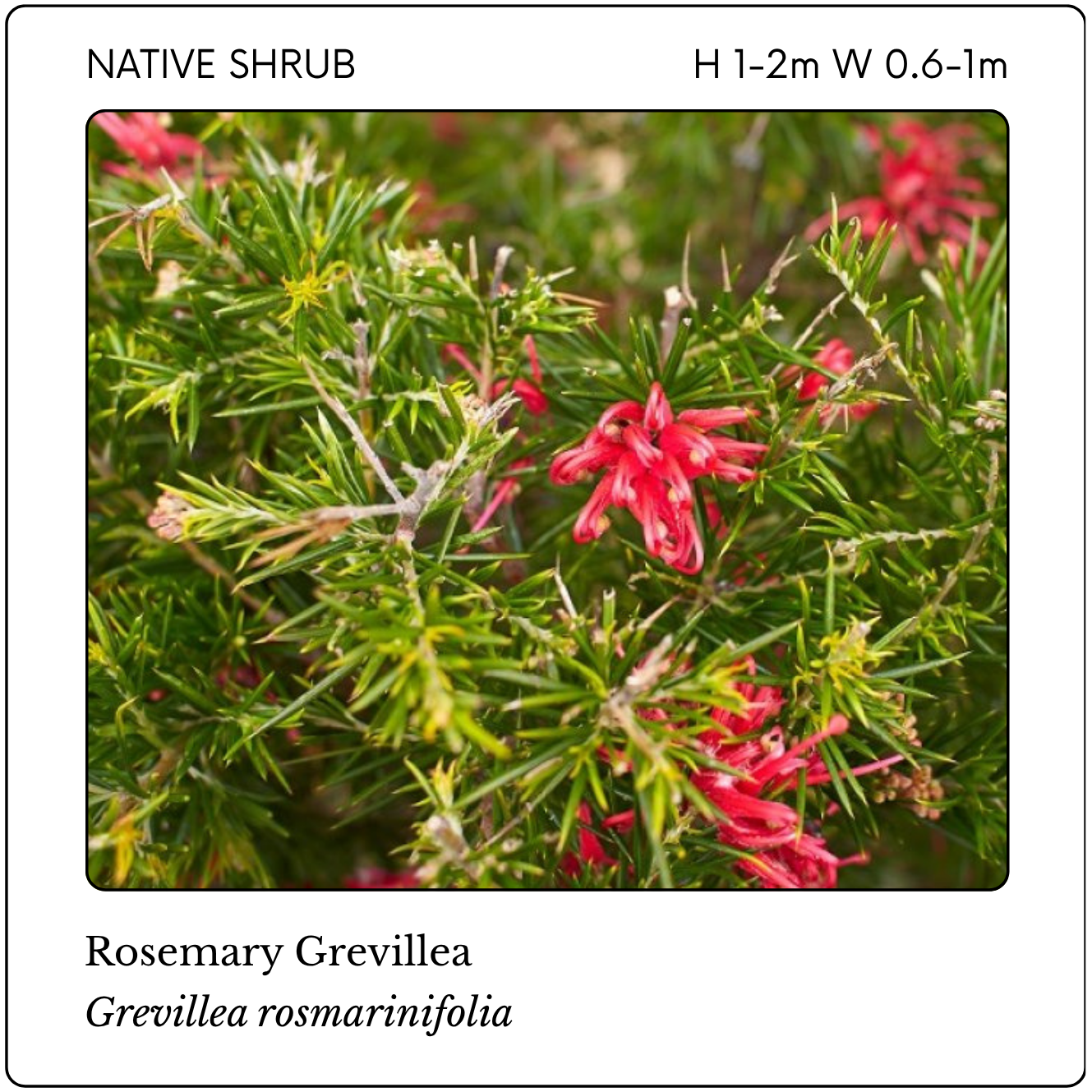
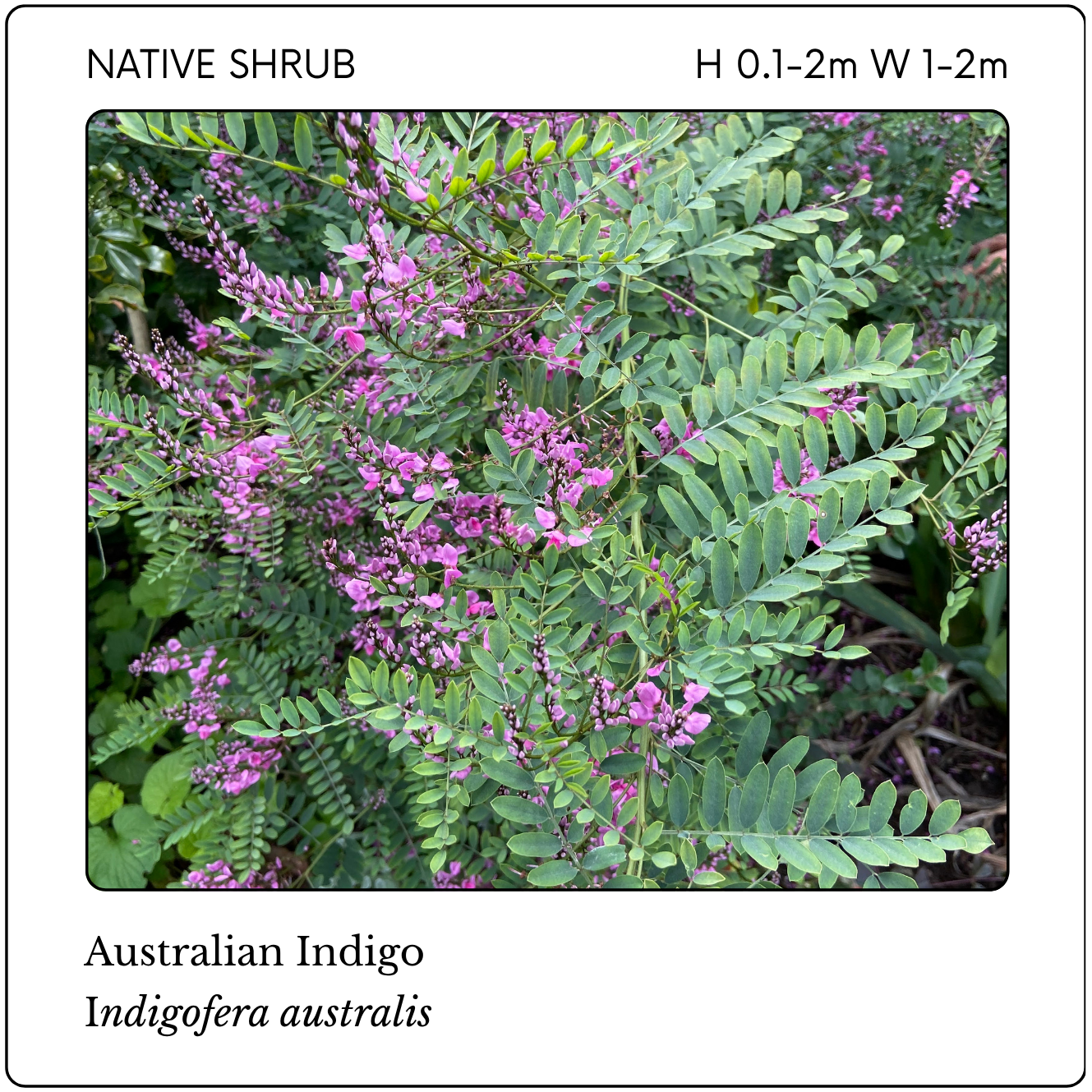
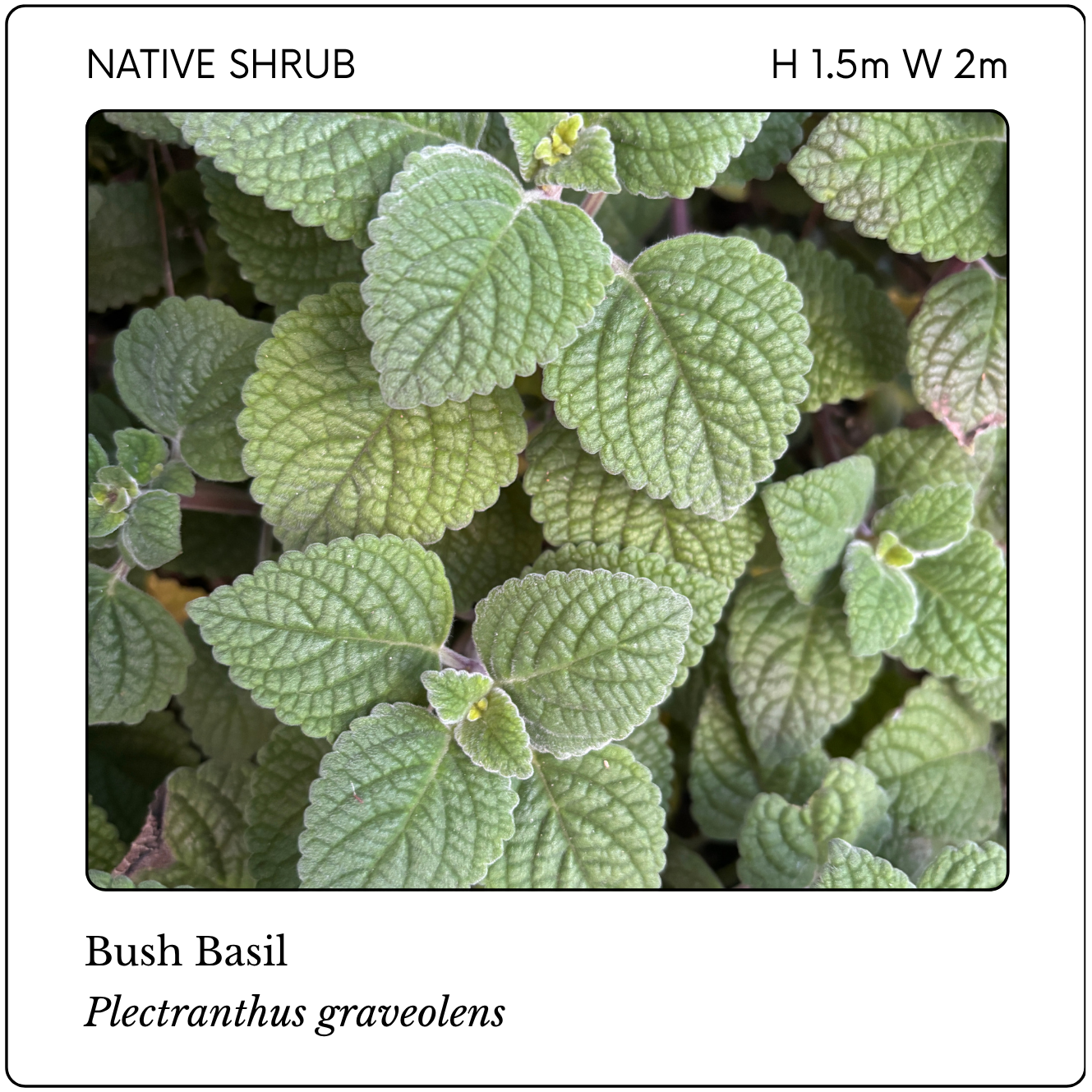
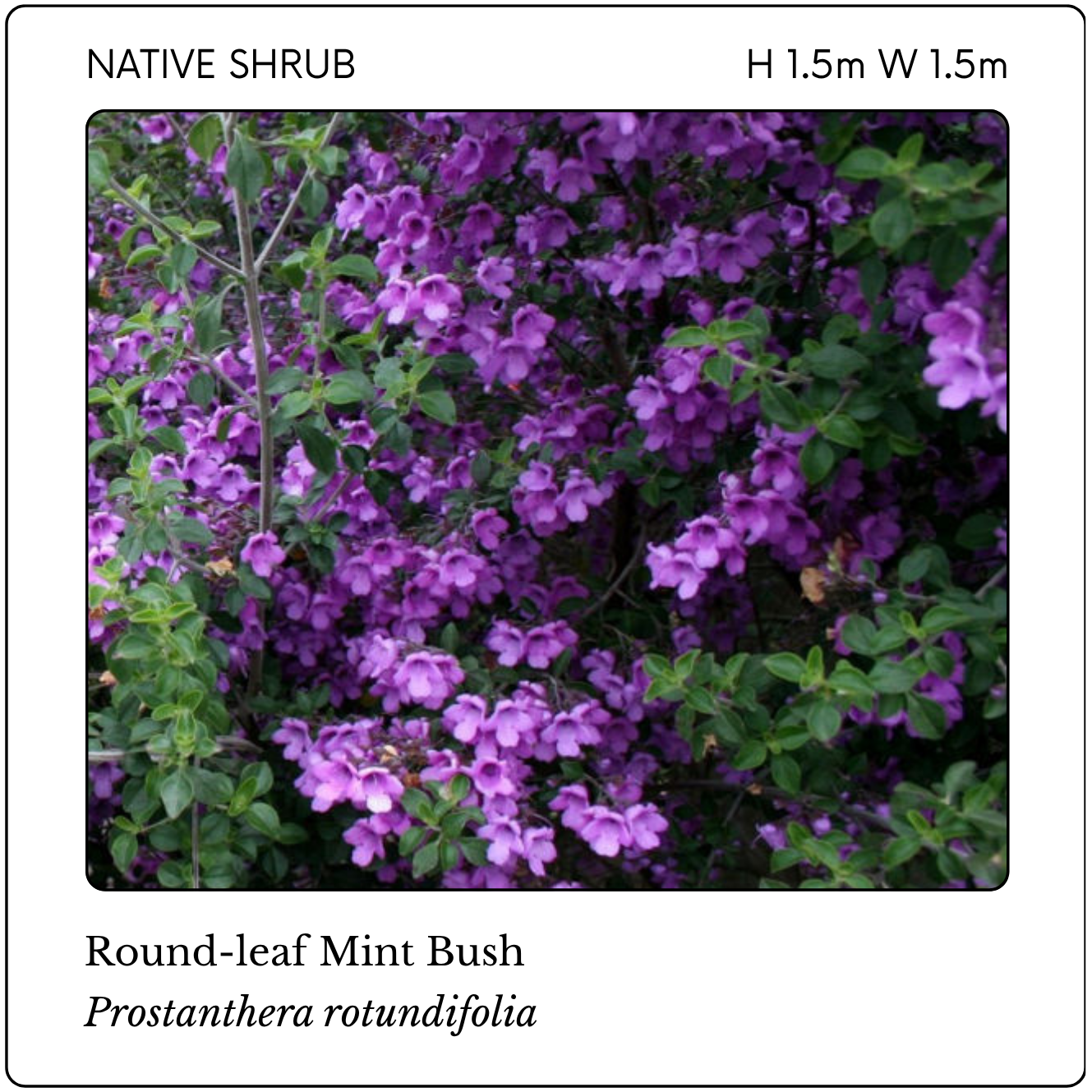
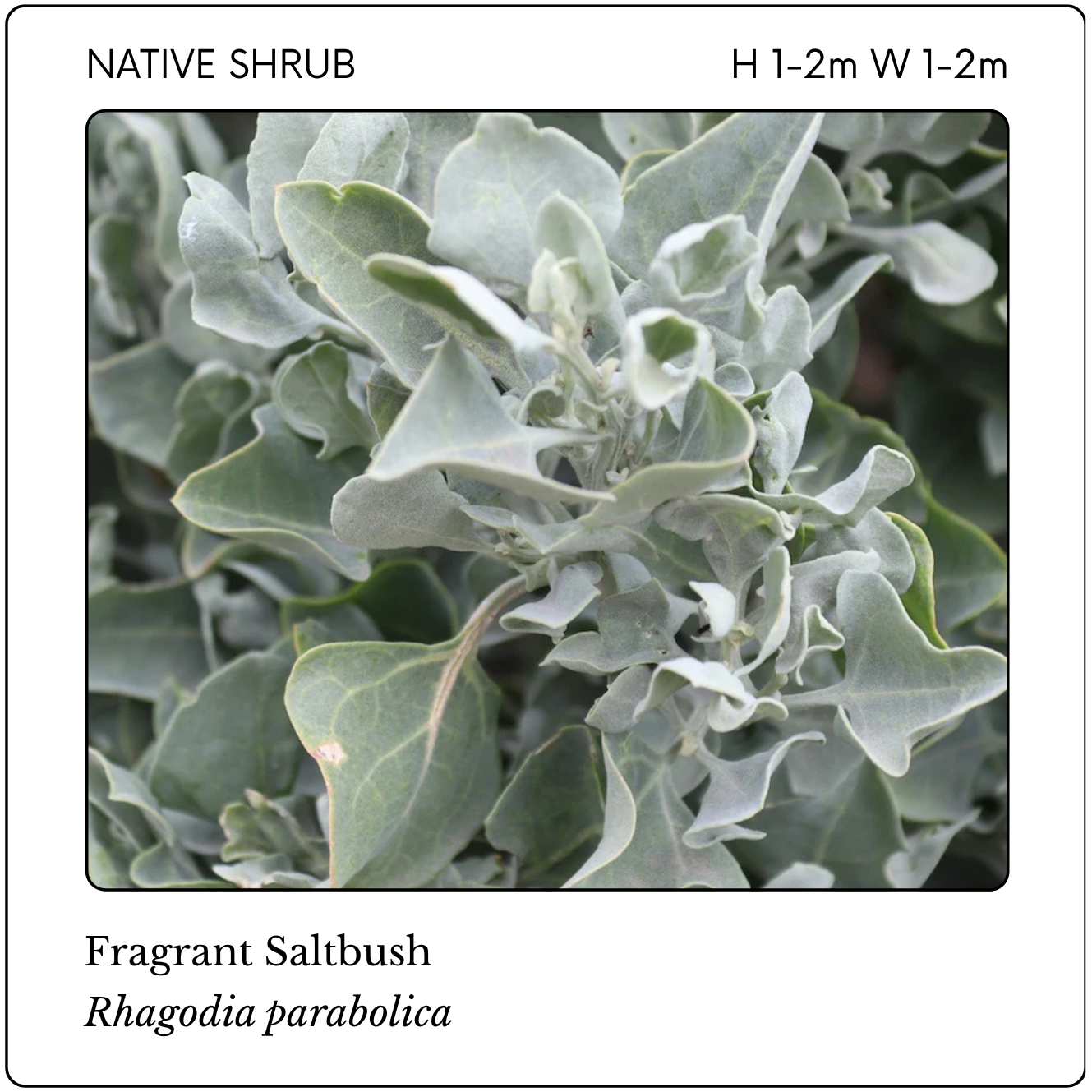
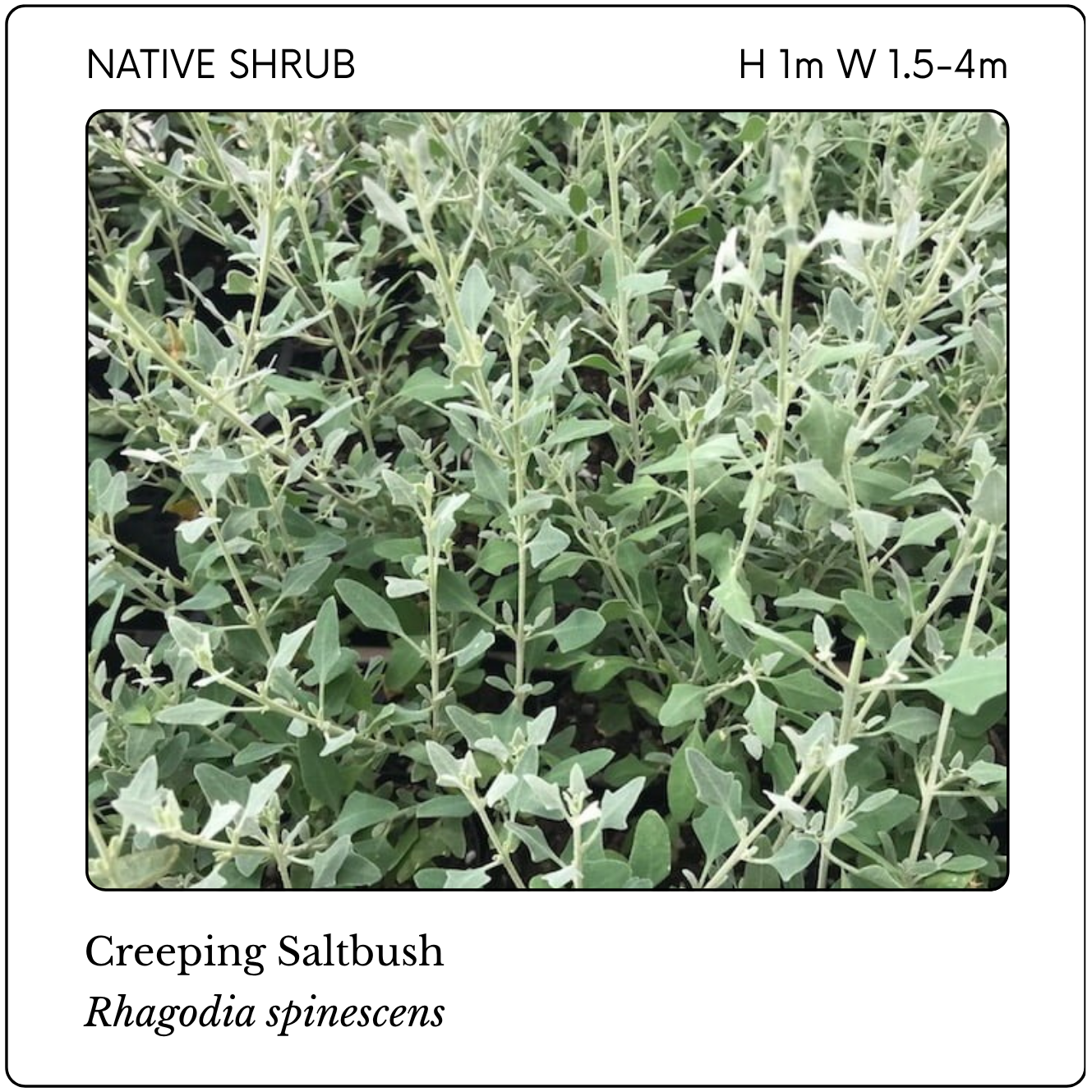
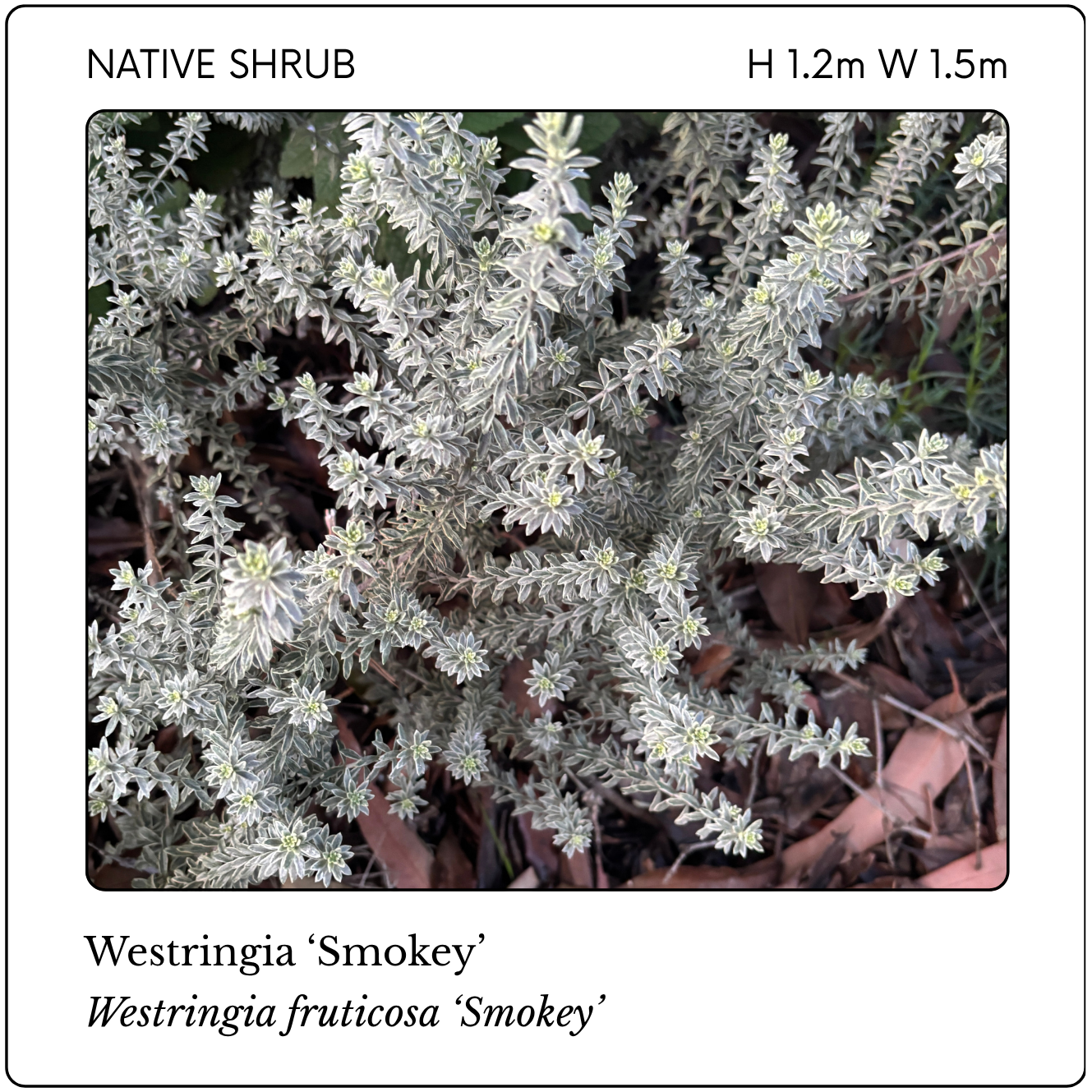
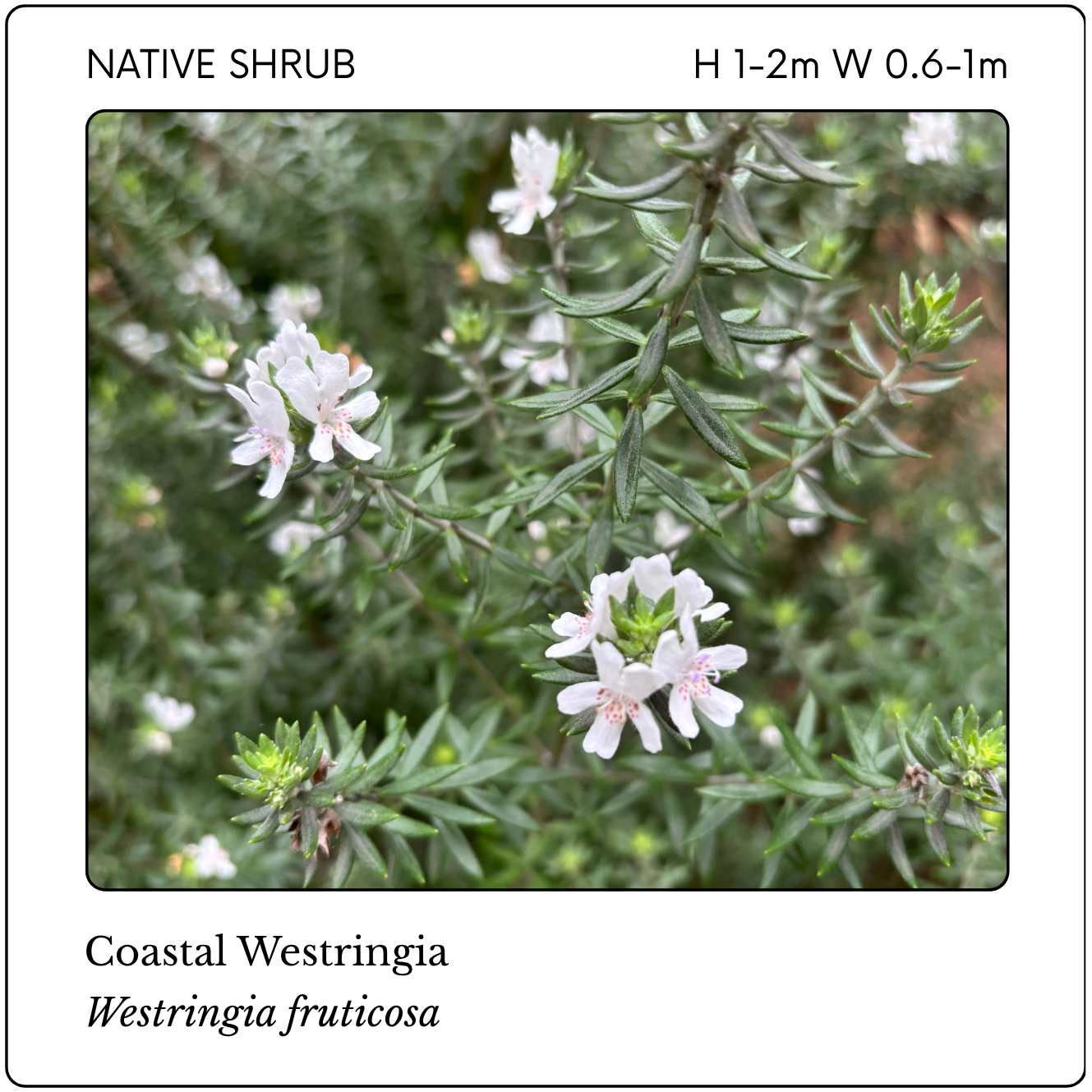
Shrubs (1-2m tall)
Shrubs provide important structure, shelter/habitat, and flowers in a wild garden.

Canopy-providing Plants
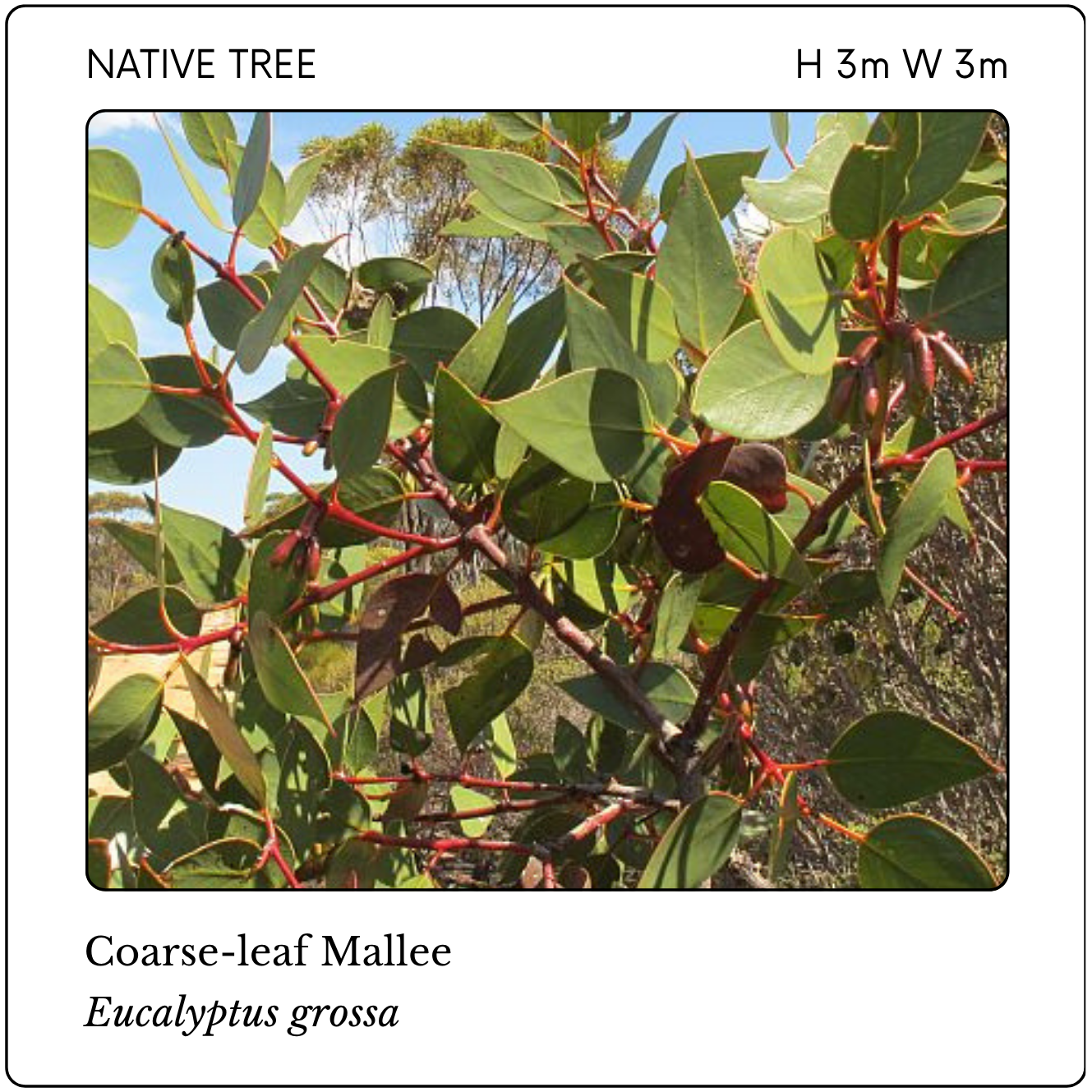
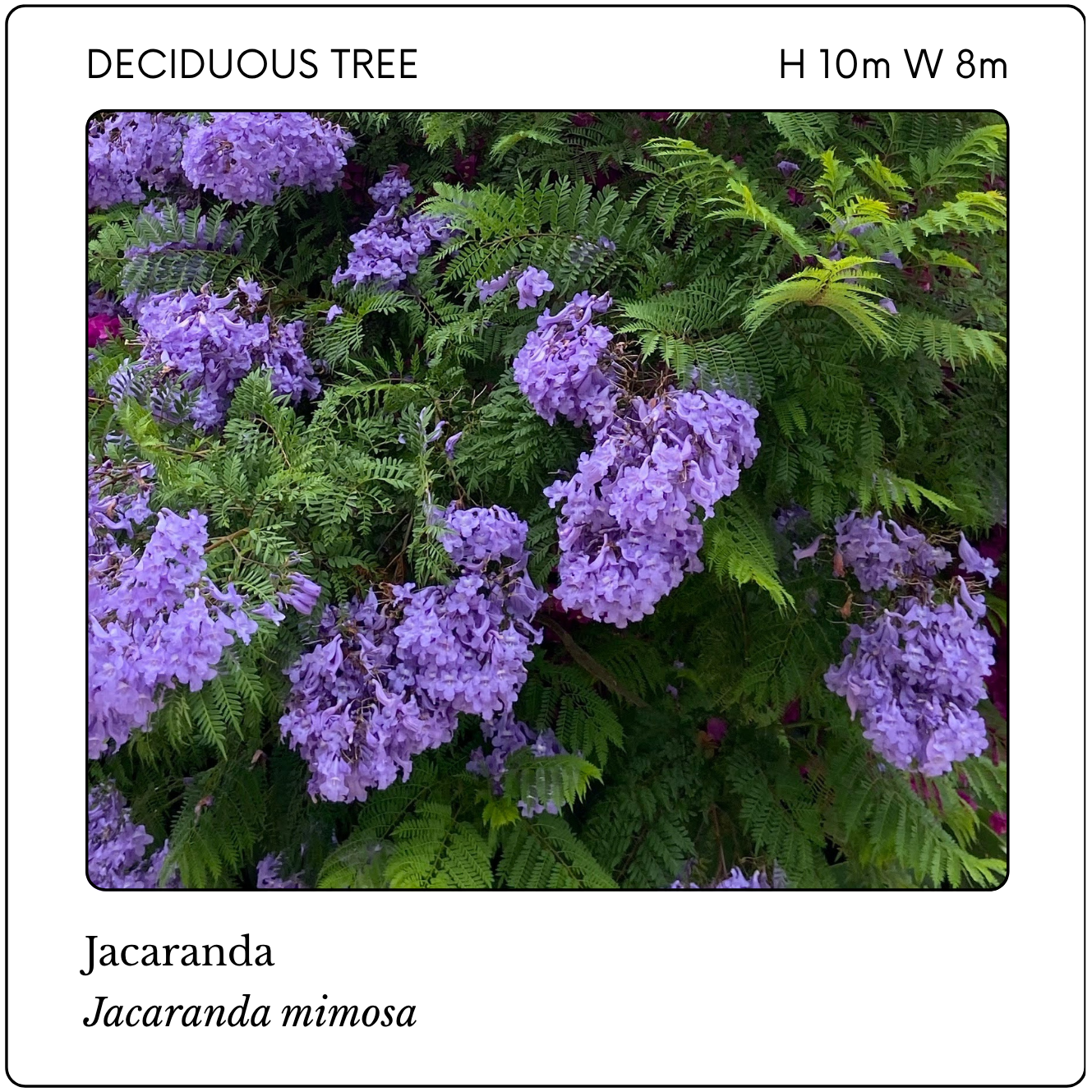
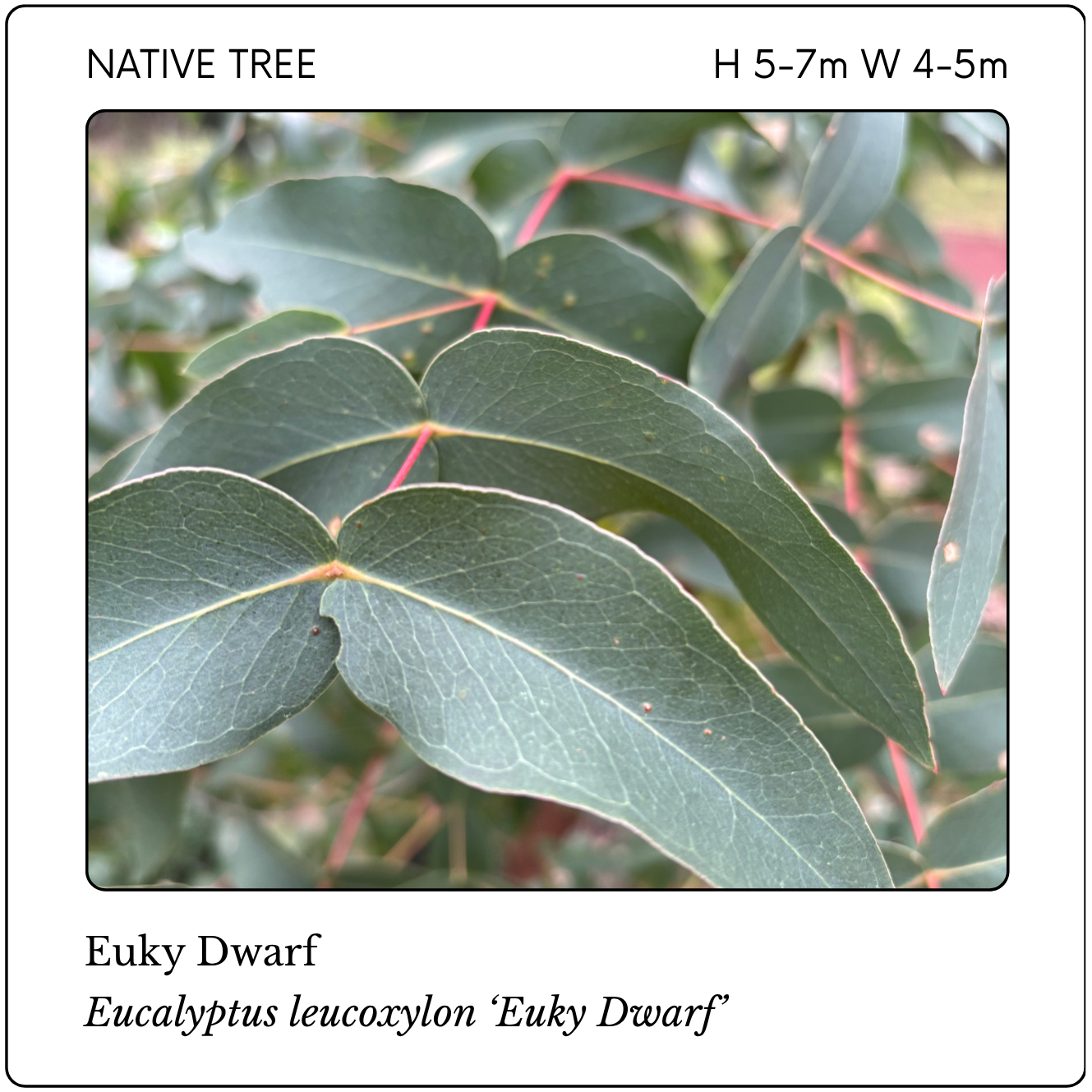
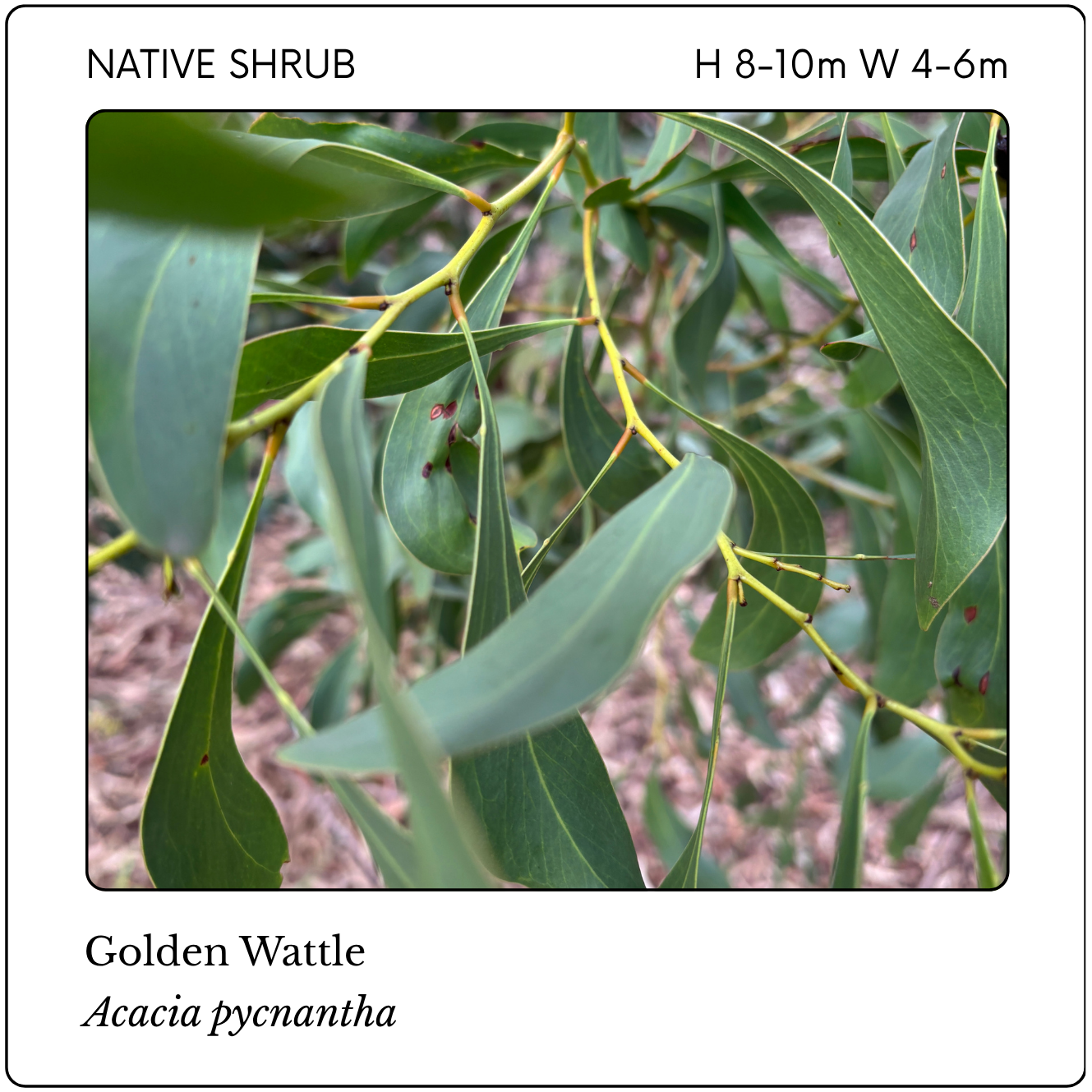
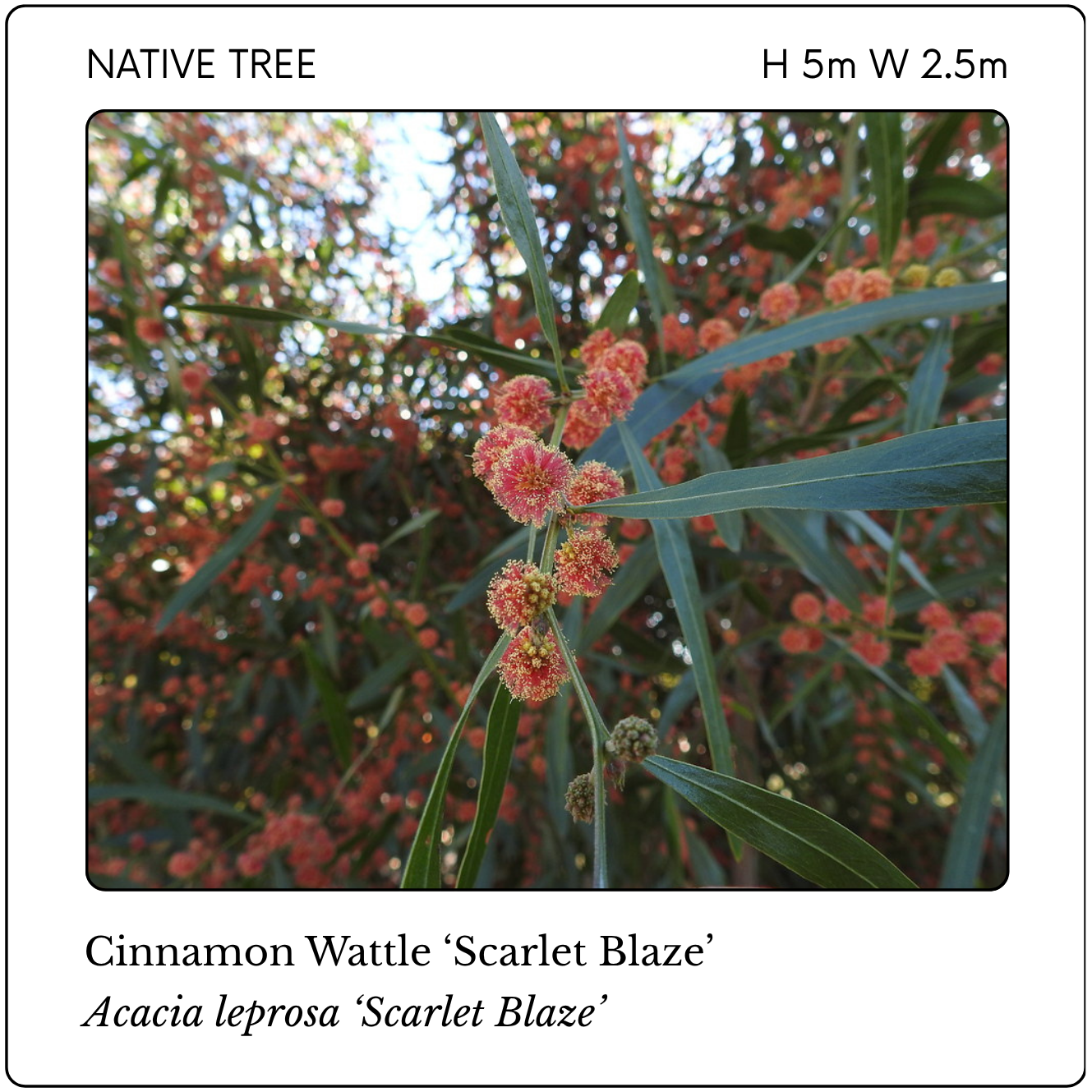
Tall Shrubs & Trees (>2m)
Tall shrubs & trees create shade - helping cool the garden & surrounding area - and provide habitat for birds and other wildlife. They also provide long-term structure and character in a wild garden.